

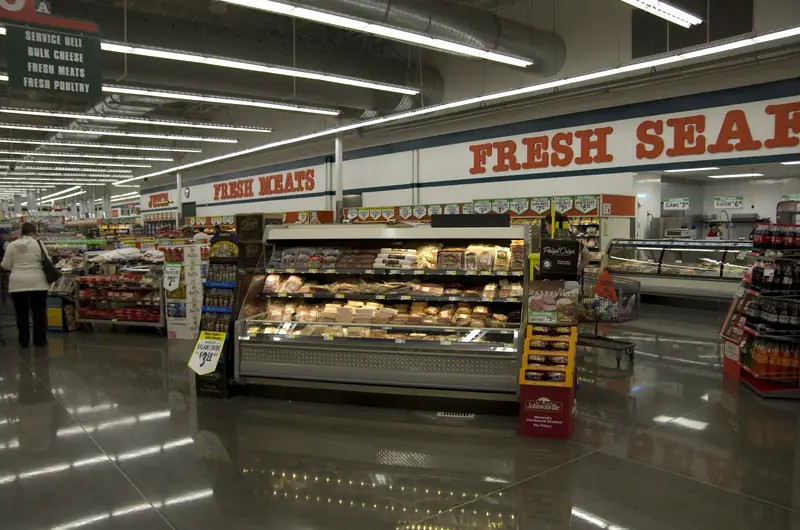
Shopping at warehouse stores like Costco and Sam’s Club seems like the smartest way to save money on groceries, right? Millions of people shell out membership fees every year thinking they’re getting the best deals possible. But what if there’s another warehouse store that offers the same low prices without charging you anything to walk through the door? WinCo Foods has been quietly operating in ten western states, offering prices that often beat both Costco and Sam’s Club. Most people outside the western United States have never heard of this place, but those who shop there swear they’ll never go back to paying membership fees again.
No membership fee means instant savings
The first thing you’ll notice about WinCo is that nobody asks you for a membership card at the entrance. While Costco charges between $65 and $130 per year for membership, and Sam’s Club asks for $50 to $110 annually, WinCo lets anyone walk in and start shopping immediately. That membership fee might not seem like much when you spread it over twelve months, but it adds up fast if you’re trying to stretch every dollar. For families already struggling with rising food costs, spending money just for the privilege of shopping somewhere doesn’t make sense anymore.
Think about what else you could do with that membership money. The basic Costco membership alone would buy you about 18 pounds of ground beef, or a week’s worth of groceries for a small family. When you’re not locked into an annual fee, you can shop at WinCo whenever you need something without feeling pressured to “make back” your membership cost. You’re not calculating whether each shopping trip justifies the upfront investment. This freedom changes how you approach grocery shopping entirely, letting you buy what you actually need instead of bulk items you might not use just to feel like you got your money’s worth.
They skip middlemen and buy directly
WinCo keeps prices low by cutting out the distribution companies that most grocery stores rely on. Instead of buying products from middlemen who mark up prices, they purchase directly from manufacturers and local farms. This might sound like something only huge corporations could manage, but WinCo has built relationships with suppliers over decades. When there’s one less company taking a cut of the profits, those savings go straight to the shelf prices you see. Every product that doesn’t pass through a distributor’s warehouse means a few cents or dollars less on your final receipt.
This direct purchasing approach works especially well for produce and meat. Local farms supply fresh items without the extra transportation and handling costs that come with traditional distribution networks. You’ll find the meat counter staffed with actual butchers, and the bakery produces fresh bread daily, just like at the bigger warehouse clubs. The difference is that you’re paying less for the same quality because the supply chain is shorter. It’s a simple concept that makes a real difference when you’re checking out with a full cart.
The bulk bins are absolutely massive
Walking into the bulk section at WinCo feels like discovering a secret that other grocery stores don’t want you to know about. Most locations have over 800 different products available in bulk bins, from basic flour and sugar to specialty grains and unusual spices you’d normally pay premium prices for at regular stores. You bring your own containers or use the bags provided, scoop out exactly how much you need, and pay by weight. No more buying a full bottle of an expensive spice you’ll only use once, or committing to a five-pound bag of quinoa when you just want to try it.
The bulk bins include way more than just baking supplies and grains. You’ll find candy, nuts, dried fruit, pasta in every shape imaginable, coffee beans, tea, granola, cereal, snack mixes, and even some cleaning products. Want to make your own trail mix? Grab a handful of almonds, some chocolate chips, dried cranberries, and cashews without buying separate packages of each. The per-unit cost on bulk items typically beats even warehouse club prices because you’re not paying for packaging, branding, or marketing. You’re just buying the actual product, which is exactly what you came for anyway.
You have to bag your own groceries
Here’s where WinCo asks you to pitch in a little: there are no baggers at the checkout lanes. After the cashier scans your items, you bag everything yourself at a counter area past the registers. Some people see this as an inconvenience, but it’s actually one of the main reasons WinCo can keep prices so low. When a store doesn’t have to pay employees to stand at every register and bag groceries, those labor costs don’t get passed on to customers. Plus, you get to bag things exactly how you want them—heavy items on bottom, bread and eggs on top, cold things together.
The self-bagging setup moves faster than you’d think once you get used to it. Bring your own reusable bags if you want, or grab free cardboard boxes that WinCo provides near the bagging area. Many shoppers actually prefer this system because you’re not waiting for a bagger to finish with the customer ahead of you, and you’re not stuck watching someone crush your chips under a gallon of milk. It takes maybe an extra two or three minutes to bag a full cart, which seems like a fair trade-off for the money you save on every single item in that cart.
Credit cards aren’t accepted here
This policy surprises first-time shoppers more than anything else about WinCo. The store doesn’t accept credit cards at all, only debit cards, cash, and EBT. Credit card companies charge merchants processing fees for every transaction, usually around 2-3% of the purchase total. On a $200 grocery bill, that’s $4 to $6 going to the credit card company instead of keeping prices low. By refusing credit cards entirely, WinCo avoids those fees and passes the savings to customers instead of to financial institutions.
If you’re someone who relies on credit card rewards points for groceries, this might seem like a dealbreaker at first. But do the math on what you actually get back in rewards versus what you save at WinCo compared to other stores. Most grocery rewards cards give you 1-3% back, which doesn’t come close to the 10-30% lower prices you’ll find on many items at WinCo Foods. Bring your debit card or stop at the ATM on your way, and you’ll still come out way ahead financially. It’s a small adjustment that makes a big difference in the store’s ability to compete on price.
Employees actually own the company
Since 1985, WinCo has operated as an employee-owned company through an Employee Stock Ownership Plan. Every worker who meets basic requirements—turning 19 years old, working 500 hours in their first six months, and logging 1,000 hours each year after that—becomes a part owner of the company. This isn’t just some feel-good corporate policy that doesn’t mean anything in practice. The stock value has grown at about 18% per year since the program started, which means employees build real wealth just by showing up and doing their jobs.
The numbers tell an incredible story about what employee ownership can do. Stock worth $5,000 in 1986 would be valued at almost $863,000 today. That’s not a typo. Workers who stick with WinCo for their careers retire with serious money in their accounts, not the poverty-level retirement that’s become common for retail workers elsewhere. When you shop at WinCo, your money supports a system that actually rewards the people doing the work instead of just enriching distant shareholders and executives who never set foot in a store.
Most locations never close
Need groceries at 2 a.m. on a Tuesday? WinCo probably has you covered. Most locations operate 24 hours a day, seven days a week, with only three exceptions throughout the entire year: Thanksgiving, Christmas Eve, and Christmas Day. This round-the-clock schedule is incredibly convenient for people who work non-traditional hours, parents who prefer shopping after kids go to bed, or anyone who just wants to avoid the weekend crowds. Try finding a Costco open at midnight when you suddenly need supplies for tomorrow’s early morning event.
The always-open policy means WinCo is available when other warehouse stores have locked their doors for the night. Costco closes for major holidays like Memorial Day and Labor Day, but WinCo keeps the lights on and the registers running. Shopping at 3 a.m. also comes with some unexpected benefits—the store is nearly empty, shelves are fully stocked, and you can take your time without navigating around other carts. Night shift workers especially appreciate having a full-service grocery store available when they get off work, instead of being limited to convenience stores with limited selection and inflated prices.
They don’t spend money on advertising
When was the last time you saw a WinCo commercial on TV or an ad in your social media feed? Probably never, because the company doesn’t invest in traditional marketing and advertising. Every dollar that other grocery chains spend on commercials, billboards, newspaper inserts, and sponsored posts is money that eventually comes out of shoppers’ pockets through higher prices. WinCo relies on word-of-mouth recommendations and the simple fact that their prices speak for themselves. Once people try shopping there, they tell their friends and family, and that’s how the customer base grows.
Instead of flashy sales promotions and loyalty programs that require downloading apps and clipping digital coupons, WinCo keeps things straightforward. Look for green price tags in the aisles to find special deals. The website offers digital coupons if you register for an account, but you’re not bombarded with marketing emails or pressured to join some rewards program that tracks your every purchase. The no-frills approach extends to how the stores look too—clean and functional rather than decorated and designed to make you wander around longer than necessary. Everything about the operation is designed to keep costs down and prices low.
You can only shop there in ten states
The biggest catch with WinCo is that you might not have one anywhere near you. The chain operates only in ten states, mostly in the western United States: Washington, Idaho, Nevada, California, Oregon, Utah, Arizona, Texas, Oklahoma, and Montana. If you live on the East Coast, in the Midwest, or in the South beyond Texas and Oklahoma, you’re out of luck for now. This limited footprint is why so many Americans have never heard of WinCo despite it being a genuinely better deal than the warehouse clubs that have locations nationwide.
The company has been slowly expanding over the years, but growth is cautious and deliberate rather than aggressive. Trader Joe’s faces similar regional limitations and creates the same kind of devoted following in areas where it operates. People who’ve moved away from WinCo’s territory genuinely miss having access to the store and complain about how much more they pay for groceries in their new locations. If you happen to live in one of those ten lucky states, you’ve got a shopping option that most of the country would love to have. And if you’re planning a move to the western states, having a WinCo nearby is definitely a point in favor of the location.
Finding cheaper groceries doesn’t have to mean paying membership fees or buying more than you need. WinCo proves that warehouse-style savings are possible without the warehouse club business model. The stores aren’t fancy, and you’ll bag your own groceries, but those minor trade-offs mean significantly lower prices on everything from produce to pasta. Next time someone suggests splitting a Costco membership to make it more affordable, maybe suggest checking out WinCo instead. Your wallet will thank you, and you won’t be locked into an annual fee for a store you might not even visit that often.

