

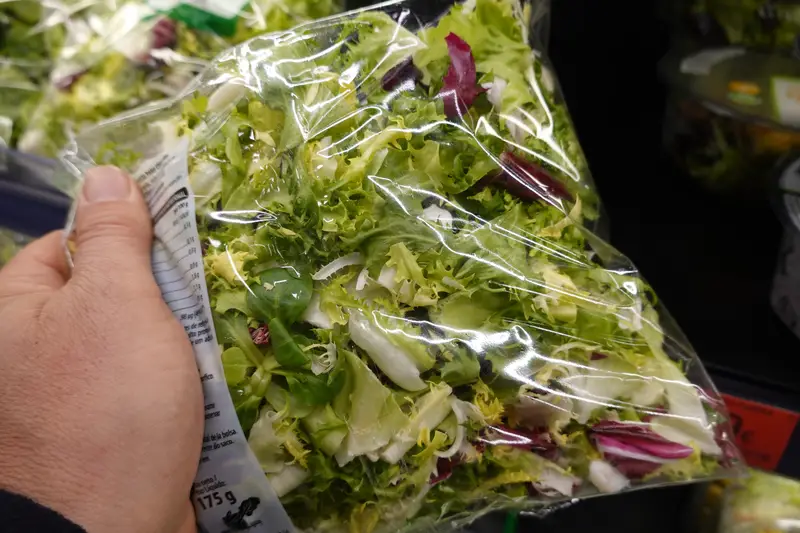
We’ve all been there. You buy a bag of salad greens with the best intentions. A week later, you find a sad, soggy mess hiding in your fridge. It feels like such a waste of money and good food. The truth is, those pre-packaged greens can last much longer than most people think. You just need to know a few simple tricks that make all the difference. Ready to stop throwing away wilted lettuce every single week?
Don’t open the bag until you’re ready
One popular idea floating around online suggests opening your bagged salad right away. The theory says you should mix everything around and let out any gases building up inside. It sounds smart, right? But here’s the thing. Food experts actually recommend the opposite approach. Those salad bags aren’t just random plastic packaging. Manufacturers design them specifically to help your greens stay fresh longer. Opening them early defeats the whole purpose.
The packaging on bagged salads uses special technology to control the environment inside. According to food safety experts, opening the bag too soon can actually expose your greens to bacteria and mold in your kitchen air. Your lettuce is essentially a living thing that breathes in oxygen and releases carbon dioxide. The original bag helps manage this process. So resist the urge to peek inside until you’re actually sitting down for a meal.
Ethylene gas isn’t the real problem here
You might have heard that ethylene gas makes produce go bad faster. This is true for many fruits and vegetables. Some people think opening salad bags releases this gas and helps greens last longer. But there’s a catch most folks don’t know about. Leafy greens don’t actually produce much ethylene gas at all. They’re not the source of the problem. They’re actually the victims of it. Understanding this changes how you should store your salads.
While your salad greens don’t give off much ethylene, they’re very sensitive to produce that does. Bananas, apples, tomatoes, and avocados all release this ripening gas. When you store your salad bag next to these items, your greens wilt much faster. So the real trick isn’t about opening your salad bag early. It’s about keeping your salads far away from those gas-producing fruits and vegetables in your fridge.
Keep your greens away from certain produce
Think about what’s sitting next to your bagged salad right now. Is there a bunch of bananas nearby? Maybe some apples or a ripe avocado waiting to be used? These common fridge residents could be secretly sabotaging your salad. The ethylene gas they release spreads through the air inside your refrigerator. Even a small amount can speed up the wilting process for your delicate lettuce and spinach leaves.
The solution is simple. Create some distance between your salads and ethylene-producing foods. If possible, store them in different drawers or on different shelves. Some people even keep their bananas on the counter to avoid this issue entirely. Tomatoes can also stay out of the fridge until they’re cut. Making these small changes in where you put things can add several days to your salad’s lifespan. It’s such an easy fix once you know about it.
Moisture is your salad’s worst enemy
Have you ever noticed how slimy leaves start appearing in your salad bag? That gross feeling is excess moisture doing its damage. Water droplets sitting on lettuce leaves create the perfect environment for rot and decay. This is probably the biggest reason why bagged salads go bad so quickly. The leaves get wet, then they get soft, then they turn into that brown mush nobody wants to eat.
Too much moisture causes leafy greens to turn soft and rot faster than anything else. When you first bring salad home from the store, check if there’s visible condensation inside the bag. If you see lots of water droplets, that bag might already be on its way to spoiling. Try to choose bags that look dry inside when shopping. This small step at the grocery store sets you up for success at home.
The paper towel trick actually works
Here’s one of the best-kept secrets for keeping salads fresh. Paper towels are your new best friend. Once you’ve opened your bag of greens, toss a paper towel inside before sealing it back up. The towel absorbs excess moisture that would otherwise make your leaves soggy. You can also wrap the greens loosely in paper towels before putting them in a container. This simple trick can extend freshness by several days.
When you transfer salad to a storage container, line the bottom with a paper towel first. Add your greens on top, then place another towel over them. Close the lid and store it in your fridge. Check the towels every couple of days. If they feel damp, replace them with fresh dry ones. This might seem like extra work, but it really does make a difference. Your greens stay crisp and crunchy instead of turning into a sad wet mess.
Airtight containers beat bags after opening
Once you’ve opened that original bag, everything changes. The special atmosphere inside is gone, and regular air has rushed in. At this point, you have some choices to make. You can squeeze out the extra air and clip the bag shut. Or you can transfer your greens to an airtight container. Many people find that containers work better for keeping leftover salad fresh after that first serving.
A good container does more than just seal in freshness. According to registered dietitians, containers also protect your greens from getting bumped and bruised. Heavy fruits rolling around in your crisper drawer can crush delicate lettuce leaves. That physical damage speeds up decay. A sturdy container acts as armor for your salad. Add that paper towel trick mentioned earlier, and you’ve got a winning combination for long-lasting greens.
Your crisper drawer exists for a reason
That drawer at the bottom of your fridge isn’t just for hiding vegetables you forgot about. It actually serves an important purpose. Crisper drawers are designed to maintain specific humidity levels that help produce stay fresh longer. Most fridges have a small slider or dial that lets you adjust the humidity. For leafy greens, you want high humidity. This keeps leaves from drying out while not adding too much moisture.
Experts recommend storing your leafy greens in the crisper drawer set to high humidity. But here’s another tip that makes a big difference. Try to keep your salads toward the front of the drawer, not pushed to the back. The back of your fridge tends to be colder. Sometimes it gets cold enough to actually freeze your lettuce. Frozen lettuce turns mushy when it thaws. Nobody wants icy salad leaves on their plate.
Skip washing pre-washed greens again
It might feel weird to eat salad straight from the bag without rinsing it first. But if your package says the greens are pre-washed or triple-washed, you really don’t need to wash them again. In fact, washing them again can actually hurt more than help. Remember how moisture is the enemy of fresh salads? Running water over already clean greens just adds more wetness that leads to faster spoiling.
Food experts specifically say that washing pre-washed greens is not recommended and can actually decrease shelf life. Any excess water left on the product after your extra rinse creates problems. If you absolutely must wash your salad, make sure to dry it completely afterward. A salad spinner works great for this. Or you can gently pat the leaves with paper towels. But honestly, saving that step saves time and keeps greens fresher.
Choose better bags at the store
Everything starts with what you put in your shopping cart. Taking an extra minute to examine bagged salads before buying makes a huge difference. Look through the clear plastic for any signs of trouble. Can you see slimy or discolored leaves? Are there dark spots that look suspicious? If you can easily spot rotten pieces without even opening the bag, put it back and grab a different one.
The best bags have only fresh greens visible with no obvious bad spots. Check the sell-by date too. A bag with a date several days away gives you more time to enjoy it. Also notice if there’s excessive moisture or condensation inside. Some dampness is normal, but lots of water droplets suggest the salad might already be going downhill. Being picky at the store means less waste at home.
Keeping bagged salads fresh doesn’t require any fancy equipment or complicated steps. Just remember the basics: leave the bag sealed until you eat, store away from ethylene-producing fruits, and use paper towels to manage moisture. Put your greens in the crisper drawer and skip that second wash on pre-washed varieties. These simple changes can easily double how long your salads last. That means less money in the trash and more crisp greens on your plate.

