

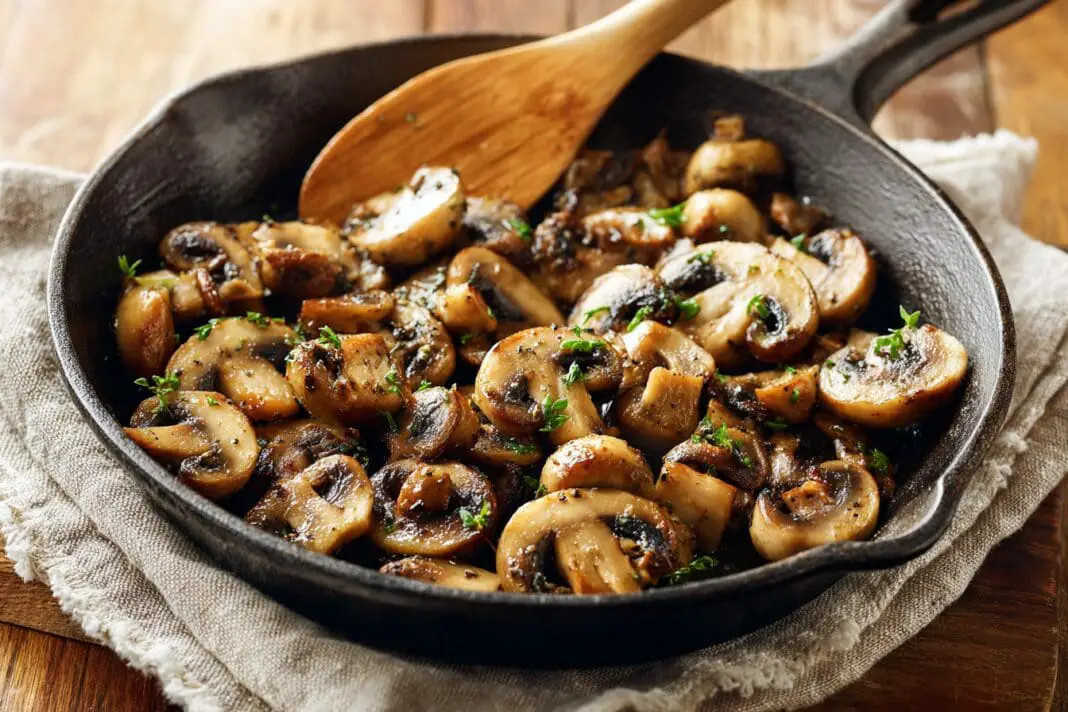
Mushrooms are one of the most underrated ingredients in the kitchen. They are earthy, meaty, and packed with umami — that deep, savory taste that makes everything better. But here is the thing: almost everyone cooks them wrong. Soggy, pale, rubbery mushrooms sitting in a puddle of water on the plate? That is what happens when a few simple steps go sideways. The good news is that perfect, golden-brown sautéed mushrooms are not hard to pull off once the common mistakes get fixed.
Stop washing mushrooms under running water
It is so tempting to toss mushrooms under the faucet like any other vegetable. They grow in dirt, after all. But mushrooms are not like tomatoes or peppers. They act like tiny sponges and soak up every drop of water they touch. That extra moisture sits inside the mushroom and comes flooding out into the pan later. The result is steamed, soggy mushrooms instead of the crispy, golden ones everyone wants. This one habit can ruin the whole dish before the stove even gets turned on.
So what should happen instead? Grab a damp paper towel or a soft pastry brush and gently wipe each mushroom clean. Yes, it takes a little more time. Yes, getting into the little crevices under the cap is annoying. But it makes a huge difference. And honestly, if the mushrooms look pretty clean already, a quick brush-off is totally fine. They are a fungus that grows in dirt — a tiny bit of earth never hurt anyone.
Wild mushrooms need even more care
Button mushrooms and creminis from the grocery store are pretty forgiving. They can handle a quick rinse if needed. But wild mushrooms like shiitakes, chanterelles, maitakes, oysters, and morels are a different story. These varieties are more delicate and porous than the common white button. When they get wet, they turn slimy and waterlogged in a way that is hard to come back from. Anyone who has ever bought wild mushrooms after a heavy rain knows this — they come home limp and sad.
Professional cooks take this seriously. According to experienced kitchen staff, no chef in a respected restaurant washes wild mushrooms with water. The dry cleaning method is the standard. It keeps the mushrooms firm and ready to get a great sear in the pan. So the next time a gorgeous pile of chanterelles comes home from the farmers market, resist the urge to rinse. Just brush them off and move on.
The heat is probably way too low
Here is where things get really interesting. Mushrooms are full of water — like, a lot of water. When they hit a hot pan, that water needs somewhere to go. If the heat is too low, the water seeps out slowly and just pools around the mushrooms. They end up simmering in their own liquid, basically boiling instead of browning. That is how pale, rubbery mushrooms happen. Nobody wants that. The fix is surprisingly simple: crank the heat up.
Medium-high to high heat is the sweet spot. At that temperature, the water evaporates quickly and the mushrooms start to brown nicely. That golden color is where all the deep, savory goodness lives. One important thing to remember: do not take the mushrooms off the heat until all that liquid has evaporated. Watch the pan closely. When the sizzling changes from a wet bubble to a dry crackle, the mushrooms are getting close. Patience at this stage pays off big time.
Try starting mushrooms in water first
This might sound completely backwards, but there is real science behind it. Some food experts actually recommend cooking mushrooms in water before sautéing them. The idea is that starting in a small amount of water helps the mushrooms release their internal moisture in a controlled way. Once that water cooks off, the pan is dry and ready for oil or butter. The mushrooms then brown quickly and evenly because they have already lost all their extra liquid.
Cook’s Illustrated tested this method and found that it produces better results than the traditional dry-pan method. The mushrooms come out with a more even sear and a better overall bite. It sounds weird, but it works. Just add a small splash of water to the pan with the mushrooms, let it cook off completely, then add fat and let them crisp up. It is one of those tricks that feels wrong but makes total sense once it is understood.
More oil and butter than expected
A light drizzle of olive oil seems like the right move. But mushrooms are absorbent little things. They soak up fat like bread soaks up soup. If the pan starts too dry, or if there is only a thin coating of oil, the mushrooms will drink it all up immediately. Then they stick to the pan and burn instead of browning. It is frustrating and happens all the time. The key is to be generous with the fat from the start.
Use a good amount of butter, olive oil, or a mix of both. Keep an eye on the pan as the mushrooms cook. If things start looking too dry, add more. There is no shame in adding an extra pat of butter halfway through. The fat helps conduct heat evenly and gives the mushrooms that rich, golden crust. Think of it this way — mushrooms love fat, so give them what they want.
Overcrowding the pan ruins everything
This is probably the single most common cooking mistake, not just with mushrooms but with almost everything. When the pan is packed too full, the temperature drops and steam builds up. Mushrooms release a lot of water, and if they are piled on top of each other, that water has nowhere to go. Instead of searing, they end up steaming in a crowded, wet mess. The result is soft, gray mushrooms with zero browning.
The solution is to give each mushroom some breathing room. Cook in batches if needed. It takes a little longer, but not overcrowding is the difference between sad mushrooms and restaurant-quality ones. Spread them out in a single layer so each piece has contact with the hot surface of the pan. That direct contact is what creates the beautiful caramelization. It is worth the extra five minutes, promise.
Not all mushrooms should be sliced
Grab a mushroom, grab a knife, and start slicing. That is the default for most people. But not every mushroom benefits from being cut into thin, uniform slices. Different shapes and sizes create more interesting results in the pan. Some mushrooms have natural structures that look and cook better when they are left whole or just torn apart by hand. Slicing everything the same way is a missed opportunity.
Button and cremini mushrooms do well when quartered instead of sliced. The bigger pieces hold up better during cooking and get crispier edges. Tiny shiitakes and chanterelles are great left whole. And wild-looking ones like maitakes and oyster mushrooms? Just tear them apart with bare hands into rough, uneven pieces. Those irregular edges get extra crispy in the pan. It adds more character to the finished dish and honestly looks way more impressive on the plate.
Season at the end, not the beginning
Salt is amazing, but the timing matters. Adding salt too early draws even more moisture out of the mushrooms. That means more liquid pooling in the pan and more time waiting for it to evaporate. The mushrooms spend longer in that wet, steaming phase and less time actually browning. It seems like a tiny detail, but it can make or break the final result. Seasoning is important — just not right away.
Wait until the mushrooms are golden and most of the liquid has cooked off. Then add salt, pepper, garlic, fresh herbs, or whatever sounds good. The seasoning sticks better to the surface of browned mushrooms anyway. A little minced garlic tossed in during the last minute of cooking adds a wonderful punch. Fresh thyme or rosemary at the very end brings everything together. This way the mushrooms get crispy first and seasoned second, which is exactly how it should go.
Leave them alone while they cook
There is a strong urge to stir constantly. It feels productive, like something important is happening. But all that stirring actually prevents mushrooms from developing a good sear. Every time a mushroom gets flipped or pushed around, it loses contact with the hot pan surface. That contact is what creates the brown, caramelized crust. Stirring too much keeps the mushrooms in a constant state of almost-browning without ever getting there.
Instead, let the mushrooms sit undisturbed for at least three to four minutes before touching them. Put them in the pan, spread them out, and then walk away for a bit. When they are ready to flip, they will release from the pan easily. If they are sticking, they are not done yet. Give them more time. One good flip is all that is needed. After another few minutes on the other side, they will be perfectly golden and ready to go. Hands off is the way.
Cooking mushrooms well comes down to a handful of small changes that make a huge difference. Clean them dry, use high heat, give them space, be generous with butter, and resist the urge to stir. Once these habits click into place, every mushroom dish goes from okay to outstanding. The recipe below puts all of these tips into action with a simple, satisfying sautéed mushroom dish that works as a side, a topping, or a straight-from-the-pan snack.
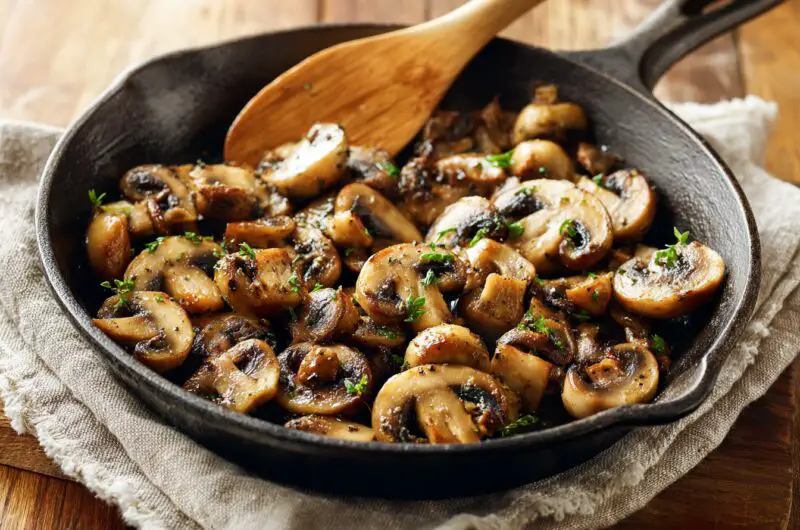
Perfect Golden Sautéed Mushrooms
Course: Side DishCuisine: American4
servings10
minutes15
minutes180
kcalCrispy, buttery, golden-brown mushrooms made the right way — no more soggy, sad fungi ever again.
Ingredients
1.5 pounds mixed mushrooms (cremini, shiitake, and oyster)
3 tablespoons unsalted butter
2 tablespoons extra virgin olive oil
3 cloves garlic, minced
1 tablespoon fresh thyme leaves
1 teaspoon kosher salt
1/2 teaspoon freshly cracked black pepper
1 tablespoon soy sauce
Fresh parsley for finishing (optional)
Directions
- Clean all mushrooms using a damp paper towel or pastry brush to remove any dirt or debris. Do not rinse them under water, as they will absorb moisture and become soggy. Pay special attention to the crevices under the caps where dirt likes to hide.
- Prepare the mushrooms by quartering the creminis, removing and discarding the stems from the shiitakes and leaving small caps whole or halving larger ones, and tearing the oyster mushrooms into rough pieces by hand. Keeping varied shapes and sizes creates better browning and a more interesting finished dish.
- Heat a large skillet or cast iron pan over medium-high heat until the pan is very hot. Add the olive oil and 1 tablespoon of the butter, swirling to coat the bottom of the pan evenly. The butter should foam immediately when it hits the pan — that means the temperature is right.
- Add the mushrooms to the pan in a single layer, working in two batches if needed to avoid overcrowding. Let them cook undisturbed for 3 to 4 minutes until the bottoms are deeply golden brown. Do not stir or move them during this time — the contact with the hot pan is what creates the crispy, caramelized crust.
- Flip the mushrooms and cook for another 3 to 4 minutes on the second side. If the pan looks dry at any point, add another tablespoon of butter. The mushrooms will release liquid as they cook — let it evaporate completely before moving on. Wait until the pan sounds dry and crackly, not wet and bubbly.
- Once the mushrooms are golden brown on both sides and all the liquid has evaporated, add the remaining tablespoon of butter and the minced garlic. Stir gently for about 30 to 45 seconds until the garlic is fragrant but not burned. The garlic cooks fast at this temperature, so keep it moving.
- Add the soy sauce, kosher salt, black pepper, and fresh thyme leaves. Toss everything together for about 30 seconds to coat the mushrooms evenly. The soy sauce adds an extra savory punch and helps deepen the brown color even further.
- Remove the pan from the heat and transfer the mushrooms to a serving plate. Finish with a sprinkle of fresh chopped parsley if desired. Serve immediately while they are still hot and crispy — these are best eaten right away as a side dish, on top of steak, stirred into pasta, or piled onto crusty toast.
Notes
- If using only one type of mushroom, cremini mushrooms are the most widely available and work great on their own. Quarter them for the best results.
- Cast iron pans hold heat the best and produce the crispiest mushrooms. A stainless steel pan also works well. Avoid nonstick if possible, as it does not get hot enough for a great sear.
- Cook in batches rather than crowding the pan. It is better to do two rounds of perfectly browned mushrooms than one round of steamed, soggy ones.
- The soy sauce is optional but highly recommended. It boosts the savory, umami quality of the mushrooms without making them taste like soy sauce.
Frequently Asked Questions
Q: Can I wash mushrooms under running water?
A: It is best to avoid washing mushrooms with water, especially wild varieties like shiitakes, chanterelles, and maitakes. They absorb water like sponges and will turn soggy in the pan. Instead, wipe them clean with a damp paper towel or brush them off with a pastry brush. Conventional button mushrooms can handle a very quick rinse if absolutely needed, but drying them thoroughly afterward is essential.
Q: Why do my mushrooms always turn out soggy?
A: Soggy mushrooms are almost always caused by one of three things: the heat is too low, the pan is too crowded, or the mushrooms were washed with water. Use medium-high to high heat, cook in batches so each piece has space, and make sure all the released liquid evaporates before taking them off the heat. Following these steps will give golden, crispy results every time.
Q: Should I use butter or oil for sautéing mushrooms?
A: A combination of both works best. Olive oil has a higher smoke point and keeps the butter from burning at high heat, while butter adds a rich taste. Start with olive oil and a little butter, then add more butter as needed during cooking. Mushrooms absorb fat quickly, so do not be afraid to add extra if the pan looks dry.
Q: Do I need to slice all mushrooms the same way?
A: Not at all. Different mushrooms benefit from different cuts. Cremini and button mushrooms are best quartered. Small shiitakes and chanterelles can be left whole. Oyster mushrooms and maitakes should be torn by hand into rough, uneven pieces. The variety in shape creates more interesting browning and adds visual appeal to the dish.

