

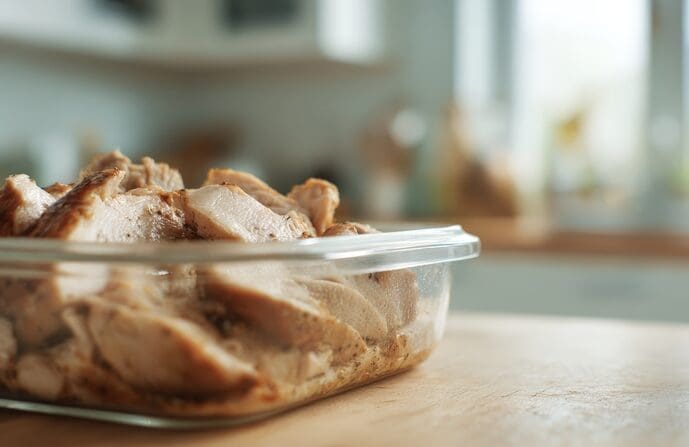
That container of leftover chicken from Sunday dinner has been sitting in the fridge since, well, Sunday. Now it’s Thursday and you’re staring at it wondering if it’s still okay to eat. Most people have been there, and the truth is, cooked chicken doesn’t last as long as many people think. The general rule might surprise you, and knowing when to toss it could save you from a really bad stomach ache.
The magic number is three to four days
Here’s the thing about leftover chicken that catches a lot of people off guard. Whether you roasted a whole bird, fried up some tenders, or brought home a rotisserie chicken from the grocery store, the clock starts ticking the moment it comes out of the oven. That delicious meal you made on Monday needs to be eaten by Thursday at the latest. Pushing it to Friday or the weekend is playing a risky game that nobody wants to lose.
According to the USDA, cooked chicken can safely stay in the refrigerator for three to four days when stored properly. This applies to every kind of cooked chicken you can think of. Homemade, store-bought, shredded, ground, whole, or those restaurant leftovers you couldn’t finish. They all follow the same timeline. The longer chicken sits in the fridge, the more bacteria can grow, even when it’s cold.
Why five days is pushing your luck
So what happens if you keep cooked chicken for five days instead of four? The refrigerator slows down bacteria growth, but it doesn’t stop it completely. Every extra day increases the chance that harmful bacteria have multiplied to dangerous levels. You might look at that chicken and think it seems fine, but bacteria don’t always announce themselves with obvious signs. Sometimes spoiled food looks and smells perfectly normal.
People who meal prep for the entire week should keep this in mind. If you cook all your lunches on Sunday, any containers with chicken should be eaten early in the week. Save the meatless meals or other proteins for Thursday and Friday. This simple switch can help you avoid accidentally eating chicken that’s been sitting too long. When in doubt, the safest bet is to throw out any leftovers after three days if you’re not completely sure about the timing.
Different chicken products have different timelines
Not everything chicken-related follows the same three to four day rule. Chicken salad, for example, can actually last up to five days in the refrigerator. That’s good news for people who like to make a big batch at the start of the week. However, chicken salad cannot be frozen, so you’ll need to eat it within that window. Knowing these little differences can help prevent both food waste and food safety problems.
Packaged chicken products have their own rules too. Chicken lunch meat stays good for two weeks if the package is unopened, but only five days after you open it. Deli-sliced chicken from the counter lasts three to five days after purchase. Chicken hot dogs are safe for up to two weeks unopened and one week after opening. These products are processed differently, which is why their shelf lives vary so much from regular cooked chicken.
Proper storage makes all the difference
How you store cooked chicken matters just as much as when you eat it. First, let the chicken cool down completely before putting it in the fridge. Hot food can raise the temperature inside your refrigerator, which affects everything else stored in there. Once it’s cool, transfer the chicken to an airtight container. Those plastic takeout containers or glass storage containers with tight lids work great for this purpose.
Here’s a tip that can save you from guessing games later. Write the date on the container when you put it in the fridge. A piece of tape and a marker work perfectly for this. You also need to get that chicken refrigerated quickly. It should go into the fridge within two hours of cooking or sitting at room temperature. Your fridge temperature should be at or below 40°F to keep bacteria growth as slow as possible.
Freezing extends the life significantly
What if you made way too much chicken and there’s no way you’ll eat it all in four days? The freezer is your best friend in this situation. Cooked chicken can be frozen for up to four months while maintaining good quality. If you know you won’t finish the leftovers in time, don’t wait until day three to freeze them. The sooner you freeze it, the better the taste and texture will be when you thaw it out later.
The best way to freeze chicken is in a zip-top freezer bag with as much air pressed out as possible. Air is the enemy when it comes to freezer storage because it causes freezer burn. Label the bag with the date so you know how long it’s been in there. Technically, properly frozen chicken stays safe indefinitely. However, after four months, the quality starts to go downhill. The longer it sits in the freezer, the more the taste and texture suffer.
Reheating needs to hit the right temperature
Getting leftover chicken hot again isn’t just about making it taste better. It’s also about safety. The internal temperature of reheated chicken needs to reach at least 165°F to kill any bacteria that might have started growing. This applies whether you’re using a microwave, stovetop, oven, or air fryer. A cheap meat thermometer can take the guesswork out of this completely.
Different reheating methods work better for different situations. The stovetop is great for boneless pieces, shredded chicken, or anything with sauce. Cover the pan to keep moisture in and cook on medium-low heat. The oven works best for larger portions, bone-in pieces, or casseroles. Set it to 350°F and add a splash of water or broth to prevent drying out. For anything with a crispy coating like fried chicken or wings, the air fryer at 375°F for four to six minutes brings back that crunch.
Signs that chicken has gone bad
Sometimes you can tell right away that chicken is past its prime. If the color looks off, either darker than it should be or strangely faded, that’s a warning sign. Touch it with your finger. Does it feel slimy, sticky, or tacky? That’s bacteria at work and it’s time to throw it away. Your nose knows too. If it smells bad or just “off” in any way, trust your instincts and get rid of it.
The tricky part is when chicken has been marinated or covered in sauce. Those strong seasonings can mask the smell and appearance of spoiling meat. You might not notice anything wrong until you take a bite. If something tastes weird or wrong, stop eating immediately and toss the rest. When you’re unsure about any leftover chicken, the safest choice is always to throw it out. A few dollars worth of chicken isn’t worth getting sick over.
What happens if you eat spoiled chicken
Eating chicken that’s gone bad can lead to food poisoning, which is about as unpleasant as it sounds. Symptoms include nausea, chills, vomiting, diarrhea, and dehydration. These can start anywhere from a few hours to a few days after eating contaminated food. Most healthy adults recover on their own within a day or two, but it’s still a miserable experience that’s easy to avoid by following proper storage guidelines.
Some people need to be extra careful about this. Young children, elderly adults, pregnant women, and anyone with a weakened immune system are more vulnerable to serious complications from food poisoning. For these groups, it’s especially important to follow the three to four day rule strictly. If you or anyone in your household has eaten questionable chicken and shows signs of food poisoning, consider talking to a doctor, especially if symptoms are severe or don’t improve.
Raw chicken has even shorter fridge life
While we’re talking about chicken storage, raw chicken deserves a mention too. Unlike cooked chicken, which gets three to four days, raw chicken only lasts one to two days in the refrigerator. That’s not much time at all. If you buy chicken at the grocery store and don’t plan to cook it within a day or two, you should freeze it right away instead of letting it sit in the fridge.
Frozen raw chicken lasts much longer than cooked. A whole frozen chicken stays good for up to a year, while chicken parts remain safe for up to nine months. The “best by” dates on grocery store packaging are helpful for quality, but proper storage matters more for safety. When you’re ready to use frozen raw chicken, thaw it in the refrigerator overnight rather than on the counter. This keeps it at a safe temperature during the thawing process.
Keeping track of leftover chicken doesn’t have to be complicated. Remember the three to four day rule, store it properly in airtight containers, and when in doubt, throw it out. Labeling containers with dates takes two seconds and removes all the guesswork later. If you have more than you can eat in time, the freezer gives you up to four months of extra storage. A little attention now prevents a lot of regret later.

