

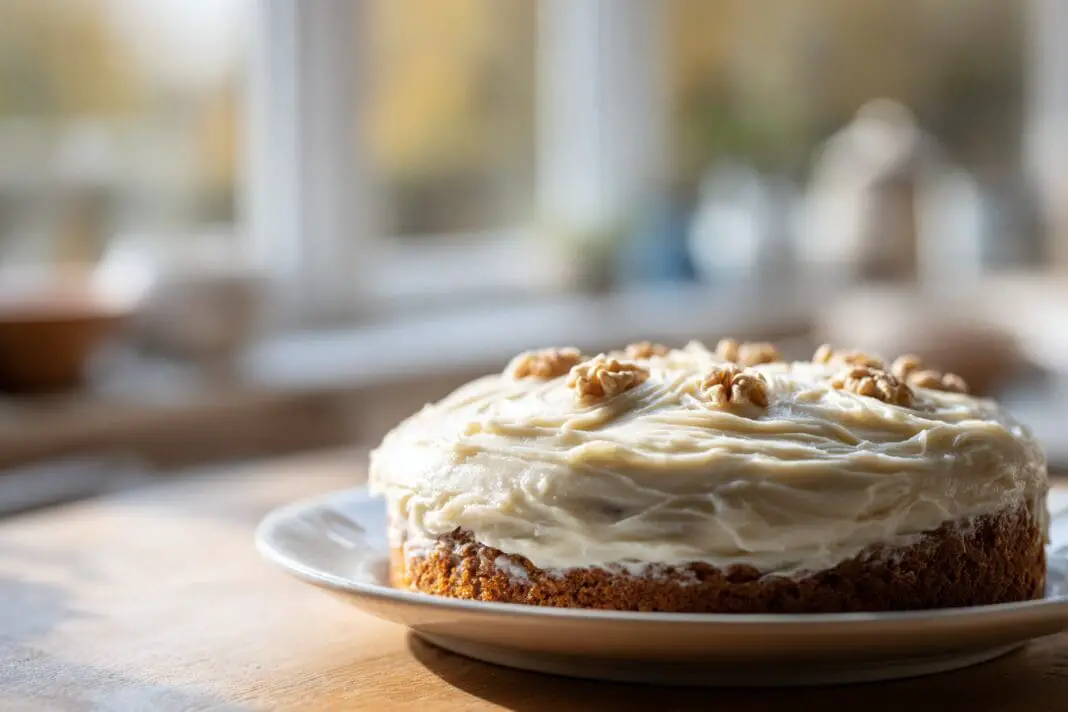
A carrot cake once sold for $575 at a charity auction. That’s not a typo. The secret behind this legendary dessert wasn’t some fancy technique or expensive ingredient. It was something most people overlook when baking carrot cake. This recipe has earned over 2,800 five-star reviews, and the trick that makes it stand out is surprisingly simple. If every carrot cake you’ve made turned out dry or dense, you’re about to learn why that keeps happening.
The story behind this legendary carrot cake
Every great recipe has a story, and this one belongs to a grandfather named Sam. He wasn’t a professional baker or a chef with fancy training. He was just a grandpa who loved making carrot cake for his friends and neighbors. Whenever someone wanted one, Sam would show up with a homemade cake that people described as “moist and divine.” His grandson Brian D’Amico eventually shared the recipe online, and it became one of the most popular carrot cake recipes on the internet.
What made Sam’s carrot cake different from all the others? According to Brian, “Everyone who knew him knows of this carrot cake. We’ll miss him, but his carrot cake legacy will always live on.” That legacy comes down to one ingredient that most carrot cake recipes leave out. It’s something you might have in your fridge right now, and it changes everything about how the cake turns out.
Buttermilk is the game-changing secret
Here’s the big reveal: the secret ingredient is buttermilk. That might sound underwhelming at first, but hear this out. Most carrot cake recipes only use oil for moisture. Oil does a decent job, but it can only do so much. Buttermilk takes things to a completely different level. It makes the cake lighter, more tender, and way more flavorful than oil alone ever could. This is why Sam’s cake always came out perfect while other carrot cakes end up heavy and dry.
The buttermilk works its magic through a simple chemical reaction. When the acid in buttermilk meets the baking soda in the batter, it creates tiny bubbles of carbon dioxide. These bubbles spread throughout the cake as it bakes, making it rise beautifully and giving it that soft, tender crumb. Without buttermilk, you’re missing out on this reaction, and your cake will never reach its full potential.
Why buttermilk beats oil-only recipes
Think about the last time you made or ate a disappointing carrot cake. Chances are it was dense, maybe a little greasy, and definitely not as light as you wanted. That’s what happens when a recipe relies only on oil for moisture. Oil keeps things from drying out, but it doesn’t add any lift or lightness. The cake turns out flat and heavy, even when you follow the recipe exactly. Buttermilk solves this problem in a way that oil simply cannot.
Beyond texture, buttermilk also brings a subtle tang to the cake. This might sound weird for a dessert, but it actually makes the sweetness taste better. The slight acidity balances out the sugar from the carrots, pineapple, and raisins in the recipe. It also pairs really well with the cinnamon and other warming spices. The result is a cake that tastes complex and interesting instead of just sweet. One reviewer on the recipe site called it “over the top delicious.”
Don’t have buttermilk at home? No problem
Unless you’re making pancakes every weekend, you probably don’t keep buttermilk in your refrigerator. That’s totally normal. Most people buy it for one recipe, use half the carton, and watch the rest go bad in the back of the fridge. The good news is you can make a homemade substitute that works almost as well. All you need is regular milk and either white vinegar or lemon juice. It takes about two minutes to put together.
To make buttermilk substitute, measure one cup of milk and add one tablespoon of vinegar or lemon juice. Stir it together and let it sit for five to ten minutes. The milk will start to curdle slightly, which is exactly what you want. This creates an acidic liquid that reacts with baking soda just like real buttermilk does. Is it identical to the real thing? Not quite, but it’s close enough that your cake will still turn out amazing. Save yourself a trip to the store and use this trick instead.
Pineapple and coconut add extra moisture
Buttermilk isn’t the only moisture booster in this recipe. Sam also included crushed pineapple, which might seem like an unusual choice for carrot cake. Pineapple adds natural sweetness and a ton of moisture without making the cake taste tropical or weird. The fruit breaks down during baking and spreads its juices throughout the batter. Combined with the buttermilk, it creates a cake that stays moist for days instead of drying out overnight.
Shredded coconut is another addition that sets this recipe apart. It adds a subtle texture and helps trap moisture inside the cake. You also get walnuts for crunch and raisins for little bursts of sweetness. Some people skip the raisins because they don’t like them, and that’s fine. The recipe works without them. But if you’re going to make Grandpa Sam’s cake the way he intended, throw in all the mix-ins. They’re part of what makes this version so much better than basic carrot cake.
Two ways to bake this cake
The original recipe calls for an 8×12-inch rectangular pan, which is great if you want a simple sheet cake. You bake it for about an hour at 350 degrees, let it cool, and frost the top. Easy and straightforward. This is how Sam made it when he delivered cakes to his neighbors. Sheet cakes are casual, unfussy, and perfect for feeding a crowd. They also travel well because you don’t have to worry about layers sliding around.
Many home bakers prefer making a layered cake instead. To do this, divide the batter between two 9-inch round pans. The baking time drops to about 45 minutes since the batter is spread thinner. Once the layers cool completely, stack them with cream cheese frosting in between and on top. A layered carrot cake looks impressive for birthdays, holidays, or any time you want to show off. Both versions taste equally amazing, so pick whichever style fits your occasion.
The right way to mix the batter
Getting the mixing technique right matters more than you might think. Start by sifting together all your dry ingredients in one bowl. That means flour, baking soda, cinnamon, and salt. Sifting removes lumps and helps everything combine evenly later. In a separate bowl, whisk together the wet ingredients: sugar, eggs, oil, vanilla, and buttermilk. Sugar counts as a wet ingredient here because it dissolves into the liquid and helps create a smooth batter.
Now comes the important part. Gradually add the dry ingredients to the wet ingredients, stirring gently as you go. Don’t dump everything in at once and beat it aggressively. That develops too much gluten in the flour and makes your cake tough. Mix until everything is just combined, then fold in the carrots, pineapple, coconut, walnuts, and raisins. The batter will look thick and chunky, which is exactly right. Pour it into your prepared pan and get it in the oven quickly.
Cream cheese frosting is non-negotiable
Some cakes work with different kinds of frosting. Carrot cake is not one of them. Cream cheese frosting is the only acceptable choice here. The tangy, slightly savory flavor of cream cheese pairs perfectly with the sweet, spiced cake. Anything else would taste wrong. Good cream cheese frosting is thick, spreadable, and not too sweet. It should complement the cake without overwhelming it or making the whole dessert cloyingly sugary.
To make classic cream cheese frosting, beat softened cream cheese with butter until smooth. Add powdered sugar gradually, mixing well after each addition. A splash of vanilla rounds out the flavor. If your frosting seems too thick, add a tiny bit of milk to loosen it up. If it’s too thin, refrigerate it for fifteen minutes to firm up. Spread a generous layer over your completely cooled cake. Frosting a warm cake is a disaster waiting to happen, so be patient.
Tips for the best results every time
Shred your own carrots instead of buying pre-shredded ones from the store. Freshly grated carrots have more moisture and give the cake a better texture. Use the small holes on a box grater for fine shreds that disappear into the batter. About three large carrots will give you the two cups you need. This takes an extra five minutes but makes a noticeable difference in the final product.
Drain your crushed pineapple before adding it to the batter. If you throw in all that extra liquid, your cake might come out soggy instead of moist. Press the pineapple in a fine mesh strainer or squeeze it gently in a paper towel. Save the juice for smoothies or cocktails. Also, make sure your eggs and buttermilk are at room temperature before mixing. Cold ingredients don’t blend as smoothly and can affect how the cake rises in the oven.
Grandpa Sam knew what he was doing when he added buttermilk to his carrot cake. This simple ingredient transforms an ordinary recipe into something people remember for years. Whether you bake it as a sheet cake for a casual gathering or stack it into layers for a special celebration, the results speak for themselves. Over 2,800 five-star reviews can’t be wrong. Try this recipe once, and you’ll understand why one person paid $575 for a single cake at a charity auction.
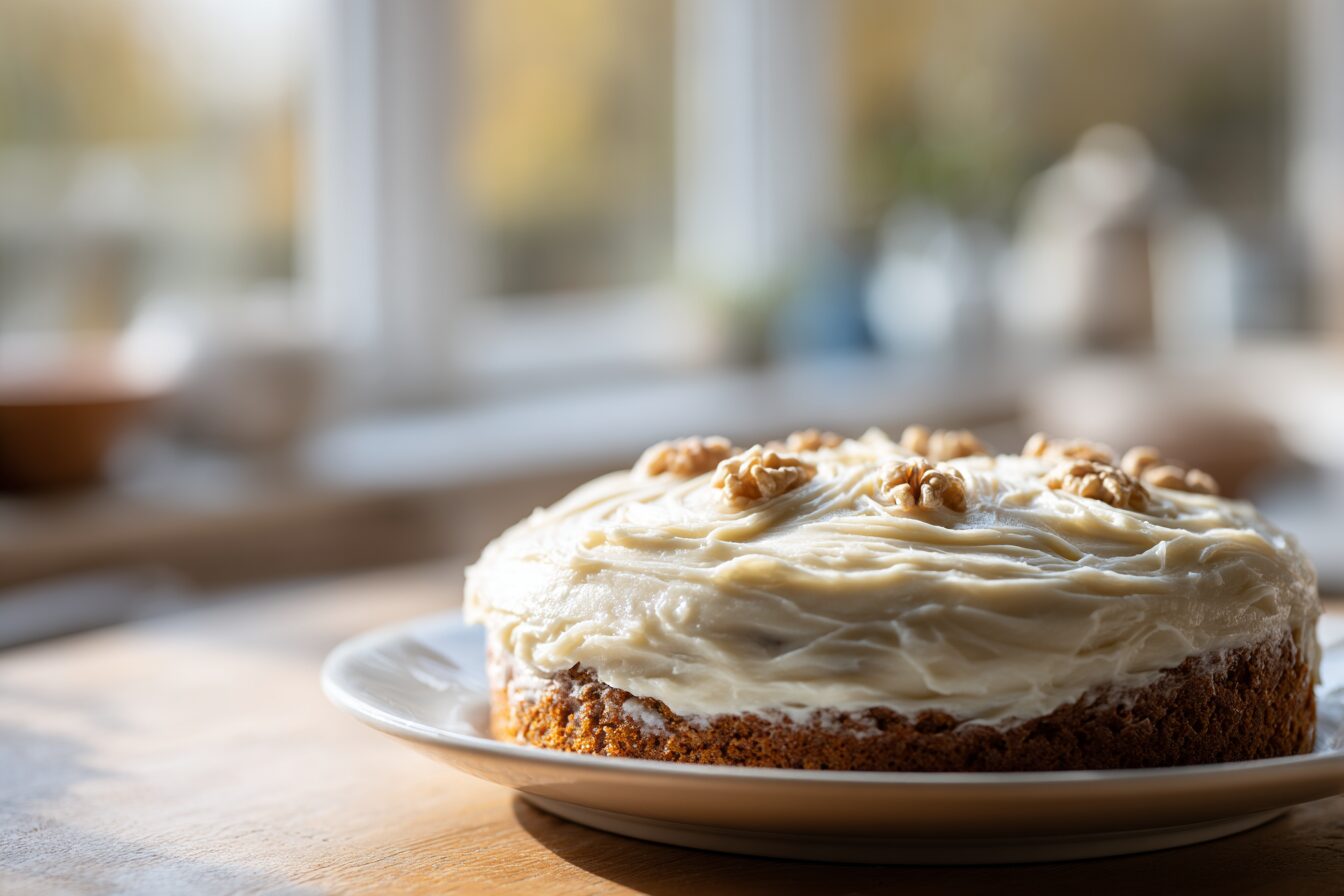
Grandpa Sam’s Famous Buttermilk Carrot Cake
Course: DessertCuisine: American16
servings25
minutes1
hour420
kcalThis legendary carrot cake with a secret buttermilk ingredient has earned thousands of five-star reviews for its incredible moisture and rich flavor.
Ingredients
2 cups all-purpose flour
2 teaspoons baking soda
2 teaspoons ground cinnamon
1 teaspoon salt
2 cups granulated sugar
4 large eggs, room temperature
1 1/2 cups vegetable oil
1 teaspoon vanilla extract
1/2 cup buttermilk, room temperature
2 cups freshly shredded carrots (about 3 large)
1 cup crushed pineapple, well drained
1 cup shredded sweetened coconut
1 cup chopped walnuts
1 cup raisins
For frosting: 8 oz cream cheese, softened
For frosting: 1/2 cup butter, softened
For frosting: 4 cups powdered sugar
For frosting: 1 teaspoon vanilla extract
Directions
- Preheat your oven to 350 degrees F (175 degrees C). Grease and flour an 8×12-inch baking pan, or two 9-inch round cake pans if making a layered cake. Tap out any excess flour and set the prepared pans aside.
- In a large bowl, sift together the flour, baking soda, cinnamon, and salt. Sifting removes any lumps and ensures the dry ingredients are evenly distributed throughout the batter. Set this bowl aside while you prepare the wet ingredients.
- In a separate large bowl, whisk together the sugar, eggs, vegetable oil, vanilla extract, and buttermilk until well combined. The mixture should be smooth with no visible lumps of sugar. Make sure your eggs and buttermilk are at room temperature for the best results.
- Gradually add the sifted dry ingredients to the wet ingredients, stirring gently with a wooden spoon or spatula. Mix until just combined, being careful not to overmix as this can make the cake tough. A few small lumps are perfectly fine.
- Fold in the shredded carrots, drained crushed pineapple, shredded coconut, chopped walnuts, and raisins until evenly distributed. The batter will be thick and chunky, which is exactly what you want. Make sure all the mix-ins are coated with batter.
- Pour the batter into your prepared pan(s) and spread it evenly with a spatula. Bake for 1 hour for a single pan, or 45 minutes for two round pans. The cake is done when a toothpick inserted in the center comes out clean or with just a few moist crumbs.
- Allow the cake to cool in the pan for 10 minutes, then turn it out onto a wire rack to cool completely. The cake must be completely cool before frosting, or the frosting will melt and slide off. This usually takes at least one hour.
- Make the frosting by beating the softened cream cheese and butter together until smooth and fluffy. Gradually add the powdered sugar, mixing well after each addition, then stir in the vanilla extract. Spread generously over the cooled cake, and enjoy!
Notes
- To make a buttermilk substitute, combine 1/2 cup milk with 1/2 tablespoon white vinegar or lemon juice. Let it sit for 5-10 minutes before using.
- Freshly shredded carrots work much better than pre-shredded store-bought carrots because they contain more moisture.
- Be sure to drain the crushed pineapple thoroughly by pressing it in a fine mesh strainer to prevent a soggy cake.
- This cake stays moist for up to 5 days when stored covered in the refrigerator. Let it come to room temperature for 30 minutes before serving.
Frequently Asked Questions
Q: Can I leave out the raisins or coconut if I don’t like them?
A: Yes, you can skip the raisins, coconut, or walnuts if they’re not your thing. The cake will still turn out moist and delicious thanks to the buttermilk and pineapple. Some people also substitute pecans for walnuts or add extra carrots to make up for the missing mix-ins.
Q: How long does this carrot cake stay fresh?
A: When stored in an airtight container or covered with plastic wrap in the refrigerator, this cake stays fresh and moist for up to five days. The buttermilk and pineapple help it retain moisture longer than most carrot cakes. Let it sit at room temperature for about 30 minutes before serving for the best taste.
Q: Can I freeze this carrot cake?
A: Absolutely! Wrap the unfrosted cake layers tightly in plastic wrap and then aluminum foil. They’ll keep in the freezer for up to three months. Thaw overnight in the refrigerator before frosting. You can also freeze the frosted cake, but the texture of the cream cheese frosting may change slightly.
Q: Why is my carrot cake dense or gummy in the middle?
A: This usually happens from overmixing the batter or not baking the cake long enough. Mix the dry ingredients into the wet ingredients gently and stop as soon as everything is combined. Always test with a toothpick before removing from the oven—it should come out clean or with just a few moist crumbs attached.

