

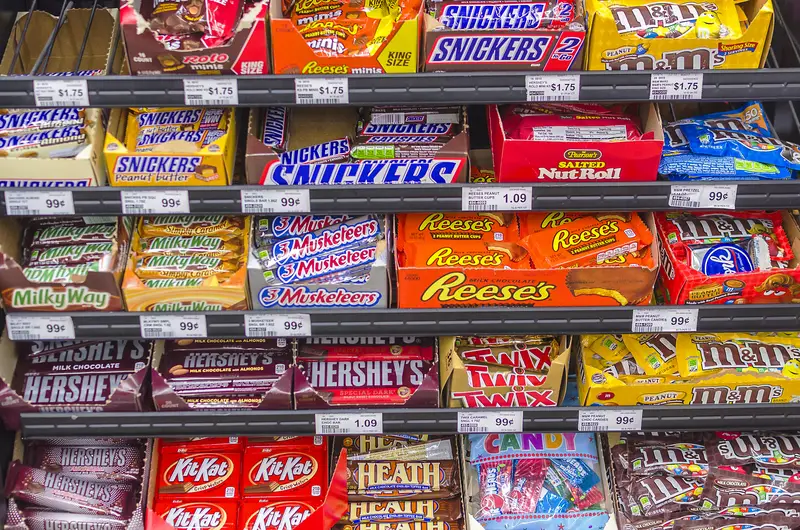
That bag of candy sitting in the pantry might have a secret ingredient nobody wants. A recent study tested 46 popular candy brands and found that more than 60% of them contained elevated levels of arsenic. The list includes some of the most recognizable names on store shelves, from Twizzlers to Snickers to Sour Patch Kids. This news has parents and candy lovers everywhere taking a second look at their favorite treats.
Florida released a list of 28 candies with high arsenic
The Florida Department of Health didn’t hold back when they released their findings. Out of 46 different candy products tested, 28 came back with elevated arsenic levels. That’s more than half of the candies that were put under the microscope. The study was part of First Lady Casey DeSantis’s “Healthy Florida First” initiative, which aims to give families better information about what’s in their food. The goal is to let people make their own choices based on real data.
What makes this study stand out is how many well-known brands showed up on the list. These aren’t obscure candies from the back of a discount store. We’re talking about products that fill Halloween buckets and movie theater snack bars across the country. The state measured arsenic in parts per billion and calculated how much of each candy would be considered safe to eat per year. Some of those numbers are surprisingly small.
Jolly Rancher Sour Apple had the highest arsenic reading
If there’s one candy that stood out for all the wrong reasons, it was Jolly Rancher Hard Candy in Sour Apple. This popular hard candy tested at 540 parts per billion of arsenic, making it one of the highest on the list. According to the study, children should only eat about 6 pieces per year to stay within safe limits. That’s a pretty small number considering how easy it is to grab a handful from a candy dish. The strawberry version tested lower at 320 parts per billion.
Tootsie Fruit Chew Lime actually topped the entire list at 570 parts per billion. Regular Tootsie Rolls came in at 380 parts per billion, while the vanilla version hit 370. These chewy candies have been around for over a century, which makes this news even more surprising. The numbers show that not all candies from the same brand test the same way. Different ingredients and manufacturing processes can lead to different results.
Twizzlers showed up multiple times on the list
Twizzlers fans might want to sit down for this one. Three different varieties of the popular licorice-style candy made the list. Twizzlers Watermelon tested at 510 parts per billion, Twizzlers Strawberry hit 500 parts per billion, and Twizzlers Cherry came in at 350 parts per billion. The study suggests children should eat only 4 strawberry pieces per year to stay within safe levels. That’s barely a handful, and most people can eat that many during a single movie.
The study also notes that adults can handle more than kids, but not by a huge margin. For Twizzlers Strawberry, adults should limit themselves to about 9 pieces per year. When was the last time anyone ate just 9 Twizzlers in an entire year? These findings highlight the difference between how we actually eat candy and what researchers consider safe consumption. It’s worth thinking about how these treats add up over time.
Nerds and SweeTarts also appeared in the results
Those tiny, crunchy Nerds candies that come in boxes have been a favorite for decades. The testing found Nerds Gummy Cluster at 500 parts per billion, Nerds Strawberry at 450 parts per billion, and Nerds Grape at 380 parts per billion. Because Nerds are so small, the safe consumption limits might seem higher at first glance. Children could eat 96 grape or strawberry pieces per year, which sounds like a lot until you realize how fast those tiny candies disappear.
SweeTarts Original tested at 400 parts per billion, while SweeTarts Rope came in at 390. The rope version has a particularly low safe limit of just 3 ropes per year for children. That’s basically three pieces of candy spread across 365 days. SweeTarts are often found in party favor bags and trick-or-treat hauls, which means kids might hit that yearly limit in a single afternoon. These numbers really put snacking habits into perspective.
Sour Patch Kids and Swedish Fish made the list too
Sour candy lovers won’t be happy about this section. Regular Sour Patch Kids tested at 470 parts per billion, Sour Patch Kids Tropical at 420, and Sour Patch Kids Watermelon also at 420. The original version allows for 36 pieces per year for kids, while the watermelon version drops down to just 12 pieces. Swedish Fish, another gummy favorite, came in at 220 parts per billion with a safe limit of 8 pieces per year for children.
First Lady Casey DeSantis made a good point about these numbers. More than eight pieces of Swedish Fish exceed the estimated safe annual arsenic exposure level for a child. Yet a typical small bag contains anywhere from 50 to 100 pieces. That’s a big gap between what the study considers safe and what most people actually consume. A single movie snack could blow past a whole year’s recommended limit.
Some chocolate bars like Kit Kat and Snickers tested high
It’s not just fruity and sour candies on the list. Kit Kat tested at 510 parts per billion, putting it near the top of the chart. Snickers came in at 350 parts per billion, and 3 Musketeers hit 240 parts per billion. Hershey’s Cookies ‘N’ Creme bar also made the list at 280 parts per billion. These are some of the most popular chocolate bars in the country, showing up in vending machines, checkout lanes, and lunch boxes everywhere.
The safe consumption limits for these chocolate bars are pretty tight. Kit Kat’s limit sits at just 2.4 pieces per year for children, and Snickers has the same number. That means a kid eating one Snickers bar from their Halloween haul could already be pushing the annual limit according to this study. It’s a stark reminder that even occasional treats might add up faster than anyone expects. The numbers are definitely eye-opening.
Several popular candies tested clean for arsenic
Here’s some good news for candy lovers. Not everything tested positive for elevated arsenic levels. Reese’s Peanut Butter Cups came back clean, as did the classic Hershey Milk Chocolate Bar. M&M’s, Twix, Whoppers, and Milky Way all passed the test too. First Lady DeSantis pointed out that this proves contamination isn’t unavoidable. If some brands can make candy without high arsenic levels, others should be able to figure it out too.
The list of clean candies also includes some organic and specialty brands. Organic Black Forest Gummy Bears tested clean even though the regular version had elevated levels at 370 parts per billion. Laffy Taffy Cherry was fine while Laffy Taffy Banana tested at 480 parts per billion. This suggests that different ingredients or recipes within the same brand can lead to very different results. Shopping for specific varieties might actually matter.
The candy industry is pushing back against these findings
The National Confectioners Association isn’t taking this news quietly. They released a statement calling the Florida report “misguided” and accusing the state of using “scare tactics.” According to the association, chocolate and candy are safe to eat and have been enjoyed for centuries. They argue that Florida ignored the FDA’s Closer to Zero Initiative, which is working on setting arsenic limits for foods kids eat. The industry group says they follow the science.
The association also complained about a “lack of transparency” in the study. They say the report will confuse consumers and lawmakers alike. Food safety and product quality remain their highest priorities, according to the statement. On the other side, Florida officials argue they’re getting ahead of problems instead of waiting for federal agencies to react. Florida Surgeon General Joseph Ladapo said the arsenic levels in candy were 20 to 40 times higher than typical foods.
Local experts suggest moderation is still the best approach
Nurse practitioner Julie Armstrong from Pensacola offers some practical advice. She tells her clients that having a piece of candy here and there probably won’t cause harm. The concern comes from eating these products repeatedly over time. Armstrong also points out a bigger issue: healthier snack options are often more expensive. Shopping the outside of the grocery store for fresh foods costs more than grabbing a bag of candy from the middle aisles.
The study didn’t explain where the testing was done or whether multiple tests were performed. It also didn’t specify what type of arsenic was found. Arsenic naturally exists in many foods, but inorganic arsenic is considered worse than organic arsenic. Without this detail, it’s harder to know exactly how concerned people should be. Still, the numbers provide useful information for anyone wanting to think more carefully about their snacking choices.
This study adds to a growing conversation about what’s really in our food. Whether the candy industry admits there’s a problem or not, the data is out there now. Families can use this information however they see fit. Some might cut back on certain candies while others might not change anything at all. Either way, knowing what’s in the snacks we eat gives everyone the power to make their own decisions about what goes into their bodies.

