

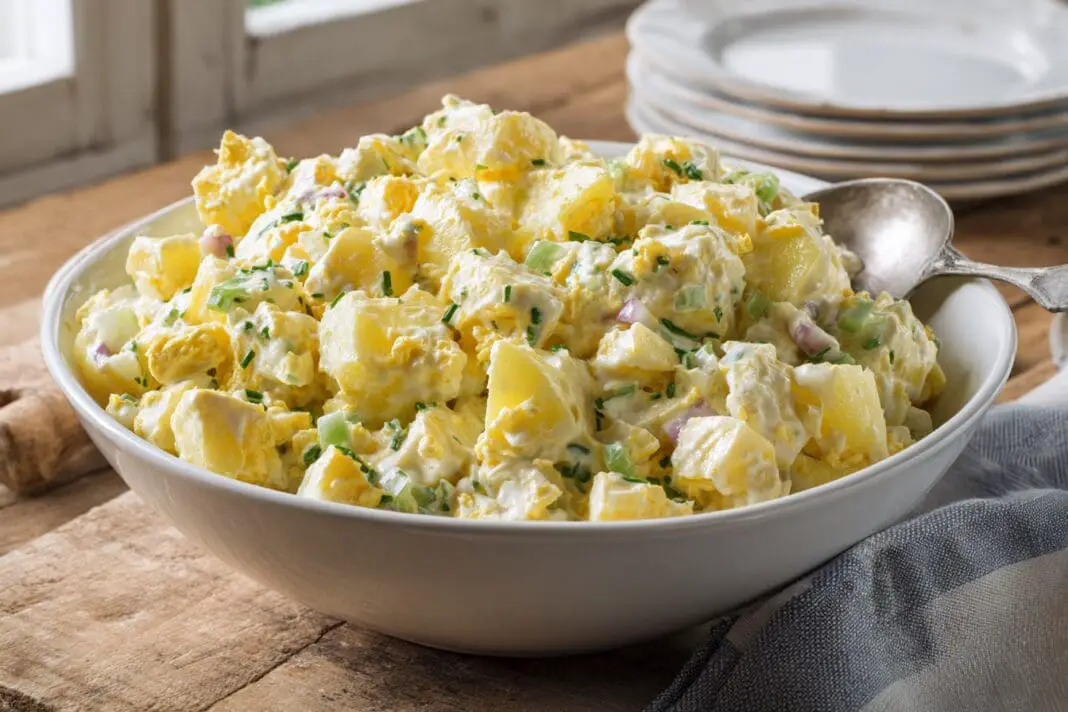
Potato salad seems simple enough, right? Boil some potatoes, mix in some mayo, and call it a day. But if the result keeps turning out mushy, bland, or weirdly dry, something is going wrong. The truth is, most people make the same handful of mistakes every single time. A few small changes to how potatoes are picked, prepped, and cooked can completely transform this classic side dish from disappointing to the best thing on the table.
The type of potato matters more than most think
Ever pulled a pot of potatoes off the stove only to find them falling apart into a starchy mess? That probably happened because of the type of potato sitting in the pot. Not all potatoes are created equal, and the wrong pick at the grocery store can ruin the whole dish before cooking even starts. Potatoes come in three main types based on their starch level: starchy, all-purpose, and waxy. Starchy potatoes, like russets, break down easily during boiling. They’re great for mashed potatoes but terrible for potato salad.
For potato salad that holds its shape, waxy potatoes are the way to go. Red thumb potatoes and French fingerlings are solid choices because they stay firm after boiling. Yukon gold and red gold potatoes work well too since they’re considered all-purpose and still hold together nicely. A simple rule: if the potato is red or yellow, it’s probably going to work. White or brown russets should stay in the bag for baking night instead. This one swap alone makes a huge difference in the final result.
Always start with cold water, not boiling
Here’s something that trips up almost everyone. Most people bring a pot of water to a rolling boil and then toss the potatoes in. That works for pasta, but potatoes are a different story. When potatoes hit boiling water, the outside cooks way too fast. The outer layer turns soft and mushy while the inside stays hard and crunchy. That means unevenly cooked potatoes, which is one of the fastest ways to end up with a bad potato salad. Nobody wants a bite that’s mushy on one side and raw on the other.
The fix is easy. Place the cut potatoes in the pot first, then cover them with cold water. After that, turn the heat on and let everything come up to a boil together. This way, the potatoes heat gradually and cook evenly from the outside in. The Southern Living Test Kitchen team swears by this method, and once it becomes a habit, the difference is obvious. It takes the same amount of time, just a different order of operations.
Unsalted water leads to bland potatoes every time
Have you ever taken a bite of potato salad and thought it tasted flat, even though the dressing was loaded with good stuff? That’s usually because the potatoes themselves have zero seasoning. Potatoes absorb the water they cook in. If that water has no salt, the potatoes come out completely tasteless on their own. No amount of mayo, mustard, or herbs mixed in later can fix a potato that has no seasoning inside it. The salt needs to get in during the cooking process.
A good starting point is about 1 tablespoon of salt for every pound of potatoes. Add the salt to the cold water before turning on the heat. This seasons the potatoes from the inside out, which is the same reason people salt their pasta water. It’s a small step that takes about three seconds, but it’s one of the biggest game changers for the finished dish. Once this step becomes second nature, going back to unsalted water will feel wrong.
Getting the cook time right is everything
Overcooking and undercooking are both common problems with potato salad. Overcooked potatoes turn into a grainy, mushy pile that falls apart the second a spoon touches them. Undercooked potatoes are crunchy in a very unpleasant way. There’s a sweet spot in the middle where potatoes are soft, tender, and still hold their shape. Most potato salad recipes call for a boil time somewhere between eight and twelve minutes, depending on the size and type of potato being used.
The best way to check is the fork test. Poke a piece of potato with a fork. If it slides through easily but the potato doesn’t crumble apart, it’s done. If there’s resistance, it needs more time. If it falls apart on the fork, it went too far. Keeping the water at a gentle simmer instead of a hard boil also helps. A rolling boil tosses potatoes around too aggressively, which can break them up before they’re done cooking through.
Cut the potatoes before boiling, not after
Some people boil their potatoes whole and then try to cut them up afterward. This can work with very small potatoes, like baby Yukon golds, but it’s risky with anything larger. A whole potato takes much longer to cook through evenly. The outside will likely get soft and start breaking apart before the center is fully tender. Cutting the potatoes into even pieces before they go into the pot solves this problem completely. It also means much shorter cook times overall.
Speaking of cutting, it’s important to make the pieces roughly the same size. If there are tiny cubes mixed in with big chunks, they’ll cook at different rates. The small ones will be mush by the time the large ones are finally done. Aim for pieces that are all about three-quarters of an inch to one inch in size. It doesn’t have to be perfect, but keeping things consistent means every piece comes out tender and ready for the dressing.
Don’t rush when adding the dressing
The potatoes just came off the stove and the temptation is real. Everything is sitting on the counter, ready to be mixed together. But patience matters here, especially with mayo-based potato salad. If mayonnaise hits hot potatoes, the potatoes absorb it all like a sponge. The result is dry, stiff potato salad with no creamy coating left on the outside. Worse, the heat can cause the mayo to break down and become oily, which gives the whole dish a weird, greasy feel.
Let the potatoes cool down before mixing in the mayo dressing. Spreading them out on a sheet pan speeds up the cooling process. However, here’s where it gets interesting. If a recipe uses a vinaigrette instead of mayo, the opposite rule applies. Vinaigrette should go on warm potatoes because they’ll absorb the dressing better and have more seasoning throughout. So the dressing type determines when it goes on. Mayo waits, vinaigrette doesn’t.
To peel or not to peel the potatoes
This is one of those ongoing arguments that never really gets settled. Some people insist on peeling potatoes before cooking because they don’t like the look or feel of skin in their potato salad. Others leave the skins on for a more rustic look and a little extra bite in each piece. Both approaches work, but there are practical things to keep in mind. Peeling after cooking is messy and annoying, so if the skins need to come off, doing it before boiling is much easier.
Red potatoes have thin skins that are easy to eat, so many recipes skip peeling altogether when using those. Yukon golds also have a thin, light skin that most people don’t mind. Russets, on the other hand, have thick, tough skins that most people would want to remove. Since russets aren’t ideal for potato salad anyway, this is another point in favor of going with red or yellow potatoes. Less work and a better result? That’s a win.
Keep the water at a simmer, not a hard boil
Once the pot reaches a boil, a lot of people just leave it cranking on high heat. That aggressive boil causes the potato pieces to bounce around the pot and bang into each other. This breaks down the edges and corners of each piece, turning the water starchy and the potatoes ragged. A hard boil also means the outside cooks much faster than the inside, which goes back to the uneven cooking problem. It’s a small thing, but it matters a lot.
Once the water comes to a boil, turn the heat down so it stays at a light simmer. Gentle bubbles are all that’s needed. The potatoes will still cook through, but they’ll do it evenly and stay in one piece. This method gives the best results every time and keeps the potato pieces looking clean and intact. When it’s time to mix everything together, the salad looks like it was made by someone who actually knows what they’re doing.
Add eggs the right way for classic potato salad
Eggs in potato salad is a big topic. Some families always include them. Others think eggs have no business being in there. For those who want them, hard-boiled eggs add a nice richness and extra substance to each bite. The trick is cooking them separately from the potatoes. Eggs and potatoes have different cook times, so boiling them in the same pot usually means one of them ends up over- or undercooked. It’s easier to control both when they each get their own pot.
Boil the eggs for about ten to twelve minutes, then transfer them to an ice bath to stop the cooking. This prevents that grayish-green ring around the yolk that makes eggs look old. Once cooled and peeled, chop them into chunks similar in size to the potato pieces. Fold them in gently near the end of mixing so they don’t turn into a crumbly mess. Whether to include eggs or skip them is personal preference, but doing it right makes a noticeable difference in the finished dish.
Making great potato salad isn’t about fancy ingredients or complicated techniques. It’s about getting the basics right, from the type of potato in the cart to the temperature of the water in the pot. These small adjustments don’t add any extra time or cost, but they completely change the outcome. Next cookout, try putting all of these tips into practice with the recipe below. The difference will be hard to miss.
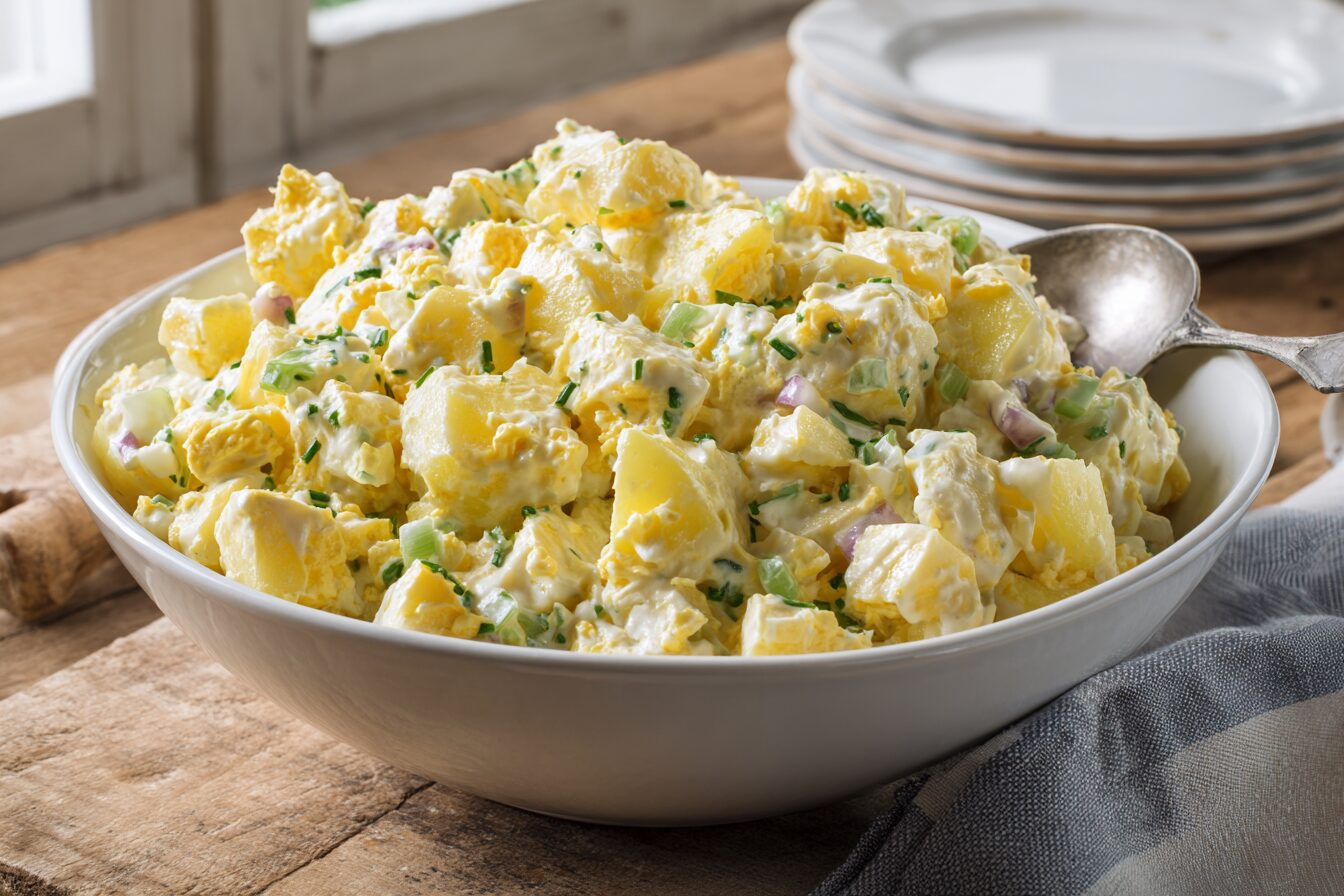
Classic Creamy Potato Salad
Course: Side DishCuisine: American8
servings20
minutes15
minutes280
kcalThis perfectly creamy potato salad stays firm, seasoned, and never turns out mushy or bland.
Ingredients
3 pounds Yukon gold potatoes, peeled and cut into 3/4-inch cubes
1 tablespoon kosher salt (for the boiling water)
4 large eggs
1 cup mayonnaise
2 tablespoons yellow mustard
1 tablespoon apple cider vinegar
1/2 cup diced celery (about 2 stalks)
1/3 cup diced red onion
Salt and black pepper to taste
Directions
- Place the cubed potatoes in a large pot and cover them with cold water by about one inch. Add 1 tablespoon of kosher salt to the water and stir briefly. Starting with cold water ensures the potatoes cook evenly from the outside in.
- Set the pot over high heat and bring it to a boil. Once boiling, reduce the heat to maintain a gentle simmer. Cook for 8 to 12 minutes, or until the potatoes are tender enough to pierce with a fork but not falling apart.
- While the potatoes cook, place the eggs in a separate small pot and cover with cold water. Bring to a boil, then cover the pot, remove from heat, and let sit for 10 to 12 minutes. Transfer the eggs to an ice bath for 5 minutes, then peel and chop them.
- Drain the cooked potatoes well and spread them out on a large rimmed sheet pan in a single layer. Let them cool for about 20 minutes at room temperature. This prevents the mayo dressing from breaking down or being absorbed too quickly.
- In a large mixing bowl, whisk together the mayonnaise, yellow mustard, and apple cider vinegar until smooth. This is the base of the dressing and can be adjusted to taste depending on personal preference for tang or creaminess.
- Add the cooled potatoes, diced celery, and diced red onion to the bowl with the dressing. Fold everything together gently using a rubber spatula or large spoon. Be careful not to stir too aggressively or the potato pieces will break apart.
- Gently fold in the chopped hard-boiled eggs. Season with salt and black pepper to taste. Give it one final gentle stir to make sure everything is evenly coated in the dressing.
- Cover the bowl with plastic wrap and refrigerate for at least 1 hour before serving. This chilling time lets all the seasonings come together and firms up the dressing. Give it a quick stir before serving and adjust salt and pepper if needed.
Notes
- Red potatoes can be used instead of Yukon gold. Leave the skins on for a more rustic look since they are thin enough to eat.
- For extra tang, add a tablespoon of dill pickle relish or a few tablespoons of chopped dill pickles to the dressing.
- This potato salad can be stored in the refrigerator in an airtight container for up to 3 days. Stir before serving as it may thicken slightly overnight.
- If the salad seems dry after chilling, stir in an extra tablespoon or two of mayonnaise to loosen it back up.
Frequently Asked Questions
Q: What is the best potato for potato salad?
A: Waxy potatoes like red thumb or French fingerling are the best because they hold their shape after boiling. Yukon gold potatoes are also a great all-purpose option. Avoid starchy potatoes like russets since they tend to fall apart during cooking and create a mushy result.
Q: Should potato salad potatoes be boiled whole or cut up first?
A: It’s better to cut the potatoes into even pieces before boiling. This helps them cook evenly and much faster. If the pieces are all about the same size, they’ll all be done at the same time, which prevents some from being overcooked while others are still hard.
Q: Can potato salad be made the day before serving?
A: Yes, and many people think it actually tastes better the next day after the seasonings have had time to come together in the fridge. Just store it in an airtight container and give it a good stir before serving. Add a little extra mayo if it looks dry.
Q: Why does my potato salad turn out dry?
A: This usually happens when the dressing is added to hot potatoes. The warm potatoes absorb all of the mayo, leaving nothing on the outside. Let the potatoes cool to room temperature before mixing in a mayo-based dressing. For vinaigrette-based potato salad, add the dressing while the potatoes are still warm.

