

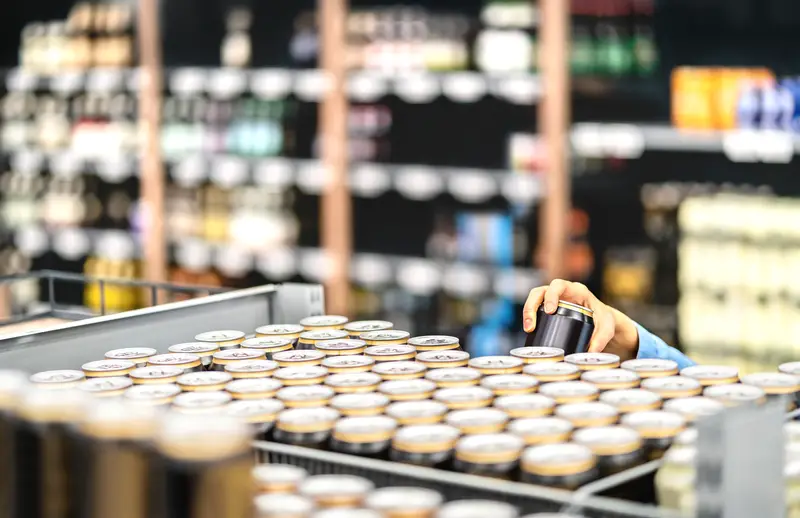
You walk into your local grocery store, head straight to the drink aisle, and find empty shelves where your favorite soda or beer should be. What’s going on? It turns out there are several surprising reasons why beverages have become harder to find in recent times. From gas prices to aluminum shortages, the story behind missing drinks is more complicated than most people realize. Here’s what you need to know about why your go-to beverages might be playing hide and seek.
Less driving means less carbon dioxide for drinks
Here’s something most people don’t think about when they skip their morning commute. When fewer cars hit the road, gas stations sell less fuel. That might sound like a good thing for the environment, but it creates a weird problem for your drinks. Ethanol is a type of fuel that gets mixed into gasoline, and when people buy less gas, companies make less ethanol. So what does fuel have to do with your can of cola? More than you’d ever guess.
When factories make ethanol, they also create carbon dioxide as a leftover product. This carbon dioxide is the same stuff that makes your soda fizzy and your beer bubbly. Without it, those drinks would be flat and pretty gross. Companies capture this CO2 and sell it to beverage makers. When ethanol production drops, there’s suddenly not enough fizz to go around. It’s like a domino effect that starts at the gas pump and ends at your refrigerator.
Most ethanol plants have cut back or stopped completely
The numbers are pretty shocking when you look at how many plants have shut down. Out of 45 ethanol plants in the United States that normally sell carbon dioxide, 34 of them stopped working or seriously cut back on production. That’s more than 75% of the facilities that usually keep our drinks bubbly. When that many plants close their doors, even temporarily, the effects ripple through the entire beverage industry fast.
Industry leaders have been sounding the alarm about this problem. Geoff Cooper, who leads the Renewable Fuels Association, told reporters that the situation is getting worse quickly. He said the supply is rapidly deteriorating and warned that things could get pretty disruptive for everyone. Without some kind of help to keep these facilities running, the carbon dioxide shortage could become even more serious. That means higher prices and fewer options on store shelves.
Prices have already gone up at the worst time
When something becomes rare, it usually becomes more expensive too. Carbon dioxide suppliers have already raised their prices by 25% because demand is higher than supply. For big companies like Coca-Cola or Budweiser, these extra costs add up fast. And guess who ends up paying for those higher costs? That’s right, regular shoppers like you and me. The price of your favorite six-pack or two-liter bottle is likely to creep up.
The timing couldn’t be worse for people watching their budgets. Grocery bills were already stretched thin for many families, and now drinks are getting more expensive on top of everything else. Some estimates suggested that CO2 supplies could fall by half within just a few weeks of the initial shortage reports. That kind of dramatic drop puts serious pressure on every company that needs carbonation to make their products.
Small breweries face the biggest struggles
If you love supporting local craft breweries, this news hits especially hard. Large companies like the ones making Bud Light or Pepsi have expensive equipment that can capture and recycle some of their own carbon dioxide. They built these systems years ago because it saves them money over time. But your neighborhood brewery? They probably don’t have a million-dollar CO2 capture machine sitting in the back room.
Craft breweries get almost half of their carbon dioxide from ethanol plants. When those plants stop production, small brewers have to scramble to find CO2 somewhere else. The machinery to capture their own carbon dioxide is way too expensive for most small operations. This means your favorite local IPA or seasonal ale might become harder to find. Some small breweries may have to slow down or even pause making beer until the supply situation improves.
Major soda brands are feeling the squeeze too
Even the biggest names in the beverage business aren’t immune to these problems. Coca-Cola, one of the largest soda companies on the planet, gets a significant amount of its carbon dioxide from overseas suppliers. When international shipping gets complicated, so does getting the ingredients they need. The company had to acknowledge that production delays were affecting their supply chain in ways they couldn’t fully control.
In official reports, Coca-Cola explained that their suppliers faced delays in production and export of key ingredients. While the company said they had short-term plans to keep products on shelves, long-term supply remained uncertain. PepsiCo has dealt with similar headaches. Both companies have said their supply chain troubles might continue well into the future. That’s not great news if Diet Coke or Mountain Dew is your daily drink of choice.
Aluminum cans have become incredibly hard to get
The carbon dioxide shortage is only part of the story. Even if beverage companies had all the fizz they needed, they’d still face another huge problem. Aluminum cans have become extremely scarce. Nearly three-quarters of all new drink products launched recently were packaged in aluminum cans. Everyone wants them, but there simply aren’t enough to go around. The demand has grown much faster than manufacturers can keep up.
According to industry reports, cans are sold out in North America for the next two to three years. Yes, you read that right. Companies looking to buy aluminum cans are being told they’ll have to wait until 2025 or 2026. That’s a long time to wait when you’re trying to run a beverage business. This shortage affects everything from energy drinks to sparkling water to your favorite craft beer.
It’s not just drinks that need carbon dioxide
Here’s where things get even more interesting. Carbon dioxide isn’t just for making drinks fizzy. The meat industry uses huge amounts of CO2 to process, package, and preserve meat products. When you buy a package of bacon or ground beef, there’s a good chance carbon dioxide helped keep it fresh during shipping. So the same shortage affecting your beer is also affecting your hamburger supplies.
Major meat companies have had to deal with this problem directly. Smithfield, one of the largest meat brands in the country, closed one of its processing plants due to related issues. The company’s CEO warned that the effects on the meat supply chain could be severe or even disastrous. Beer, soda, and bacon all competing for the same limited resource? That’s a recipe for empty shelves and frustrated shoppers across multiple aisles of the grocery store.
Trucking and shipping problems make everything worse
Even when companies manage to get the ingredients they need, getting products to stores has become its own nightmare. Trucking companies are dealing with driver shortages that make it hard to move goods across the country. Shipping containers are stuck at ports for weeks longer than normal. Weather problems have thrown additional wrenches into the system. Every link in the chain from factory to store shelf is experiencing some kind of delay.
Supply chain experts say that beverages face a 13% shortage rate compared to normal stock levels. That’s higher than the typical 5 to 10% shortage seen in other grocery categories. Waters, iced teas, soft drinks, spirits, and beers are all affected. Dr. Lisa Williams, who studies supply chains, explained that shortages in materials trickle down through the entire system until customers finally see empty spots on store shelves.
Smaller beverage companies are getting creative to survive
Not every company can absorb these kinds of hits to their supply chain. Smaller businesses have had to get creative just to keep their products available. Some have stocked up months in advance, buying as many bottles and cans as they could get their hands on. Others have switched packaging types or adjusted their production schedules. It’s survival mode for many independent beverage makers trying to stay afloat.
One small company called Casamar Club, which makes non-alcoholic drinks in Detroit, shared their experience. The owner said they bought extra supplies in early November to make sure they’d have enough for the busy holiday season. Even with that preparation, delays cost them about a month of sales, roughly 15% of what they expected to earn. Bottling delays and shipping problems ate into their profits significantly. Stories like this are playing out at small beverage companies all across the country.
The next time you find your favorite drink missing from the shelf, now you know why. A complicated web of fuel production, material shortages, and shipping delays all play a part. If you have a go-to local brewery or a beloved soda brand, it might be worth grabbing an extra pack when you see it in stock. These shortage issues have been building for a while, and they won’t disappear overnight. Being a little flexible with your drink choices might be the smartest move for now.

