

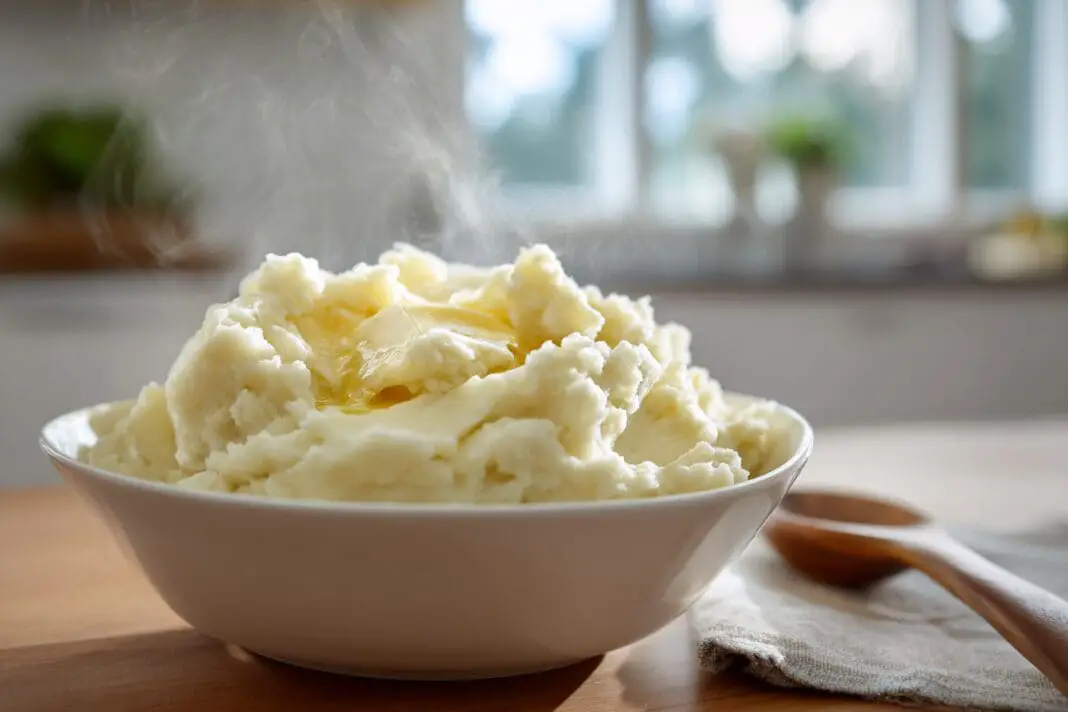
Ever wonder why the mashed potatoes at your favorite restaurant are so creamy and rich, while the ones in your kitchen turn out kind of… meh? It’s not magic, and it’s definitely not just luck. Restaurant chefs know a bunch of simple tricks that transform regular potatoes into something that tastes way better than what most of us make at home. The good news? Once you know what they’re doing differently, making restaurant-quality mashed potatoes in your own kitchen is totally doable.
Restaurants pick the right potatoes every single time
Not all potatoes are created equal when it comes to mashing. Some turn into fluffy clouds of deliciousness, while others become sticky paste that wouldn’t be out of place on a wallpaper project. Restaurant chefs almost always reach for Yukon Gold potatoes because they hit that sweet spot between starchy and waxy. These golden beauties give the perfect creamy texture without turning gluey. Russet potatoes work great too since they’re super starchy and create that light, fluffy mash everyone loves. The high starch content means they soak up butter and cream like nobody’s business, which is exactly what makes them taste so good.
Here’s what to avoid: red potatoes or any other waxy varieties. These potatoes have less starch and more moisture, which sounds good in theory but actually creates a gummy, paste-like texture when mashed. They’re fantastic for roasting or potato salad, but keep them far away from your masher. Stick with Yukon Golds if you want a buttery, smooth result, or go with Russets if you prefer something lighter and fluffier. Either way, choosing the right potato is the foundation of great mashed potatoes, and restaurants never skip this step.
Boiling potatoes with the skin on keeps them from getting waterlogged
Most people peel and chop their potatoes before tossing them in boiling water, but restaurants do it differently. They boil potatoes whole with the skins still on, which might seem weird at first. The reason? Potato skins act like a protective barrier that keeps excess water from seeping into the flesh. When potatoes get waterlogged, they become mushy and diluted, which means less potato taste and more bland water taste. Nobody wants that. Boiling them whole also helps the potatoes hold onto their natural nutrients and that earthy potato flavor that makes mashed potatoes taste like, well, potatoes.
Once the potatoes are cooked through, the skins slip off really easily. Just let them cool for a minute or two so you don’t burn your hands, then the skin practically peels itself off. Some people actually like leaving bits of skin in their mash for extra texture and a rustic look, which is totally fine too. The important thing is that boiling them with skins on prevents that watery, bland mash situation. This simple switch makes a massive difference in the final taste and texture, and it’s one of those restaurant secrets that’s super easy to copy at home.
Salting the boiling water properly changes everything
Think about how people always salt their pasta water to make the noodles taste better. The exact same principle applies to potatoes, but most home cooks forget this step entirely. Professional chefs add a generous amount of salt to their boiling water before the potatoes go in. The water should taste noticeably salty, almost like the ocean. This isn’t being wasteful with salt—it’s the only chance to season the inside of the potatoes themselves. Once they’re cooked and mashed, adding salt on top just isn’t the same as having that seasoning baked into every bite from the start.
For every baseball-sized potato, chefs recommend about a teaspoon of salt in the cooking water. That might sound like a lot, but remember that most of it stays in the water when the potatoes are drained. What matters is that the potatoes absorb just enough salt while cooking to taste amazing from the inside out. This creates a foundation of good seasoning that makes everything else taste better once the butter and cream get added. Skipping this step is one of the biggest reasons homemade mashed potatoes end up tasting flat and boring compared to restaurant versions.
Getting the cooking time exactly right matters more than people think
Timing is critical when boiling potatoes, and restaurants have this down to a science. Undercooked potatoes create lumps that refuse to mash properly, no matter how hard anyone tries. On the flip side, overcooked potatoes turn mealy and fall apart into a watery mess. The perfect potato is fork-tender but not mushy, which means a fork slides in easily but the potato doesn’t disintegrate. Testing with a sharp knife works even better—when a potato slides right off the blade without any resistance, it’s done.
The exact cooking time depends on how big the potatoes are, but generally plan for around 20 to 30 minutes of boiling for medium-sized whole potatoes. Starchy potatoes like Russets can become mealy if left in boiling water too long, so keep a close eye on them. The second they’re fork-tender, drain them immediately. Letting them sit in hot water even for a few extra minutes can ruin the texture. This attention to timing is something restaurants nail every single time, and it’s a habit worth developing at home too.
Using a potato ricer creates the smoothest texture possible
Most people grab a regular potato masher or even an electric hand mixer to mash their potatoes, but restaurants prefer a different tool altogether. A potato ricer looks kind of like a giant garlic press, and it pushes potatoes through tiny holes to create uniform, rice-sized pieces. This method breaks down the potatoes gently without overworking them, which keeps them light and fluffy instead of gummy. The ricer also incorporates air into the potatoes naturally, giving them that airy, cloud-like texture that feels fancy.
Electric mixers might seem convenient, but they’re actually the enemy of good mashed potatoes. Mixing potatoes at high speed releases way too much starch, turning them into glue. If a ricer isn’t in the budget or cabinet space is tight, a regular hand masher works fine too. The key is to mash gently and stop as soon as the potatoes are smooth. Overworking them in any way creates that paste-like consistency nobody wants. A food mill is another professional option that works similarly to a ricer, and either tool will get much closer to restaurant-quality results than any electric mixer ever could.
Draining potatoes thoroughly makes room for butter and cream
After draining the potatoes, most people just shake the colander a couple times and call it done. Restaurants take this step way more seriously because excess water is the enemy of rich, creamy mashed potatoes. One professional trick is to put the drained potatoes back into the empty pot and place it over medium-low heat for a minute or two. Stirring them gently with a wooden spoon helps steam escape and dries them out even more. Some chefs even pat them with paper towels to remove every last bit of moisture.
Why does this matter so much? Because potatoes can only absorb so much liquid. If they’re already full of water, there’s no room for butter and cream to soak in. By drying them out first, the potatoes become like little sponges ready to soak up all that rich, delicious fat. This is what creates that silky, luxurious texture restaurants are known for. It’s a simple extra step that takes maybe two minutes but makes a huge difference in how the final dish turns out. More room for butter and cream equals better-tasting mashed potatoes, plain and simple.
Restaurants use way more butter than anyone would guess
Here’s the truth that might shock some people: restaurant mashed potatoes use a 2-to-1 ratio of potatoes to butter. That means for every two pounds of potatoes, they’re adding one whole pound of butter. Yes, really. That’s what makes restaurant mashed potatoes taste so incredibly rich and smooth. At home, most people add a couple tablespoons of butter and call it good, but restaurants don’t hold back at all. They know that butter is what creates that velvety, luxurious texture and rich taste that keeps people coming back.
Heavy cream or whole milk gets added generously too, along with the butter. Some chefs even throw in sour cream or cream cheese for extra tang and richness. The point is that restaurants aren’t thinking about calories or being modest with ingredients—they’re focused entirely on making the best-tasting mashed potatoes possible. At home, nobody has to go quite that extreme, but definitely don’t be shy about adding more butter than seems normal. Start with half a stick per pound of potatoes and add more to taste. The difference in how they taste is honestly shocking.
Mashing hot potatoes right away keeps them fluffy
Timing matters when it comes to mashing too. Restaurants always mash their potatoes while they’re still piping hot, right after draining and drying them. Hot potatoes release steam as they’re being mashed, which helps excess moisture escape and keeps them light and fluffy. Letting potatoes cool down before mashing causes them to firm up and become dense, which creates a heavier, less appealing texture. Nobody wants dense mashed potatoes that sit like a brick in the stomach.
Mashing hot potatoes also helps the butter and cream blend in more smoothly. Cold butter on cold potatoes creates lumps that don’t want to incorporate, but hot potatoes melt the butter instantly and allow everything to mix together evenly. The heat also helps release those potato starches in just the right way to create creaminess without going overboard into gummy territory. Even if there are other dishes that need attention, make the mashed potatoes a priority once they come out of the boiling water. Those few minutes of working with them while hot make all the difference in the final result.
Seasoning in layers builds better taste throughout
Remember how restaurants salt the cooking water? That’s just the beginning of their seasoning strategy. Professional chefs taste their mashed potatoes constantly as they add ingredients, adjusting the salt little by little until it’s perfect. They also use way more salt overall than most home cooks would ever consider—about three to four times as much. This isn’t about making food taste salty, it’s about bringing out all the other tastes and making everything pop. Underseasoned mashed potatoes taste flat and boring, even if they have plenty of butter and cream.
Some chefs add extra ingredients to their butter and cream before mixing them in. Things like fresh thyme, rosemary, or smashed garlic cloves get simmered in the cream, then strained out before adding to the potatoes. This creates a subtle background taste that makes people wonder what makes these mashed potatoes so special. White pepper is another restaurant trick—it adds a peppery kick without creating visible black specks that mess up the pristine white appearance. The key is to season thoughtfully at every stage and taste constantly. Add salt gradually, mix it in, taste again, and adjust. This is how restaurants nail the perfect seasoning every time.
Making restaurant-quality mashed potatoes at home isn’t nearly as complicated as it might seem. The secret is really just about paying attention to details that most people skip: picking the right potatoes, boiling them whole with skins on in salty water, draining them thoroughly, using the right tool to mash, and not being shy with butter and salt. These aren’t fancy techniques that require professional training—they’re simple steps anyone can follow that happen to make a massive difference in how the final dish tastes and feels.
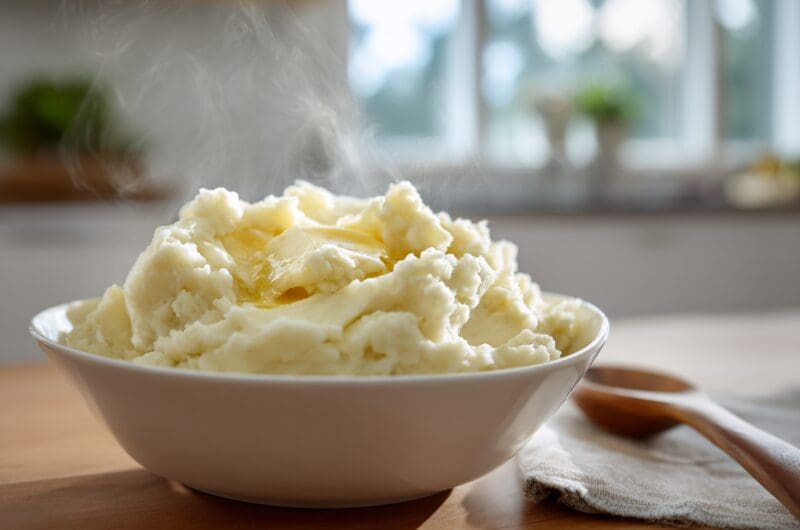
Restaurant-Style Creamy Mashed Potatoes
Course: Side DishesCuisine: American6
servings10
minutes25
minutes385
kcalSilky smooth mashed potatoes with tons of butter that taste exactly like what fancy restaurants serve.
Ingredients
3 pounds Yukon Gold potatoes (about 6 medium potatoes)
3 tablespoons kosher salt (for boiling water)
1 cup (2 sticks) unsalted butter, cut into pieces
1 cup heavy cream, warmed
1/2 cup whole milk, warmed
2 teaspoons kosher salt (for seasoning, plus more to taste)
1/2 teaspoon white pepper (or black pepper)
Directions
- Fill a large pot with cold water and add the whole, unpeeled Yukon Gold potatoes. Make sure the water covers the potatoes by at least an inch. Add 3 tablespoons of kosher salt to the water and stir to dissolve. Bring the water to a boil over high heat, then reduce to a steady simmer.
- Cook the potatoes for 20 to 30 minutes until they’re completely tender. Test by inserting a sharp knife into the center of a potato—it should slide off the blade easily with no resistance. Don’t overcook them or they’ll become waterlogged and mealy. Drain the potatoes immediately in a colander.
- While the potatoes are still hot, peel off the skins using a kitchen towel to protect your hands or let them cool for just a minute. The skins should slip right off. Return the peeled potatoes to the empty pot and place over medium-low heat for 1 to 2 minutes, stirring gently with a wooden spoon to help excess moisture evaporate.
- Working quickly while the potatoes are still hot, press them through a potato ricer back into the pot (or use a food mill, or mash thoroughly with a hand masher). Don’t use an electric mixer as it will make the potatoes gluey. Rice or mash until completely smooth with no lumps remaining, but don’t overwork them.
- Add the butter pieces to the hot mashed potatoes and stir gently until completely melted and incorporated. The heat from the potatoes will melt the butter easily. Make sure every piece of butter is fully mixed in before moving to the next step.
- Pour in the warmed heavy cream and milk gradually, stirring gently with a wooden spoon or rubber spatula. Add the liquid in batches rather than all at once, stirring after each addition until the potatoes reach your desired consistency. Some people prefer thicker mashed potatoes, while others like them looser and creamier.
- Season with 2 teaspoons of kosher salt and 1/2 teaspoon white pepper, then stir to combine. Taste the mashed potatoes and add more salt if needed—they should taste rich and well-seasoned, not bland. Remember that restaurants use much more salt than most home cooks expect, so don’t be shy.
- Serve the mashed potatoes immediately while they’re hot and creamy. Transfer to a serving bowl and if desired, make a well in the center and add an extra pat of butter that will melt into a golden pool. These mashed potatoes are best enjoyed right away, though they can be kept warm in a covered pot over very low heat for up to 30 minutes.
Notes
- Russet potatoes can be substituted for Yukon Golds if a fluffier, lighter texture is preferred. Avoid red potatoes or other waxy varieties as they become gummy when mashed.
- Warming the cream and milk before adding prevents the potatoes from cooling down too quickly and helps everything blend together smoothly.
- For extra richness, substitute half the butter with cream cheese or add 1/2 cup of sour cream along with the dairy. Some chefs infuse the cream with garlic, thyme, or rosemary before straining and adding to the potatoes.
- Leftover mashed potatoes can be refrigerated for up to 3 days and reheated gently on the stovetop with a splash of cream or milk. They can also be used for shepherd’s pie or twice-baked potato casseroles.
Frequently asked questions about restaurant-style mashed potatoes
Q: Can I make mashed potatoes ahead of time for a dinner party?
A: Mashed potatoes are definitely best served fresh, but they can be made a few hours ahead and kept warm. Transfer them to a heatproof bowl, cover tightly with plastic wrap, and place the bowl over a pot of barely simmering water. Stir occasionally and add a splash of warm cream if they start to thicken up. They can also be reheated gently on the stovetop with extra butter or cream.
Q: Why do my mashed potatoes turn out gummy sometimes?
A: Gummy mashed potatoes happen when the starches get overworked, usually from using an electric mixer or food processor, or from mashing them too aggressively for too long. Stick with a ricer, food mill, or hand masher, and stop as soon as the potatoes are smooth. Also make sure to use starchy potatoes like Russets or Yukon Golds instead of waxy varieties like red potatoes.
Q: Is it really necessary to use that much butter?
A: The 2-to-1 potato-to-butter ratio is what restaurants use to get that ultra-rich, silky texture. At home, the amount of butter can definitely be adjusted based on personal preference. Start with half a stick (4 tablespoons) of butter per pound of potatoes and add more to taste. The more butter added, the closer the results will be to what restaurants serve.
Q: Can I leave the skins on for a more rustic mashed potato?
A: Absolutely! Leaving some or all of the skins on adds nice texture, extra nutrients, and a homestyle appearance. Just make sure to scrub the potatoes really well before boiling since the skins will be part of the final dish. Yukon Gold skins are particularly thin and tender, making them perfect for skin-on mashed potatoes.

