

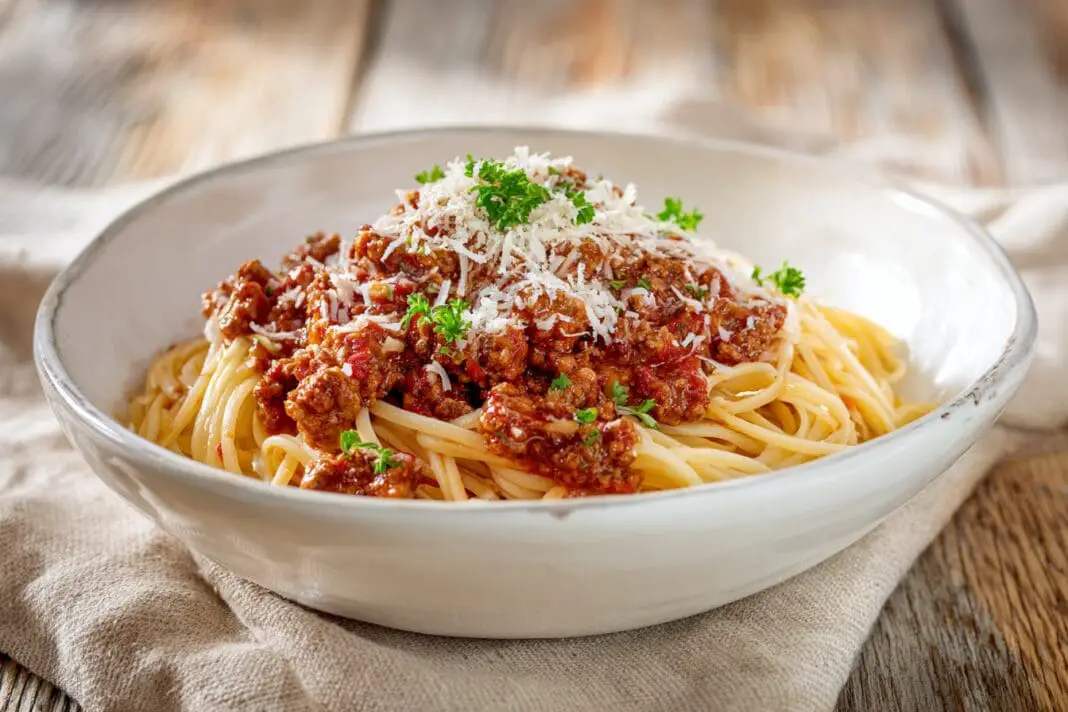
Sometimes you open a jar of spaghetti sauce expecting something decent, and it just tastes… flat. You know it needs something, but you’re not sure what. Before you start throwing random spices at it, there’s one condiment sitting in your fridge right now that can completely change the game. Worcestershire sauce might seem like an odd choice for Italian food, but this tangy, savory condiment brings a depth to marinara that’s hard to achieve any other way. It’s been quietly making sauces better for years, and most people have no idea it’s the secret ingredient.
Why Worcestershire sauce works so well in spaghetti
Most people think of Worcestershire sauce as something you shake on steak or mix into a Bloody Mary. But this fermented condiment actually has a complex ingredient list that makes it perfect for tomato sauce. It combines vinegar, molasses, anchovies, tamarind, garlic, and spices into one bottle. That combination brings sweet, salty, tangy, and savory notes all at once, which is exactly what a boring jar of marinara needs to taste more interesting and complete.
The real magic comes from those anchovies. They’re packed with natural glutamates, the same compounds that make foods taste savory and satisfying. When you add Worcestershire to your spaghetti sauce, you’re essentially adding concentrated umami without making your sauce taste fishy. The fermentation process mellows everything out, so what you get is just a rich, deep background taste that makes people wonder what you did differently. It’s like adding a layer of complexity without any extra work or fancy ingredients.
How much Worcestershire sauce to add
You don’t need to dump half the bottle in your sauce. Just one tablespoon of Worcestershire sauce is enough for a standard jar of spaghetti sauce. That’s really all it takes to make a noticeable difference without overpowering the tomato base. If you’re making a bigger batch or working with homemade sauce, you can adjust accordingly, but always start with less. You can taste and add more if needed, but you can’t take it out once it’s in there.
The best time to add it is when your sauce is simmering. Just pour in that tablespoon along with your other seasonings, stir it through, and let everything cook together for at least ten minutes. This gives the Worcestershire time to blend with the tomatoes and herbs instead of sitting on top as a separate taste. Some people like to add an extra tablespoon of sugar at the same time to balance out the acidity from both the tomatoes and the vinegar in the Worcestershire. It’s not required, but it does smooth everything out nicely.
Pairing Worcestershire with other ingredients
Once you’ve added Worcestershire to your sauce, you might want to build on that base with a few other additions. Smoked paprika works surprisingly well because it echoes the deep, slightly smoky notes that Worcestershire brings. Just half a teaspoon adds another dimension without making your sauce taste like barbecue. Cumin is another option if you want something a bit earthier, though it will shift your sauce in a slightly different direction. Either way, these spices complement the Worcestershire instead of competing with it.
Fresh garlic is another natural partner. Sure, your jarred sauce probably already has garlic powder in it, but adding a couple of minced fresh cloves while your sauce simmers makes a huge difference. The fresh garlic has a sharper, more distinct taste that wakes up the whole pot. If you’re browning meat for your sauce, throw the garlic in with the meat for a minute before adding your sauce. The combination of Worcestershire and garlic creates a savory foundation that makes even cheap jarred sauce taste homemade.
Finding vegan Worcestershire sauce options
If you’re vegetarian or vegan, traditional Worcestershire sauce is off the table because of those anchovies. Fortunately, several brands make versions without fish. Look for 365 Organic or Haddar in your grocery store. Both make plant-based Worcestershire that works the same way in your sauce. The main difference is they won’t have quite as much of that umami punch since anchovies are what really bring that savory depth.
To make up for the missing umami, you can add other plant-based ingredients that have similar compounds. Mushrooms are perfect for this, whether you dice them small and cook them into your sauce or just add a spoonful of mushroom paste. Nutritional yeast, tamari, or miso paste also work well. Even roasted tomatoes can boost the savory notes. Mix any of these with your vegan Worcestershire, and you’ll still get that deep, complex taste without any animal products in the mix.
Gluten-free Worcestershire sauce brands
Traditional Worcestershire sauce often contains malt vinegar, which comes from barley and has gluten. If you’re avoiding gluten, you need to check labels carefully. French’s makes a gluten-free version that’s easy to find in most supermarkets. The Wizard’s Gluten-Free Worcestershire Sauce is another reliable option. Both taste nearly identical to regular Worcestershire, so you won’t sacrifice anything by making the switch.
Lea & Perrins, probably the most famous Worcestershire brand, is gluten-free in the United States. However, if you’re buying it in another country, the formula might be different and could contain gluten. Always read the label to be sure. This is one of those situations where the same brand can vary depending on where it’s manufactured. If you’re cooking for someone with celiac disease or serious gluten sensitivity, it’s worth double-checking even if you’ve bought that brand before. Better safe than sorry when it comes to food allergies.
What makes Worcestershire different from soy sauce
Some people wonder if they can just use soy sauce instead of Worcestershire. While both are dark, salty condiments that add umami, they’re not really interchangeable. Soy sauce has a straightforward salty, savory taste with a strong fermented quality. Worcestershire is more complex because it has sweet notes from molasses, tanginess from vinegar and tamarind, and a subtle spice blend. In spaghetti sauce, soy sauce can make things taste a bit too Asian-inspired, which isn’t necessarily bad but isn’t what most people want from their Italian dinner.
That said, you can combine the two if you want. A splash of soy sauce along with Worcestershire can actually boost the savory depth even more. Just use less of each since they’re both pretty potent. Some cooks like to add a teaspoon of soy sauce and a tablespoon of Worcestershire to their sauce for maximum umami impact. It sounds weird, but taste it before you judge. Sometimes the best recipes come from unexpected combinations that sound wrong on paper but work perfectly on the plate.
Adding Worcestershire to meat sauce
If you’re making spaghetti with meat sauce, Worcestershire becomes even more valuable. Brown your ground beef or Italian sausage first, breaking it up as it cooks. When the meat is almost done but still has a little pink, add your minced garlic and Worcestershire sauce directly to the meat. Let it cook together for a minute or two before pouring in your tomato sauce. This way, the meat absorbs the Worcestershire, and every bite of your finished spaghetti has that deeper, richer taste.
The Worcestershire also helps season the meat more evenly than just salt and pepper alone. Since it’s liquid, it coats all the little pieces of ground beef instead of clumping in certain spots. Plus, that combination of meat and Worcestershire creates something similar to what happens when you make a good burger or meatloaf. Everything tastes more savory and satisfying. If you’re using meatballs instead of ground meat, you can either add Worcestershire to the meatball mixture before forming them or just rely on the sauce to do the work.
Using Worcestershire in other pasta dishes
Once you see how well Worcestershire works in spaghetti sauce, you might start looking for other places to use it. It’s great in any tomato-based pasta dish, like penne arrabbiata, rigatoni with vodka sauce, or baked ziti. Even if the recipe doesn’t call for it, a tablespoon stirred into the sauce before baking adds complexity. It also works in cream-based sauces, though you need to be more careful with the amount since cream sauces are more delicate.
You can also use Worcestershire in pasta dishes that don’t rely on sauce at all. If you’re making a simple olive oil and garlic pasta, add a teaspoon of Worcestershire along with your pasta water when you toss everything together. It gives the dish a backbone it wouldn’t have otherwise. Same goes for pasta salads. A splash in your vinaigrette makes the whole bowl more interesting. Worcestershire is one of those ingredients that’s way more versatile than people realize, and once you start experimenting, you’ll find dozens of ways to use it.
Storing Worcestershire sauce properly
Most people keep Worcestershire sauce in the fridge once it’s opened, and that’s fine. The cold temperature helps it last longer, and since it’s already fermented, it can stay good for several years if refrigerated. However, Worcestershire doesn’t actually need refrigeration to stay safe. The high vinegar and salt content preserve it naturally. If your fridge is crowded, you can keep it in the pantry without worry. Just make sure the cap is on tight and keep it away from heat.
Over time, Worcestershire sauce might develop some sediment at the bottom of the bottle. That’s normal and doesn’t mean it’s gone bad. Just shake it up before using. The taste might mellow slightly as it ages, but it won’t become dangerous to eat. If it smells off or looks moldy, then yes, toss it. But a bottle of Worcestershire can last way longer than most condiments. It’s one of those things you can buy once and use for years, which makes it a pretty good value for something that improves so many different dishes.
Next time you open a jar of spaghetti sauce that tastes boring, remember that bottle of Worcestershire hiding in your fridge door. Just one tablespoon changes everything without adding extra work or weird ingredients. It’s a simple trick that makes people think you’re a better cook than you actually are, which is really the best kind of cooking hack there is.
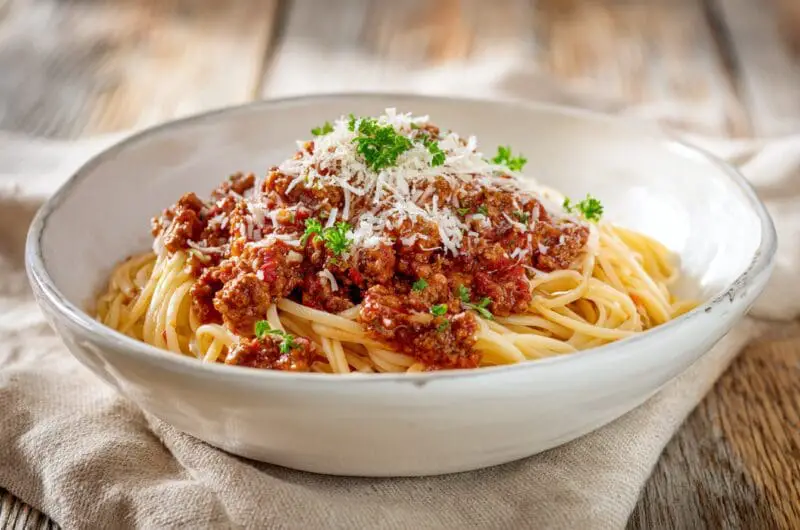
Worcestershire-enhanced spaghetti sauce
Course: Dinner RecipesCuisine: Italian4
servings5
minutes25
minutes320
kcalTransform boring jarred sauce into something restaurant-worthy with this simple enhancement.
Ingredients
1 pound spaghetti pasta
1 pound ground beef or Italian sausage
1 jar (24 ounces) spaghetti sauce
1 tablespoon Worcestershire sauce
1 tablespoon granulated sugar
3 cloves garlic, minced
½ teaspoon smoked paprika (optional)
2 tablespoons olive oil
Grated Parmesan cheese for serving
Directions
- Bring a large pot of salted water to a boil for the spaghetti. While waiting for the water to boil, heat the olive oil in a large skillet over medium-high heat. The oil should shimmer but not smoke when it’s ready for the meat.
- Add the ground beef or sausage to the skillet, breaking it apart with a wooden spoon as it cooks. Let it brown for about 5-7 minutes, stirring occasionally to ensure even cooking. When the meat is almost done but still has a bit of pink, add the minced garlic and cook for another minute until fragrant.
- Pour the Worcestershire sauce directly over the meat and garlic mixture, stirring to coat everything evenly. Let it cook for about one minute so the meat absorbs the Worcestershire. You’ll notice the kitchen starting to smell really good at this point.
- Add the jarred spaghetti sauce to the skillet along with the sugar and smoked paprika if using. Stir everything together and reduce the heat to medium-low. Let the sauce simmer for at least 15 minutes, stirring occasionally to prevent sticking.
- While the sauce simmers, cook the spaghetti according to package directions. Most pasta needs about 8-10 minutes in boiling water. Drain the pasta when it’s al dente, saving about one cup of the pasta water before draining.
- Taste your sauce and adjust the seasoning if needed. Add salt, pepper, or an extra splash of Worcestershire if you want more depth. If the sauce seems too thick, stir in a few tablespoons of the reserved pasta water to loosen it up.
- Add the drained spaghetti directly to the sauce in the skillet and toss everything together. This helps the pasta absorb some of the sauce instead of just sitting underneath it. Toss for about a minute until the pasta is well coated.
- Serve immediately with grated Parmesan cheese on top. You can also add fresh basil or a drizzle of good olive oil if you have it. The sauce will thicken as it sits, so serve it right away for the best texture.
Notes
- For a vegetarian version, skip the meat and add mushrooms or your favorite vegetables instead. The Worcestershire still works great without meat.
- If using vegan Worcestershire sauce, boost the umami by adding a tablespoon of tomato paste or nutritional yeast to the sauce.
- Leftovers keep in the fridge for up to four days and actually taste better the next day after the Worcestershire has more time to blend with the sauce.
- You can make the sauce ahead and freeze it for up to three months. Just thaw and reheat when you’re ready to eat.
Frequently asked questions
Q: Can I taste the Worcestershire sauce in my spaghetti?
A: Not directly. You won’t taste Worcestershire as a separate thing, but you’ll notice your sauce tastes richer and more complex overall. It works in the background to enhance everything else rather than standing out on its own.
Q: Will Worcestershire sauce make my spaghetti taste like steak sauce?
A: No. When mixed with tomato sauce and other ingredients, Worcestershire just adds depth and umami. The tomatoes are still the dominant taste. It’s nothing like pouring steak sauce on pasta.
Q: Can I use this trick with homemade sauce too?
A: Absolutely. Worcestershire works just as well in homemade marinara as it does in jarred sauce. Add it when you add your other seasonings and let everything simmer together for the best results.
Q: What if I accidentally add too much Worcestershire?
A: If your sauce tastes too tangy or intense, add a bit more sugar and let it simmer longer. You can also add more tomato sauce to dilute it. Start with less next time since a little goes a long way.

