

Picture ordering a perfectly cooked steak and getting a tough, flavorless piece of meat instead. Not all steakhouse chains are created equal, and some consistently disappoint customers with poor food quality, terrible service, and outdated atmospheres. While some chains excel at delivering exceptional dining experiences, others have earned reputations for letting diners down when they need it most. Understanding which steakhouse chains to avoid can save both money and the disappointment of a ruined special occasion.
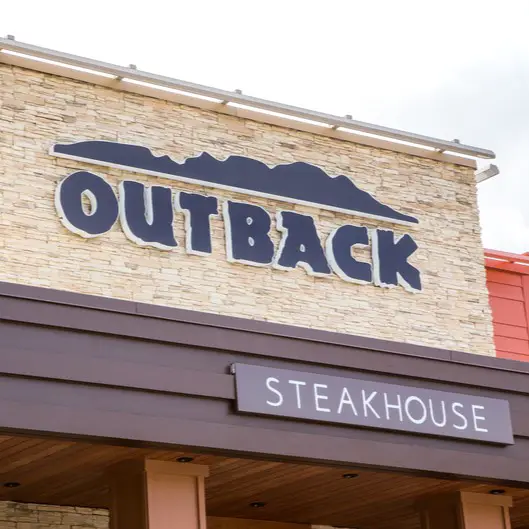
Outback Steakhouse gets the most complaints
When food enthusiasts were asked to vote for the worst steakhouse chain, Outback Steakhouse topped the list. The main issue stems from their beef quality, as they use USDA Choice grade meat instead of the premium USDA Prime that high-end steakhouses serve. This lower grade results in less marbling, which means the steaks often turn out tough and dry. Despite being called a steakhouse, Outback is actually better known for their Bloomin’ Onion appetizer, which says something about their steak quality.
The chain’s fake Australian theme adds to the frustration for many diners. Created in Tampa, Florida in 1988, none of the founders had ever visited Australia, and the menu items aren’t authentically Australian despite having names like Kookaburra wings. The biggest complaint from customers involves inconsistent cooking, with many reporting steaks that arrive rare when ordered medium, or well-done when requested medium. This inability to meet basic cooking requests has frustrated countless diners who expected a properly prepared meal.
Sizzler has fallen from its glory days
Sizzler once dominated the casual dining scene in the 1980s and 1990s, but the chain has struggled to maintain relevance in today’s restaurant landscape. What was once a popular family destination with over 600 locations has shrunk to around 75 restaurants across the United States. The chain now focuses more on their all-you-can-eat salad bar than their beef offerings, serving only three types of steaks: ribeye, New York strip, and tri-tip sirloin. This limited selection reflects their shift away from being a true steakhouse.
Many longtime customers feel disappointed when they return to Sizzler expecting the quality they remembered from decades past. Reviews consistently mention tough, chewy steaks that lack the tenderness expected from a proper steakhouse. Former patrons often comment that the portions have gotten smaller while the quality has declined significantly. The restaurant’s casual counter-service model, where customers order at the counter and wait for food delivery, doesn’t provide the dining experience most people want when craving a good steak dinner.
Ponderosa struggles with outdated business model
Ponderosa represents a cautionary tale of a chain that failed to evolve with changing times. During the 1990s, this steakhouse chain operated over 700 locations worldwide, but now only a handful remain in the United States. The restaurant never moved away from its all-you-can-eat buffet concept, which feels incredibly dated in today’s dining landscape. Most locations feature shabby interiors that haven’t been updated in decades, creating an unwelcoming atmosphere that drives away potential customers before they even try the food.
The food quality at Ponderosa has become notorious among food critics and regular diners alike. Professional reviewers describe sirloin tips that are undercooked and loaded with fat, while sides like mac and cheese taste like pasta mixed with yellow water. The buffet items often sit under heat lamps for extended periods, resulting in dried-out food that lacks freshness. Even the fries arrive cold and limp, though some diners note that seasoned salt helps mask their poor quality.
Sirloin Stockade offers poor value despite low prices
Sirloin Stockade operates just nine locations across the South and Midwest, and their scarcity might be a blessing for potential diners. This all-you-can-eat steakhouse chain attempts to compete on price, offering affordable buffet options that include steak, fried chicken, and salads. However, the low prices come at a significant cost to food quality, service standards, and overall dining experience. Most locations receive consistently poor reviews that warn potential customers to spend their money elsewhere.
Customer complaints about Sirloin Stockade are particularly harsh, with many describing it as one of the worst dining experiences they’ve encountered. Diners report steaks the size of baby shoes that are impossibly tough to cut, even with steak knives. The salad bar items are frequently spoiled, with cottage cheese and other perishables left out beyond safe consumption periods. Even after customers alert staff about spoiled food, management often leaves the items available for other guests, raising serious food safety concerns.
Hoss’s Family Steak and Sea disappoints in limited markets
Hoss’s Family Steak and Sea operates primarily in Pennsylvania with around 30 locations, plus one restaurant in West Virginia, making it a regional disappointment rather than a national concern. The chain attempts to create a nostalgic family atmosphere with rustic decor featuring taxidermied animals, historic photographs, and various collectibles scattered throughout the dining rooms. While this theme might appeal to some families, the food quality fails to live up to even modest expectations for a steakhouse experience.
The pricing at Hoss’s doesn’t match the quality of food being served, leaving customers feeling cheated after their meals. Customer reviews frequently mention filet mignon that tastes subpar despite the premium price point. Many diners struggle to cut through their steaks even with proper steak knives, indicating serious problems with meat quality and preparation. The steaks often arrive overcooked regardless of how customers request them, and the meat frequently has an unpleasant taste that suggests poor storage or handling practices.
Common problems across failing steakhouse chains
Several patterns emerge when examining the worst-performing steakhouse chains in America. Most of these restaurants rely on lower-grade beef, typically USDA Choice instead of the USDA Prime that premium steakhouses use. This cost-cutting measure results in less marbled meat that tends to be tougher and less flavorful when cooked. Additionally, these chains often struggle with basic cooking techniques, consistently failing to deliver steaks cooked to customer specifications. Whether someone orders rare, medium, or well-done, these restaurants frequently miss the mark.
Training issues and high staff turnover contribute significantly to these chains’ poor performance. Kitchen staff at these restaurants often lack the skills necessary to properly prepare steaks, while servers frequently provide inattentive or unprofessional service. Many locations also suffer from deferred maintenance and outdated decor that creates an unwelcoming atmosphere. The combination of poor food quality, inadequate service, and uninviting environments creates a perfect storm of customer dissatisfaction that drives people away from these establishments.
Why some steakhouses fail while others succeed
The difference between successful and failing steakhouse chains often comes down to their commitment to quality ingredients and proper preparation methods. Successful chains invest in premium USDA Prime beef, age their steaks properly, and train their kitchen staff to cook meat consistently to customer specifications. They also maintain high standards for their dining environments, regularly updating decor and ensuring clean, welcoming spaces. Most importantly, they price their meals appropriately for the quality they provide, rather than trying to compete solely on low prices.
Failing steakhouse chains typically make the mistake of cutting costs in areas that directly impact the customer experience. They purchase cheaper cuts of meat, skimp on training programs for staff, and neglect facility maintenance to boost short-term profits. These cost-cutting measures inevitably backfire as customers notice the decline in quality and choose to spend their money at better establishments. The restaurant industry is particularly unforgiving when it comes to food quality, and steakhouse customers have especially high expectations given the premium prices they pay.
Red flags to watch for when choosing steakhouses
Several warning signs can help identify potentially disappointing steakhouse chains before spending money on a meal. Restaurants that focus heavily on non-steak menu items, like extensive appetizer selections or salad bars, often indicate that their steak quality isn’t strong enough to stand on its own. Chains that advertise rock-bottom prices should also raise suspicions, as quality beef and proper preparation require significant investment. Additionally, outdated or poorly maintained dining rooms suggest management isn’t investing in the overall customer experience.
Online reviews provide valuable insights into a steakhouse chain’s consistency and quality across different locations. Patterns of complaints about tough meat, incorrect cooking temperatures, or poor service indicate systemic problems rather than isolated incidents. Restaurants that don’t specify their beef grades or sourcing information on their websites or menus might be trying to hide lower-quality ingredients. Finally, chains with declining numbers of locations often signal underlying business problems that typically manifest as reduced food quality and service standards.
Better alternatives exist for steak lovers
Rather than risking disappointment at these problematic chains, steak enthusiasts have numerous better options available. Many independent steakhouses offer superior quality and service compared to struggling chain restaurants, often at competitive prices. Even among chain restaurants, several consistently deliver excellent steak experiences with proper cooking techniques, quality ingredients, and attentive service. These establishments understand that customers paying premium prices for steak dinners expect exceptional experiences that justify the cost.
The key to finding great steak restaurants lies in research and realistic expectations about pricing. Quality steakhouses invest in premium ingredients, skilled preparation, and excellent service, which necessarily results in higher menu prices. However, paying more for a properly cooked, high-quality steak provides much better value than spending less money on a disappointing meal that ruins a special occasion. Reading recent reviews, checking beef grades and sourcing information, and choosing restaurants with strong reputations helps ensure a satisfying dining experience.
Avoiding these disappointing steakhouse chains can save money and prevent ruined special occasions. The patterns of poor food quality, inconsistent cooking, and declining service standards make these restaurants poor choices for anyone seeking a quality steak dinner. Instead, choosing restaurants with strong reputations for quality ingredients and proper preparation ensures a much more satisfying dining experience worth the investment.

