

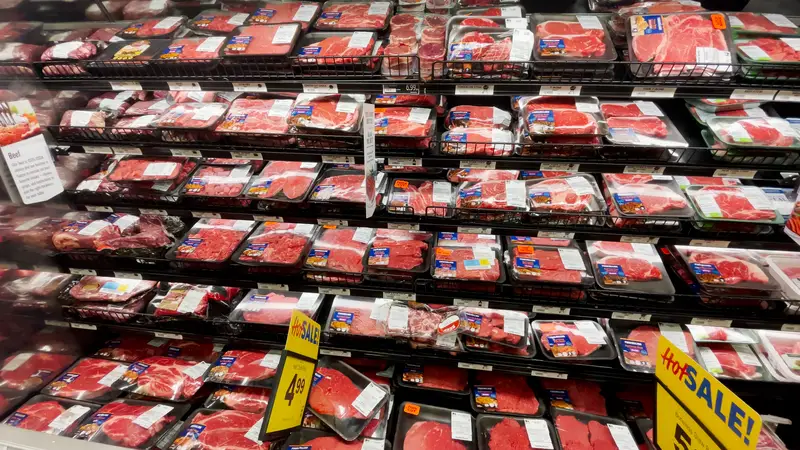
Most people grab meat whenever they happen to be at the store. But here’s something interesting: timing matters more than you think when it comes to buying meat. The day you shop and even the time you arrive can affect both the quality and price of what ends up in your cart. Knowing when to buy and when to skip can save you real money and help you get fresher cuts every single time.
Sunday shopping might be your biggest mistake
Sunday seems like the perfect day to stock up for the week ahead. Everyone has time off, the house is calm, and meal planning feels easier. But Sunday is actually one of the worst days to buy meat at most grocery stores. The reason is simple: most stores receive their fresh meat deliveries during the middle of the week. By Sunday, you’re looking at meat that’s been sitting in the case for several days. It might still be within its sell-by date, but it’s not at its freshest.
Think about what happens at a typical store. Trucks roll in on Tuesday, Wednesday, or Thursday with fresh product. The meat department stocks their cases, and shoppers grab the good stuff all week long. By the time Sunday rolls around, you’re picking through what’s left. This doesn’t mean the meat is bad or unsafe. It just means you’re not getting the best selection or the freshest options available. Timing your shopping a bit differently can make a real difference.
Monday meat is often weekend leftovers
Monday seems like a fresh start to the week, right? Not exactly when it comes to the meat counter. Most grocery stores don’t receive major deliveries over the weekend. That means Monday’s meat selection is basically what was left from Friday, Saturday, and Sunday. The butchers might rearrange things and make the case look nice, but the product itself is the same stuff that’s been there for days. So if freshness matters to you, Monday shopping has its drawbacks too.
Here’s another thing to consider about Mondays. Some stores use this day to grind up older cuts into ground beef or turn them into marinated items. There’s nothing wrong with that practice. It’s actually a smart way to reduce waste. But if you’re looking for a beautiful steak or a specific cut for a special dinner, Monday might leave you disappointed. The best pieces often got snatched up over the weekend when stores were busiest and families were shopping together.
Markdowns happen every single day
A lot of people think stores only mark down meat on certain days of the week. They’ll ask workers or search online trying to find that magic markdown day. But according to people who actually work at grocery stores, meat, dairy, and produce get marked down daily. It happens throughout the week, not just on one specific day. This means you don’t have to wait for a particular day to find deals on meat that’s approaching its sell-by date.
The pattern usually follows the sell-by dates rather than a set schedule. As products get closer to their expiration, they get those yellow stickers or red clearance tags. At many stores, this happens the day before the sell-by date. So instead of hunting for a markdown day, smart shoppers check the dates on packages and look for items that are about to expire. Those are the ones most likely to have price reductions, no matter what day of the week it is.
Early morning is when the deals appear
Want to score the best marked-down meat? Set your alarm. Markdowns typically happen in the morning when overnight or early shift workers go through the meat case. They check dates, pull items that are close to expiring, and slap on those reduced price stickers. If you show up at noon or later, other shoppers have already grabbed the good deals. Early birds really do get the worm here, or in this case, the discounted ribeyes.
This morning routine applies to most major grocery chains. Whether you shop at Walmart, Kroger, Safeway, or regional stores, the process is pretty similar. Workers come in early, check the dates, and mark things down before the store gets busy. Being there when the store opens, or shortly after, gives you first pick of the reduced items. And those marked-down meats can go fast, especially in stores where budget-conscious shoppers know the routine and show up consistently.
Mid-week shopping gets you fresher cuts
If freshness is your main goal, aim for Tuesday through Thursday shopping trips. This is when most grocery stores receive their meat deliveries. The cases get restocked with brand new product that just came off the truck. You’ll have the best selection of cuts, the meat will look better, and it will last longer once you get it home. Mid-week shopping is basically like hitting the reset button on the meat department.
Wednesday tends to be particularly good at many stores. It’s far enough into the week that deliveries have arrived but early enough that weekend shoppers haven’t picked through everything. The meat department staff have had time to properly stock and organize their cases. Plus, stores are usually less crowded on Wednesday, so you can actually take your time looking at different cuts without someone waiting impatiently behind you. It’s a nice change from weekend chaos.
Some stores handle meat better than others
Not all grocery stores treat their meat departments the same way. Some chains are known for excellent quality control and proper handling. Others have been called out for practices that could affect quality. This matters because even if you shop on the perfect day at the perfect time, a store with poor standards can still let you down. Paying attention to how your local store maintains its meat section is worth the effort.
Look for stores where the meat case is clean and well-organized. The products should be properly labeled with clear dates. Staff should be available and knowledgeable if you have questions. Temperature matters too, so the case should feel cold when you reach in. If a store seems messy, understaffed, or the meat looks dried out, consider shopping somewhere else. Sometimes paying slightly more at a better-maintained store is worth it for peace of mind.
Produce markdowns follow similar patterns
Interestingly, produce follows similar markdown patterns to meat. Items get reduced the day before their best-by date. This happens daily, not on a specific day of the week. So if you’re already in the store hunting for meat deals, swing by the produce section too. You might find perfectly good fruits and vegetables at reduced prices. They make great additions to whatever meat you’re planning to cook.
The timing works out nicely for meal planning. Grab marked-down meat and reduced produce on the same trip. Use them that day or the next for a meal that costs a fraction of full price. The food is still completely fine to eat. It’s just closer to its peak freshness date. Stores would rather sell it at a discount than throw it away, and shoppers benefit from lower prices on items that need to be used soon anyway.
Freezing marked-down meat extends your savings
Here’s where the real savings come in. When you find marked-down meat, buy more than you need for one meal and freeze the rest. That discounted steak that’s on its sell-by date today will be just fine in your freezer for months. This strategy lets you stock up when prices are low without any waste. You’re basically building a personal meat reserve at budget prices.
Proper freezing makes all the difference. Wrap the meat tightly or use freezer bags to prevent freezer burn. Label everything with the date so you know how long it’s been stored. Most meats keep well in the freezer for three to six months without losing quality. When you’re ready to cook, move the meat to the refrigerator the day before and let it thaw slowly. This method works for everything from chicken breasts to pork chops to ground beef.
Building a relationship with your butcher helps
Even at big chain stores, getting to know the people who work the meat counter can pay off. They know when deliveries come in. They know which cuts are freshest. Some will even set aside items for regular customers or give you a heads up when something good is about to be marked down. A little friendliness goes a long way in the meat department.
Don’t be afraid to ask questions. Most meat department workers are happy to help customers who show genuine interest. Ask when they typically get deliveries. Ask which days the selection is best. Ask about upcoming sales or special orders. You might learn things that aren’t obvious just from browsing the case. And if you become a familiar face, you’ll likely get better service and insider tips that other shoppers miss out on entirely.
Shopping for meat doesn’t have to be complicated, but a little knowledge goes a long way. Avoid Sundays and Mondays when possible, show up early for markdowns, and aim for mid-week trips when freshness matters most. Talk to the staff, learn your store’s patterns, and don’t be afraid to freeze good deals when you find them. These simple changes can save you money and get better quality meat on your table week after week.

