

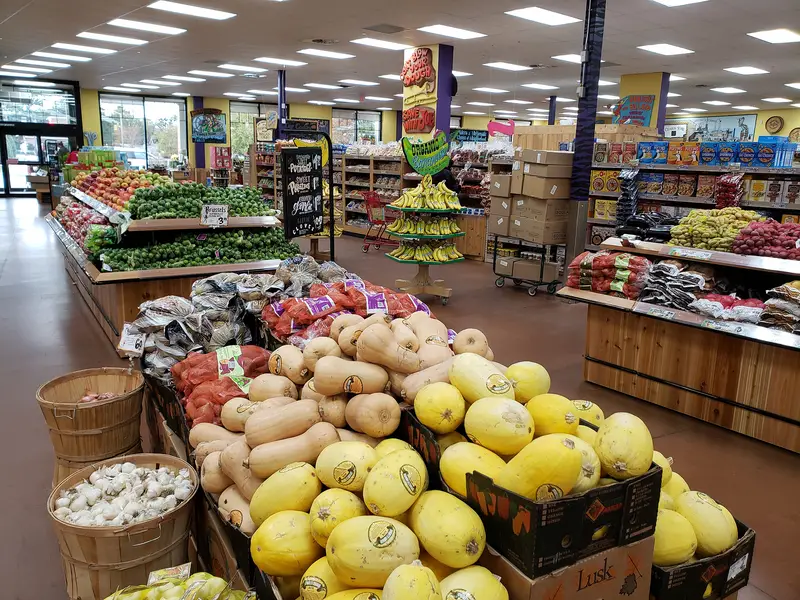
I love Trader Joe’s. I say that upfront because what follows might sound like I’m trashing the place, and I’m not. TJ’s is one of the few grocery stores that actually feels fun to walk into. The samples, the Hawaiian shirts, the seasonal stuff that makes you buy things you absolutely do not need — it’s a whole experience. But here’s the thing: not everything behind those hand-painted signs is a winner. Some products get returned so often that employees could probably write the refund slip in their sleep.
Thanks to Trader Joe’s famously generous return policy — their motto is basically “We tried it. We like it. If you don’t, bring it back” — people aren’t shy about bringing stuff back. And when you track what gets returned most often across Reddit threads, social media complaints, and employee reports, a pretty clear pattern emerges. Here are the items you should think twice about tossing in your cart.
Bread Products That Mold In Two Days Flat
If you’ve ever bought a loaf of bread at Trader Joe’s and found it growing a fuzzy green colony by Wednesday, you’re not alone. Bread is one of the most frequently returned items at TJ’s, and the reason is simple: no preservatives. That sounds great on a label, but in practice it means your bread, bagels, and pitas can go bad in as few as two days after purchase. Even the brownies have a shockingly short window before they turn.
The fix isn’t complicated, but most people get it wrong. Sticking bread in the fridge actually makes it go stale faster. Freezing is the move. Just don’t thaw the entire loaf at once — pull out what you need, toast it, and keep the rest frozen. If you’re someone who takes four days to finish a loaf, you’ll want to get into this habit immediately or just accept that TJ’s bread isn’t for you.
Milk That Expires Before You Get Through Half The Carton
Regular cow’s milk from Trader Joe’s has a reputation for spoiling faster than people expect. Shoppers on Reddit have reported cracking open a carton well before the printed date and getting hit with a sour smell. Even the oat milk gets returned, though that’s more about texture complaints than spoilage.
There are a few workarounds that actually help. Buying half-gallons instead of full gallons is the obvious one — less milk means you use it faster. Switching to lactose-free milk is another trick, since the ultra-pasteurization process those brands use gives them a much longer shelf life. Organic whole milk tends to last longer for the same reason. And always, always check the expiration date before it goes in your cart. Grab from the back of the shelf where the freshest cartons sit.
Cheese That Goes Moldy Within Days
A Trader Joe’s employee confirmed that moldy cheese returns are “fairly common.” Shoppers report buying cheese and finding mold within days, sometimes before the sell-by date. The problem often comes down to how TJ’s packages its cheese — tight plastic wrap traps moisture, which is basically an open invitation for mold.
If you’re a cheese person (and who isn’t), try repackaging your TJ’s cheese as soon as you get home. Swap the plastic wrap for waxed paper, parchment paper, or a glass container. It lets the cheese breathe without drying out. It’s an extra step, sure, but it beats throwing away a $6 block of cheddar three days after you bought it.
Meat That Goes Bad Before You Can Cook It
This one is rough. One shopper reported five consecutive meat purchases going bad within two days. Five in a row. At that point, it’s not bad luck — it’s a pattern. Raw chicken breasts in particular get hit with industry-wide problems like “woody breast” (tough, pale meat from commercially bred chickens) and “spaghetti meat,” where the chicken literally looks stringy and falls apart in visible strands.
The one bright spot: customers report better luck with prepared and seasoned meats compared to plain cuts. And if you do need to return spoiled meat, you don’t even have to bring the gross package back. A photo of the label with the price, the UPC code, or your receipt is enough. Just walk in and tell the crew member what happened.
Produce That Rots Faster Than Anywhere Else
This is maybe the single most universal Trader Joe’s complaint. Their produce seems to spoil faster than the same items from other stores, and the reason comes down to one thing: plastic packaging. Most grocery stores display fruits and vegetables loose in open bins so they can breathe. TJ’s pre-packages a huge amount of its produce in sealed plastic bags and containers. That trapped moisture and lack of air circulation speeds up decomposition.
Avocados go from rock-hard to brown mush in what feels like hours. Bagged spinach can develop a funky smell almost immediately after opening. Pre-cut fruit is one of the most regretted buys — once fruit is cut and sealed in plastic, it softens, gets watery, and loses flavor fast. If you need produce that will last more than a couple days, you’re probably better off grabbing it somewhere else and saving TJ’s for the frozen stuff and snacks.
Frozen Beef Pho Soup
If there’s one product that seems universally despised by the TJ’s internet community, it’s the frozen beef pho soup. Multiple reviewers across Reddit called it the single most consistently hated product the store sells. One commenter said it was “for people who haven’t actually tried pho and have nothing to compare it with.” Others compared the beef to dog food. The broth was described as tasting like “dirty water” — just completely flavorless. Even the container itself got complaints for being flimsy. If you’re craving pho, hit up a restaurant or your local Asian grocery store. This one isn’t it.
Filipino Style Chicken Adobo
This frozen meal should have been great on paper — chicken adobo is one of the most beloved dishes in Filipino cooking. But TJ’s version landed with a thud. Reddit user u/Initial_Savings8733 described it as “Zero flavor, texture like dog food. Inedible.” The sauce was watery and soupy, nothing like actual adobo. A TikTok reviewer dug into the ingredients and found unexpected additions like mushroom base and celery seed — not exactly traditional. The rice was either undercooked and dry or mushy depending on your luck. There was no middle ground.
Vegetable Pad Thai
The frozen vegetable pad thai has a specific, well-documented problem: bean sprouts. So many bean sprouts. A Reddit user posted a photo showing the pile of bean sprouts was the same size as all the other ingredients combined. Another user confirmed that “they overload every single package with bean sprouts.” Beyond the sprout situation, the noodles were mushy and the sauce was overly sweet. One Instagram food reviewer gave it a single star. When your frozen pad thai is basically a $4 bag of bean sprouts with some noodles hiding underneath, people are going to bring it back.
Canned Turkey Chili With Beans
Trader Joe’s canned goods are a weaker category in general, and the turkey chili is the poster child. Reviewers called it among “the worst or second worst chili I have ever tasted.” The complaints are specific: too much sugar (not a traditional chili ingredient by any stretch), an overwhelming amount of tomato sauce, and a weird paste-like texture instead of the chunky consistency you’d expect from chili. For something that should be one of the easiest canned foods to get right, this one misses badly.
The Frozen Recall Problem You Need To Know About
Beyond taste complaints, there’s a more serious issue. In early 2026, Trader Joe’s was caught up in one of the largest food recalls in recent memory. Supplier Ajinomoto Foods recalled over 3.3 million pounds of frozen chicken fried rice products in February. By March, that expanded to over 33 million additional pounds of fried rice, ramen, and shu mai dumplings distributed across 43 states. The reason? Potential glass contamination.
Specific Trader Joe’s products affected included the Chicken Fried Rice, Vegetable Fried Rice, Japanese Style Fried Rice, and Chicken Shu Mai — all with best-by dates stretching into 2027. No injuries were confirmed, but customers were told to throw affected products away or return them for a full refund. This followed multiple Listeria-related recalls in 2024, including one affecting over ten million pounds of chicken products. Public health groups have warned that frequent recalls might be the “new normal” for TJ’s.
How To Actually Return Stuff At Trader Joe’s
Here’s the good news in all of this: Trader Joe’s return policy is absurdly generous. You can bring back a half-eaten box of crackers or a frozen entree you took two bites of. No receipt? You’ll probably get store credit instead of cash, but they’ll still take it back. You can even return items to a different location than where you bought them.
Wine and beer can be returned too, even if you drank some. Just bring the empty bottle or a photo of the barcode. (The exception: California and some other states have laws restricting alcohol returns, so check your local rules.) For spoiled items, a photo of the package or the UPC label is enough — nobody expects you to haul rotten chicken into the store. The crew member might ask why you’re returning something, but that’s just for feedback purposes. You don’t owe them an explanation. And honestly, if you buy something from this list and hate it, take advantage of that policy. That’s literally what it’s there for.

