

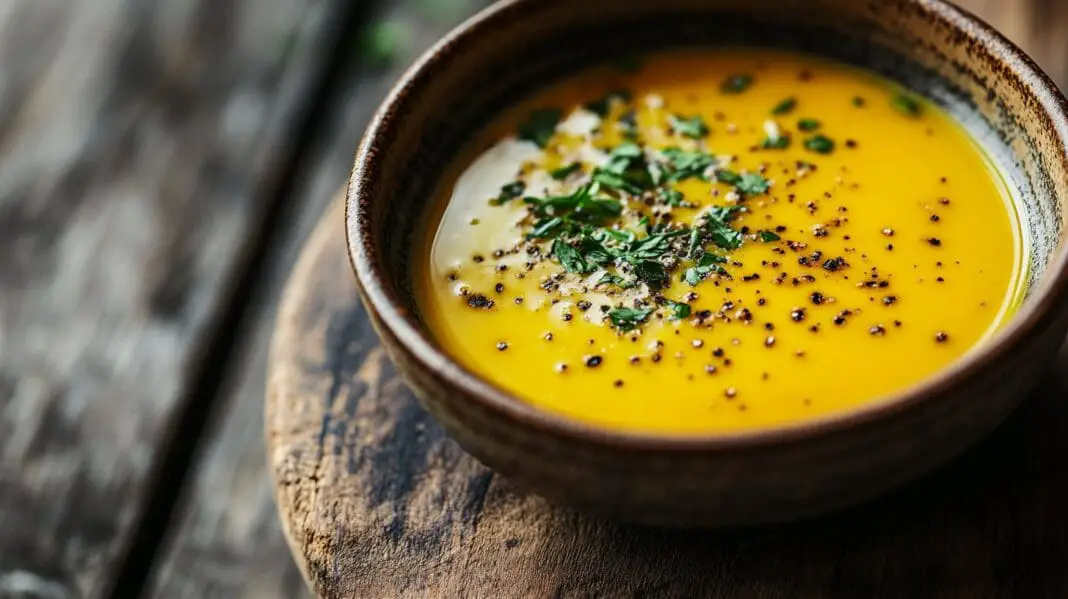
There’s a vinaigrette recipe floating around the internet that has people saying, with total sincerity, that they could drink it. Not “oh this is pretty good on lettuce” — actually drink it. Like, spoon-to-mouth, straight from the jar, no salad required. That kind of good.
The dressing comes from Via Carota, a beloved West Village restaurant in New York City run by chefs Jody Williams and Rita Sodi. It got famous when Samin Nosrat — the chef and author behind Salt, Fat, Acid, Heat — wrote about it in the New York Times Magazine and basically told the world it was the best vinaigrette she’d ever tasted. The recipe later appeared in her 2025 book Good Things and was rated #10 in the New York Times’ Top 50 Recipes of 2025. That’s not a typo. A salad dressing made the top 10.
I’ve been making this dressing for months now, and I keep a jar of it in the fridge at all times. It has single-handedly changed how often I eat salad, which — if you knew me — you’d understand is saying something. Here’s why it works, how to make it, and the small details that make a big difference.
What Makes This Dressing Different From Every Other Vinaigrette
Most vinaigrettes are fine. They’re oil, vinegar, maybe some mustard, and they do their job. This one is different because of a few specific choices that change everything.
First: sherry vinegar. Not red wine vinegar, not balsamic, not apple cider. Sherry vinegar. It has this warm, rounded, slightly nutty flavor that just plays differently than other vinegars. You want an aged one if you can find it — it’s smoother and less harsh. Most grocery stores carry at least one bottle, usually near the specialty vinegars.
Second: two mustards. The recipe uses both Dijon and whole-grain mustard. This might seem fussy, but it’s not. The Dijon helps the dressing emulsify (that means it holds together instead of separating into an oily puddle), and the whole-grain mustard adds tiny pops of texture and a mellower, almost sweet mustard flavor. Maille and Grey Poupon are both solid choices you can grab at any store.
Third — and this is the real secret — warm water. Williams explained to Nosrat that pure vinegar is just too strong. It assaults you. A tablespoon of warm water softens the acid so the dressing tastes savory and balanced instead of sharp. As Williams put it: “We want a salad dressing so savory and delicious that you can eat spoonfuls of it. We want you to be able to drink it.”
The Ingredients (and Why Each One Matters)
Here’s what goes into Nosrat’s version of the Via Carota vinaigrette:
1 large shallot, minced — Shallots are milder and sweeter than onions. You rinse them in cold water after dicing to remove that sharp bite that can ruin a dressing. This step takes 30 seconds and it matters enormously. Don’t skip it.
2 tablespoons plus 1 teaspoon aged sherry vinegar — The backbone of the whole thing. If your grocery store doesn’t carry aged sherry vinegar, regular sherry vinegar works. Just don’t sub in a completely different vinegar and expect the same result.
1 tablespoon warm water — The move that makes this dressing smooth and drinkable instead of puckery.
1 cup extra-virgin olive oil — Use something you’d actually enjoy tasting on its own. A fruity, peppery olive oil will make a noticeably better dressing than whatever’s cheapest on the shelf. This is one recipe where your oil choice really shows up.
1½ teaspoons Dijon mustard — Emulsifier and flavor.
1½ teaspoons whole-grain mustard — Texture and a rounder mustard flavor.
1½ teaspoons honey — This is optional, and it doesn’t make the dressing taste sweet. It just quietly rounds out the sharp edges from the vinegar and mustard. If you’ve ever noticed how commercial dressings taste sickly sweet, this is nothing like that — it’s barely perceptible.
2 sprigs fresh thyme, leaves stripped — Fresh thyme gives this an herby, almost woodsy quality that dried thyme can’t replicate.
1 large clove garlic, finely grated — Grate it on a Microplane or the fine side of a box grater. You want it to dissolve into the dressing, not leave chunks.
Salt and freshly ground black pepper
How to Make It (Step by Step)
The whole thing takes about 10 minutes. Five to prep, five to make.
Dice your shallot finely. Put the pieces in a small fine-mesh strainer and run cold water over them for about 20-30 seconds, tossing them around with your fingers. Shake off the excess water and dump them into a medium bowl.
Add the sherry vinegar, warm water, and a good pinch of salt to the shallots. Stir it together and let it sit for 2 to 5 minutes. This step does two things: it mellows the shallots even further, and it lets the salt dissolve into the liquid so it distributes evenly through the dressing.
Now whisk in both mustards, the honey, the grated garlic, the thyme leaves, and some black pepper. Get it all combined.
Here’s where patience matters: slowly drizzle in the olive oil while whisking constantly. Don’t dump it all in at once. A thin, steady stream while you whisk creates an emulsion — a thick, creamy dressing that clings to lettuce instead of sliding off into a pool at the bottom of the bowl. This should take a solid minute or two of whisking.
Taste it. Add more salt if it’s flat, more vinegar if it needs brightness. That’s it. Pour it into a jar, screw on the lid, and put it in the fridge.
The Oil-to-Vinegar Ratio (and Why You Might Want to Adjust It)
Here’s the one thing I want to flag. The original recipe has a very high oil-to-vinegar ratio — roughly 8:1. Traditional French vinaigrettes use a 3:1 ratio (3 parts oil to 1 part vinegar), and plenty of modern cooks go even more acidic than that.
Some people find the original ratio too oily. If that’s you — and honestly, there’s no shame in it — try cutting the oil back to about ¾ cup, or bumping the vinegar up to 3 tablespoons. Several people who’ve made this recipe over and over recommend landing somewhere around a 1:3 vinegar-to-oil ratio. Play with it until it hits right for you. A dressing you love is better than one that’s technically “correct.”
What to Put It On (Hint: Everything)
The obvious answer is salad. A big pile of mixed greens, simply dressed and tossed with your hands until every leaf is lightly coated. That’s what this dressing was designed for — Via Carota’s famous insalata verde, which Nosrat called “the best green salad in the world.”
But don’t stop there. This dressing is incredible on roast chicken. Spoon it over boiled or roasted asparagus. Toss it with farro or another grain for a quick lunch. Drizzle it on grilled steak or a piece of fish. Use it as a dipping sauce for crusty bread. One person I know uses it as a marinade for chicken thighs — just pour it over the chicken, let it sit for an hour, and roast. The mustard and honey caramelize beautifully.
A professional chef once described a truly great dressing as “the crack-like equivalent of the devil’s flavor dust they sprinkle on Doritos.” The kind of thing that makes you want to eat even gravel if it’s dressed in it. That’s the energy here. Think of this less as “salad dressing” and more as a flavor sauce you happen to put on salad most often.
Variations Worth Trying
The original Via Carota cookbook recipe uses sugar instead of honey. Nosrat’s adaptation swapped in honey and added the two mustards. Both versions are great — the mustard version is a bit more complex, the sugar version is a little cleaner and more straightforward.
Some people add fresh tarragon alongside or instead of the thyme. Tarragon has a subtle anise flavor that works really well with sherry vinegar. If you like tarragon, try one sprig of each.
And if you want a totally different direction on a weeknight, a simple everyday dressing made with olive oil, lemon juice, garlic, and Dijon — no shallots, no thyme — takes about 2 minutes and covers you for a basic side salad any night of the week. But for weekends, for dinner parties, for the salad that makes people stop and ask “what IS this dressing?” — make this one.
Storage and Make-Ahead Tips
Store the dressing in an airtight jar (a mason jar works perfectly) in the refrigerator for up to one week. The olive oil will solidify a bit in the cold — that’s normal. Just pull it out 10 minutes before you want to use it, or run the jar under warm water for a minute, then shake it up.
One of the best things about keeping a jar of this in the fridge is that it sits there reminding you to eat a salad. It takes the friction out of the equation. The greens are easy — wash and bag them when you get home from the store. The dressing is already made. All you have to do is toss them together. I eat more vegetables now than I have in years, and it’s entirely because of a jar of dressing.
Why Homemade Beats the Bottle Every Time
I’m not going to lecture you about reading ingredient labels. But I will say this: once you make a vinaigrette from scratch and taste the difference, going back to bottled feels wrong. Most store-bought dressings are loaded with sugar, soybean oil, and a lineup of additives — things like MSG, phosphoric acid, and polysorbate 60 — that exist to keep the product shelf-stable, not to make it taste good.
A bottle of decent store-bought dressing runs $5 to $10. This recipe costs about the same to make, gives you a comparable amount, and tastes like something from a restaurant in the West Village. No contest.
The 4-year-old daughter of one chef’s client reportedly said that when she wakes up from a bad dream, she thinks about how good the salad dressing tastes and it makes her feel better. I can’t promise this vinaigrette will cure nightmares. But I can promise you’ll want to keep a jar of it within arm’s reach at all times.
Frequently Asked Questions
Q: Can I use a different vinegar if I can’t find sherry vinegar?
A: You can, but the dressing won’t taste the same. Red wine vinegar is the closest substitute, though it’s sharper and less nuanced. Balsamic would make it too sweet and dark. If you’re going to the trouble of making this, it’s worth tracking down a bottle of sherry vinegar — most large grocery stores carry it in the vinegar or international aisle.
Q: Why do you rinse the shallots in cold water?
A: Raw shallots can have a sharp, sulfurous bite that lingers in a dressing. Rinsing them under cold water washes away some of the compounds that cause that harshness, leaving you with a milder, sweeter shallot flavor that blends into the dressing instead of overpowering it.
Q: My dressing separated in the fridge. Did I do something wrong?
A: Nope, that’s completely normal. Oil and vinegar naturally separate when they sit. Just give the jar a vigorous shake before using, or whisk it again in a bowl. The mustard in the recipe acts as an emulsifier, so it should come back together quickly.
Q: Can I double the recipe?
A: Absolutely. Since the dressing keeps for up to a week in the fridge, making a double batch is a smart move — especially if you’re feeding a family or planning to use it on things beyond salad, like grilled meats, roasted vegetables, or grain bowls.
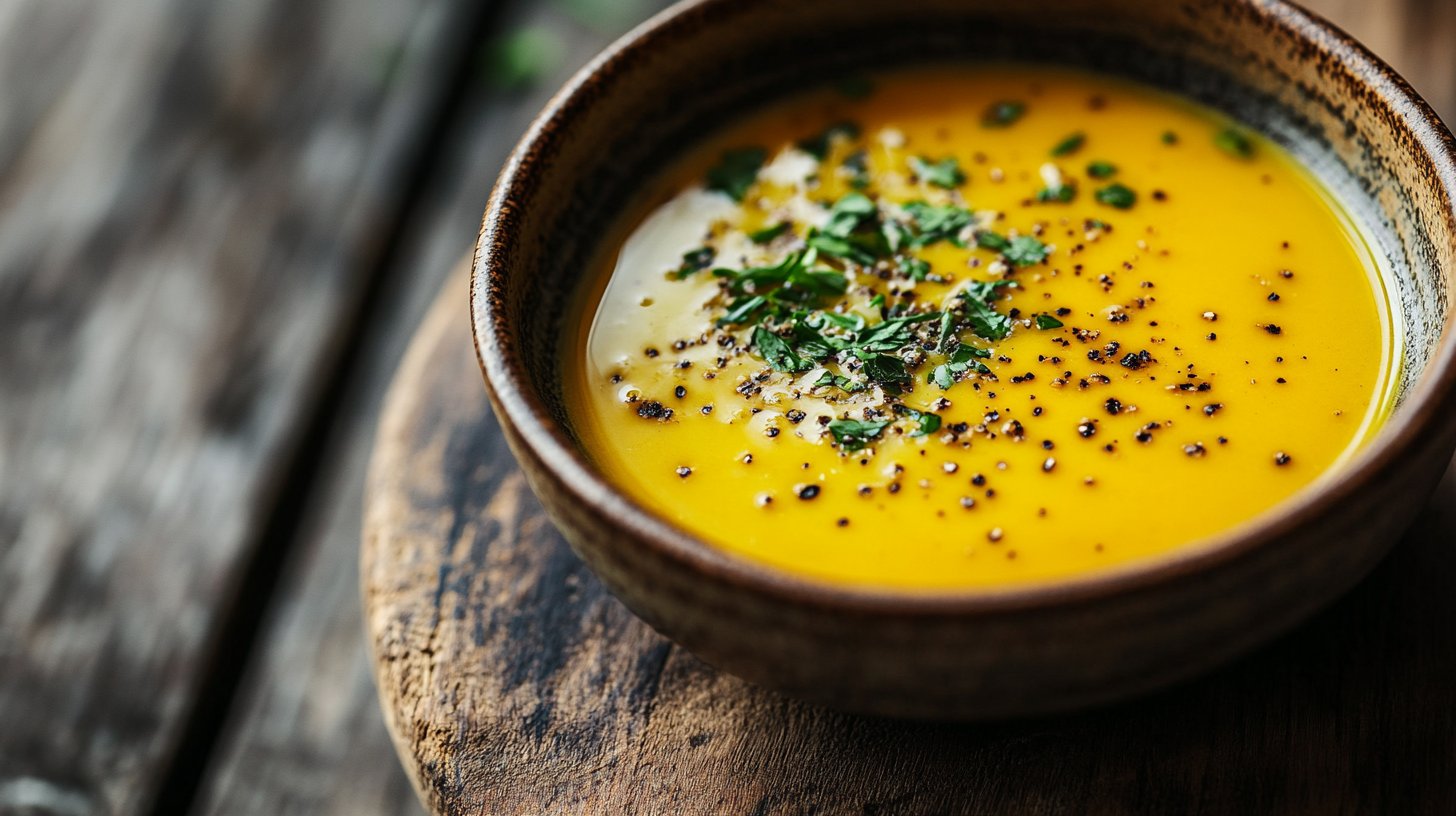
Samin Nosrat’s Sherry Shallot Vinaigrette (Via Carota Style)
Course: Salad DressingCuisine: American8
servings5
minutes250
kcalThe famous dressing that people literally drink straight from the jar — a sherry vinaigrette with double mustard, honey, and fresh thyme that turns any salad into something extraordinary.
Ingredients
1 large shallot, finely minced (about 3 tablespoons)
2 tablespoons plus 1 teaspoon aged sherry vinegar
1 tablespoon warm water
1 cup extra-virgin olive oil
1½ teaspoons Dijon mustard
1½ teaspoons whole-grain mustard
1½ teaspoons honey
2 sprigs fresh thyme, leaves stripped from stems
1 large clove garlic, finely grated on a Microplane
Salt and freshly ground black pepper to taste
Directions
- Finely dice the shallot, then place the pieces in a small fine-mesh strainer. Rinse under cold running water for 20 to 30 seconds, tossing them with your fingers. This removes the harsh sulfur compounds and leaves a milder, sweeter flavor. Shake off excess water and transfer the shallots to a medium mixing bowl.
- Add the sherry vinegar, warm water, and a generous pinch of salt to the shallots. Stir everything together and let the mixture sit for 2 to 5 minutes. This allows the shallots to soften further in the acid while the salt dissolves evenly into the liquid base.
- Whisk in the Dijon mustard, whole-grain mustard, honey, finely grated garlic, thyme leaves, and several grinds of black pepper. Make sure everything is well combined before adding the oil.
- While whisking constantly, slowly drizzle in the olive oil in a thin, steady stream. This should take 1 to 2 minutes — don’t rush it. Pouring the oil slowly while whisking creates a thick, creamy emulsion that clings to greens instead of sliding off.
- Taste the dressing and adjust the seasoning. If it tastes flat, add another pinch of salt. If it needs more brightness, add sherry vinegar half a teaspoon at a time. If it feels too sharp, drizzle in a tiny bit more oil.
- Transfer the finished vinaigrette to a clean glass jar with a tight-fitting lid. Store in the refrigerator for up to 1 week. Give the jar a vigorous shake before each use, as the oil will naturally separate when cold.
Notes
- If the original ratio feels too oily for your taste, reduce the olive oil to ¾ cup or increase the sherry vinegar to a full 3 tablespoons. Many home cooks prefer a ratio closer to 1:3 vinegar-to-oil.
- Use a good-quality, fruity extra-virgin olive oil — its flavor is very prominent in this dressing and makes a real difference. For mustard, Maille or Grey Poupon are both reliable choices.
- This dressing goes far beyond salad. Try it spooned over roast chicken, grilled steak, boiled asparagus, farro salad, or roasted vegetables. It also works beautifully as a bread dipping oil.

