

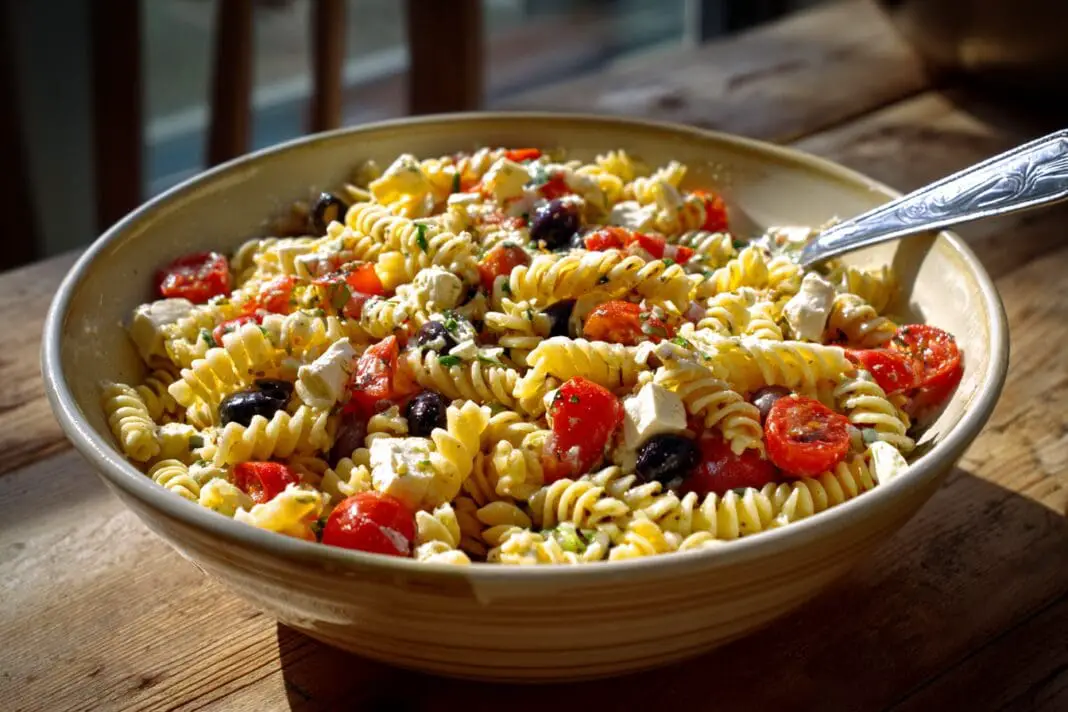
Most people make pasta salad the same way every single time. Same noodles, same dressing, same boring results. The truth is, a few smart additions can completely change the game. Some of the best pasta salads come from unexpected ingredients that most people never think to add. Whether it’s a spice blend from the grocery store or sun-dried tomatoes hiding in the pantry, these little tricks make a big difference. Here are the secret ingredients and tips that will make every bowl worth coming back for.
Sun-dried tomatoes change everything
Fresh tomatoes are great, but they can make pasta salad watery if they sit too long. That’s where sun-dried tomatoes come in. They pack a ton of concentrated tomato taste into every bite without adding extra liquid. They’re chewy, a little sweet, and slightly tangy all at the same time. You can chop them up, slice them thin, or even tear them apart with your fingers. They hold up really well in the fridge overnight, which is exactly what a good pasta salad needs to do.
One of the best ways to use sun-dried tomatoes is alongside fresh ones. The combination gives a pasta salad depth that plain tomatoes alone just can’t deliver. Alison Roman uses this trick in her secret ingredient pasta salad, pairing sun-dried tomatoes with fresh ones on the vine for a dish that tastes like cold amatriciana. She calls them out with an exclamation point in her recipe for good reason. Once they soak into the pasta, every noodle carries that rich, savory punch. It’s a small addition that makes the whole dish feel intentional and satisfying.
Salad Supreme is the spice blend to try
Ever wonder why some pasta salads at potlucks just hit different? There’s a good chance they used Salad Supreme. It’s a seasoning blend you can find at most grocery stores, and it has over 20 ingredients packed into one container. Romano cheese, paprika, poppy seeds, celery seed, black pepper, red pepper, garlic, and salt are just a few of them. It coats the noodles in a dark orange color that looks as good as it tastes. One small container can season an entire pound of pasta.
The best part is how simple it makes the whole process. Cook the pasta, toss it with Italian dressing and Salad Supreme, add some meat and cheese, and let it sit overnight. That’s it. Danny Palumbo from The Takeout credits this secret ingredient as the reason his pasta salad wins at every gathering. He even points out that you can make your own version at home by mixing poppy seeds, celery seed, paprika, red pepper flakes, garlic powder, and Romano cheese. Whether store-bought or homemade, it works like magic.
Capers add a salty, tangy surprise
Most people reach for dill pickles when they want something briny in their pasta salad. But capers do the same job with a lot more personality. They’re tiny, so they spread evenly throughout the dish. Every few bites, there’s a little pop of salty, lemony goodness that keeps things interesting. They work especially well in pasta salads that use olive oil-based dressings instead of mayo. If the salad leans Mediterranean, capers belong in it without question.
What makes capers so useful is how well they play with other ingredients. Toss them in with cherry tomatoes, olives, and feta cheese, and suddenly the pasta salad feels like something from a Greek island. They also pair beautifully with seafood pasta salads, especially ones with shrimp or tuna. If you still want that pickle taste, just add a splash of pickle juice to the dressing. That way, you get the best of both worlds. Capers are one of those small additions that make people ask what the secret is.
Pesto works better than most dressings
Why settle for bottled Italian dressing when pesto exists? A spoonful of pesto can replace your regular dressing entirely. It coats every noodle with garlic, basil, pine nuts, and parmesan. The oil keeps the pasta from drying out, and the herbs keep everything tasting fresh. It works whether you make it at home in a blender or grab a jar from the store. Either way, pesto brings richness that a standard vinaigrette just can’t match.
Pesto pasta salad is also incredibly flexible. Add mozzarella and cherry tomatoes for a caprese-style version. Throw in grilled corn for something more summery. Keep it simple with just bowtie pasta and pesto, and it still tastes great. And here’s a fun idea: pesto doesn’t have to be made with basil. Try one made with cilantro, mint, or even sun-dried tomatoes. Each version gives the pasta salad a completely different personality. It’s the kind of ingredient that makes a simple dish feel like something special without much extra effort at all.
Red wine vinegar and onions need time together
Raw red onion in pasta salad can be sharp and overpowering. But if you let thin slices of red onion sit in red wine vinegar for a few minutes, something great happens. The vinegar softens the bite and turns the onion slightly pink. It’s basically a quick pickle, and it makes the onion taste sweet and tangy instead of harsh. This is a trick that professional cooks use all the time, and it takes almost no extra effort at all.
Alison Roman uses this method in her pasta salad by combining sliced red onion with two tablespoons of red wine vinegar right at the start. While the pasta cooks and the tomatoes cook down, the onion sits and softens in the acid. By the time everything gets tossed together, those onions are perfectly mellow. It’s one of those tiny steps that most recipes skip, but it makes a noticeable difference. The vinegar also doubles as part of the dressing, so nothing goes to waste.
Feta cheese makes any version better
There are a lot of cheeses that work in pasta salad. Parmesan, mozzarella, and colby jack all have their place. But feta does something none of the others can. It’s salty, tangy, and crumbly all at once. When you toss it into a pasta salad, it breaks apart just enough to spread through the dish. Some bites have big chunks of it, and others have tiny crumbles that melt into the dressing. That variety keeps every bite interesting.
Feta pairs with almost anything you’d put in a pasta salad. Fresh tomatoes, cucumbers, olives, and basil are obvious matches. But it also works in more unexpected combinations, like with roasted red peppers or grilled zucchini. The salt in feta means you might need less dressing overall, which is a nice bonus. And it holds up well in the fridge, so the salad tastes just as good the next day. If you haven’t tried feta in your pasta salad yet, this should be the first thing you change.
The right pasta shape matters more than you think
Not all pasta shapes are created equal when it comes to salad. Long noodles like spaghetti or linguine are a nightmare to eat cold off a paper plate. Short shapes with ridges or curves work best because they hold onto dressing and small ingredients. Rotini, fusilli, cavatappi, and rigatoni are all great choices. Even bowtie farfalle adds a nice visual touch. The shape you pick can change how the whole dish comes together, so it’s worth thinking about before you grab whatever’s closest in the pantry.
Here’s something surprising: overcooking noodles actually works in your favor for pasta salad. Slightly softer noodles absorb more dressing and taste better cold. Al dente pasta can feel too firm and chewy once it’s been chilled. So if you accidentally leave the pot on a minute too long, don’t worry about it. Also, rinsing the pasta under cold water right after draining stops the cooking and cools it down fast. That little hack saves a lot of waiting time, especially when people are already hungry and hovering around the kitchen.
Let the salad sit overnight for best results
Patience is the hardest ingredient in any recipe. But pasta salad truly rewards it. When you make it the night before and let it sit in the fridge, the dressing soaks into every noodle. Spices spread out evenly. The cheese softens just a bit. Everything in the bowl starts to taste like it belongs together. A freshly made pasta salad is fine, but one that’s had eight to twelve hours in the fridge is on a completely different level.
Both Alison Roman and Danny Palumbo agree on this point. Roman describes her version as “marinated pasta” and says it’s better after a few hours. Palumbo says the spices and dressing will soak into every piece when left overnight. The trick is to toss the salad again right before serving. Pasta absorbs a lot of liquid as it sits, so you might need to add a splash of olive oil or extra dressing to loosen things up. Give it a good stir and taste it one more time for salt and pepper.
A little heat goes a long way
Most pasta salad recipes play it safe with seasoning. But adding a bit of spice takes the dish from ordinary to something people actually remember. It doesn’t have to be blazing hot. A pinch of crushed red pepper flakes, a dab of harissa paste, or even a few shakes of your favorite hot sauce will do the trick. The heat wakes up all the other ingredients and gives the salad a little kick that keeps people reaching for more.
Green chiles are another smart option, especially the fire-roasted kind that come in a can. They’re mild enough that most people can handle them, but they still add a noticeable zing. You can stir them into a macaroni salad with cheddar cheese for a Southwestern twist. Alison Roman keeps things flexible in her recipe by suggesting crushed chili flakes, harissa, or whatever spicy thing you have on hand. The point is to add just enough heat that it makes the salad interesting without making anyone uncomfortable. A little goes a long way here.
Pasta salad doesn’t have to be boring, and it definitely doesn’t have to taste the same every time. Whether it’s sun-dried tomatoes, a store-bought spice blend, or just letting the bowl sit in the fridge a little longer, small changes lead to big improvements. The best part is that none of these tricks require fancy equipment or hard-to-find ingredients. Next time a potluck comes around, try one or two of these ideas and see how fast the bowl empties.
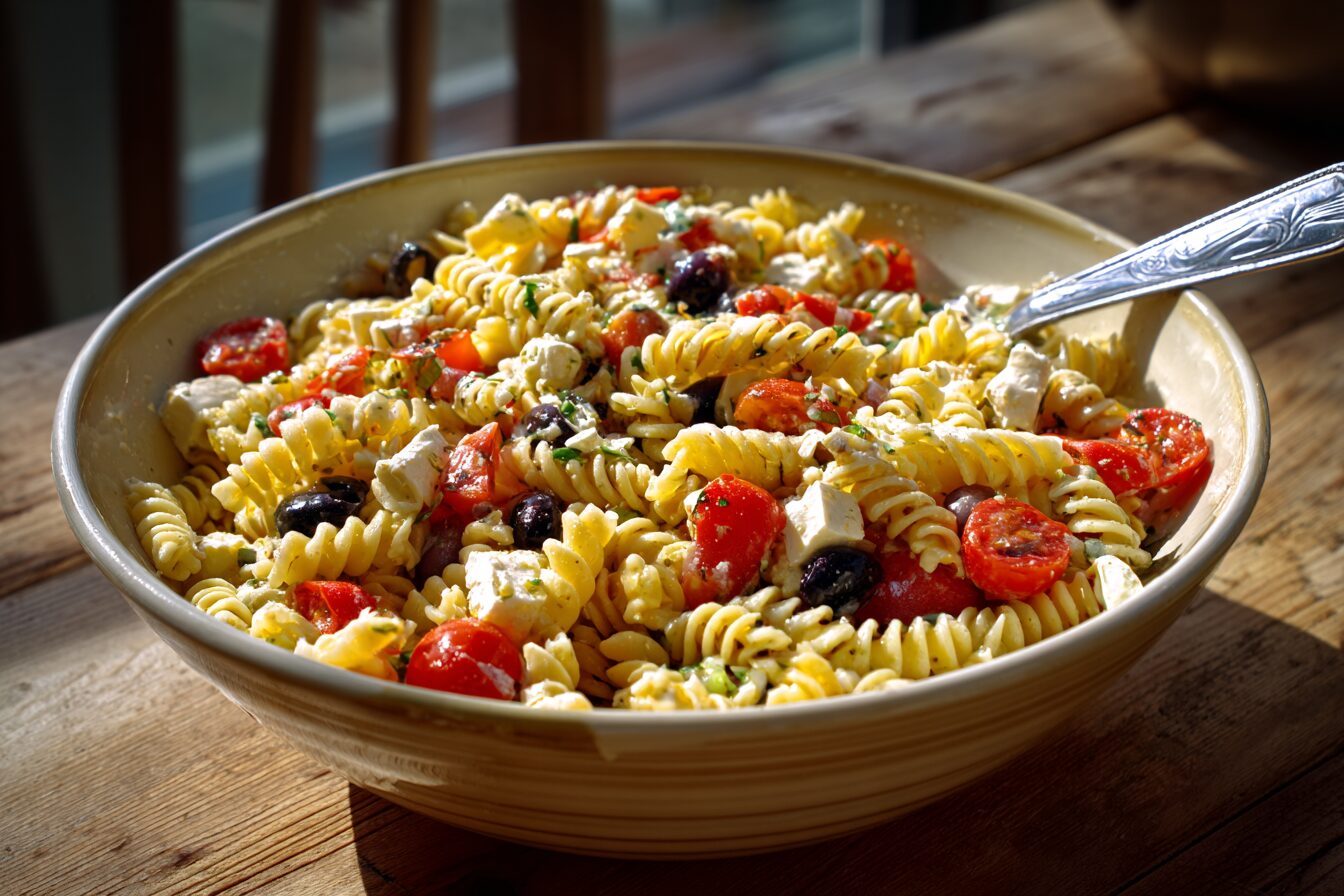
Secret Ingredient Pasta Salad with Sun-Dried Tomatoes
Course: Side DishCuisine: Italian6
servings15
minutes15
minutes380
kcalThis pasta salad gets better the longer it sits, thanks to sun-dried tomatoes, quick-pickled onions, and a warm garlic-tomato mixture that coats every noodle.
Ingredients
12 to 16 ounces rigatoni or another short pasta
1/4 cup olive oil, plus more for drizzling
4 garlic cloves, thinly sliced
1 pound small tomatoes on the vine, quartered
1/2 cup sun-dried tomatoes, roughly chopped
2 tablespoons red wine vinegar
1/2 red onion, sliced (not too thin)
Crushed red pepper flakes, harissa paste, or hot sauce to taste
Coarsely grated pecorino or parmesan cheese, kosher salt, and freshly ground black pepper
Directions
- Combine the sliced red onion and red wine vinegar in a large mixing bowl. Season with a pinch of salt and pepper and toss to coat. Let this sit while you prepare everything else so the onion softens and loses its sharp bite.
- Bring a large pot of generously salted water to a boil and cook the rigatoni until just al dente, following the package directions. Drain the pasta and drizzle it with a little olive oil, tossing to prevent the noodles from sticking together. Set it aside while you make the tomato mixture.
- Heat 1/4 cup of olive oil in a large skillet over medium heat. Add the thinly sliced garlic and season with salt and pepper. Cook, swirling the skillet occasionally, until the garlic is tender and just starting to turn golden, about 3 to 4 minutes.
- Add your spicy ingredient of choice (red pepper flakes, harissa, or hot sauce) to the garlic oil and stir. Then add the fresh quartered tomatoes and the chopped sun-dried tomatoes to the skillet. Season with salt and pepper and toss to combine.
- Cook the tomato mixture, tossing occasionally, until the fresh tomatoes burst and release their juices, about 5 to 8 minutes. Use a spatula or wooden spoon to gently press on any firm tomatoes to help them break down. You want a saucy, jammy mixture with some chunks remaining.
- Add the drained pasta and the warm tomato mixture to the large bowl with the pickled onions. Drizzle with a bit more olive oil and add another pinch of your spicy ingredient if you like more heat. Season again with salt and pepper to taste.
- Toss everything together thoroughly until every piece of pasta is evenly coated with the tomato mixture and dressing. Let the salad sit for at least 10 minutes, then toss it again. Think of it as marinated pasta — the longer it sits, the better it gets.
- Serve cold or at room temperature, topped with a generous amount of coarsely grated pecorino or parmesan cheese. This salad is best after a few hours in the fridge or overnight. Give it a final toss and taste for seasoning before serving.
Notes
- This salad tastes even better the next day. Make it the night before a potluck or barbecue and store it covered in the fridge.
- If the pasta absorbs too much liquid overnight, add a splash of olive oil and toss again before serving.
- You can swap rigatoni for fusilli, cavatappi, or any short pasta with ridges that holds onto the sauce well.
- Sun-dried tomatoes packed in oil or dry both work. If using dry ones, give them a rough chop so they soften as the salad sits.
Frequently Asked Questions
Q: Can I make pasta salad ahead of time?
A: Absolutely. Pasta salad is one of the rare dishes that actually tastes better after sitting in the fridge for a few hours or overnight. The dressing soaks into the noodles and all the ingredients meld together. Just toss it again and add a splash of olive oil before serving since the pasta tends to absorb liquid as it sits.
Q: What’s the best pasta shape for pasta salad?
A: Short, sturdy shapes with ridges or curves work best. Rotini, fusilli, rigatoni, and cavatappi are all great picks because they hold onto dressing and small ingredients. Avoid long noodles like spaghetti or fettuccine since they’re hard to eat cold and don’t grab dressing well.
Q: Should I rinse pasta after cooking it for pasta salad?
A: Yes. Rinsing under cold water stops the cooking process and cools the pasta down quickly so you can assemble the salad faster. It also removes some of the surface starch, which helps prevent the noodles from clumping together as they chill.
Q: Where can I find Salad Supreme seasoning?
A: Salad Supreme is available in the spice aisle of most major grocery stores. If you can’t find it, you can make a homemade version by mixing paprika, poppy seeds, celery seed, garlic powder, red pepper flakes, black pepper, salt, and grated Romano cheese together in a small bowl.

