

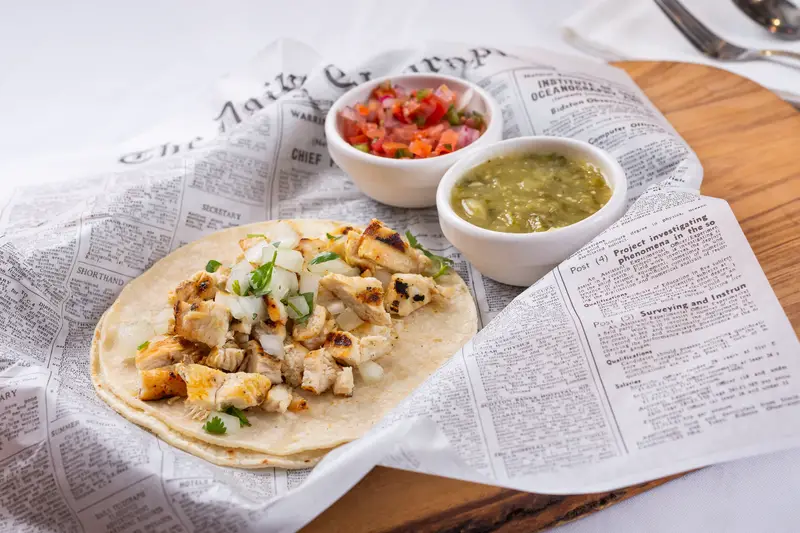
There’s nothing quite like sitting down at a Mexican restaurant and getting that first basket of chips with salsa. But here’s the thing – that salsa can actually tell you a lot about what you’re about to experience. I mean, it’s basically the first impression, and if it’s off, you might want to reconsider your order.
Cold salsa means you’re in trouble
After trying these at countless places, I’ve noticed something pretty consistent. When the salsa comes out cold, it’s usually not a good sign. And that’s not just about preference – it’s about what that temperature is telling you. Food blogger Yvette Marquez-Sharpnack says she can’t stand cold salsa, and honestly, neither can I. The flavors just don’t shine through when it’s been sitting in the fridge.
Salsa should be served at room temperature, especially if it was just made. That’s when you get all those vibrant flavors coming through – the cilantro, the lime, the chiles. But when it’s cold? Everything gets muted. Totally different experience.
What temperature reveals about freshness
The last time I ordered at a place with ice-cold salsa, I started wondering why they were keeping it so chilled. Turns out, cold salsa often means they’re making it in huge batches and storing it for days. Or worse – they’re just using store-bought stuff straight from the jar. Not that all jarred salsa is terrible, but you’re not going to a restaurant for something you could’ve grabbed at the grocery store, right?
Fresh salsa doesn’t need to be refrigerated immediately. It can sit out for hours and still taste amazing. So when a restaurant serves it cold, they’re basically admitting it wasn’t made today. Maybe not even this week.
The preservative taste you can’t ignore
Marquez-Sharpnack mentions something else that’s super important – that weird aftertaste. You know the one. Kind of metallic, sort of sour. That’s from preservatives in jarred salsas. And if you’re tasting a ton of cumin, that’s another dead giveaway. Most authentic Mexican salsas don’t rely heavily on cumin. That’s more of a Tex-Mex thing that mass-produced brands use.
I mean, once you know what to look for, you can’t un-taste it. The preservative flavor just sits there on your tongue, competing with the tomatoes and peppers. Does anyone actually prefer that?
Fresh salsa should be made daily
Miguel Martín Gómez, who owns Colíma Cocina Mexicana in Amsterdam, says restaurants should be making their salsa from scratch with fresh ingredients. And he’s not talking about just one type. There should be at least three different salsas on the menu – made with fresh tomatoes, green tomatillos, or habanero peppers. It’s just the way it’s done in Mexico, and it’s part of the culture.
When you go to a local spot instead of a chain, you’re expecting something better. Something more authentic. If they can’t even make fresh salsa, what else are they cutting corners on? Probably a lot. The rice, the beans, maybe even the meat preparations. Everything starts tasting kind of flat and processed.
The three salsas every good restaurant has
Salsa roja is the big one. That’s your red sauce made from tomatoes, onions, garlic, and chili peppers. It goes on pretty much everything – chips, tacos, burritos, you name it. Some places offer mild and spicy versions, and the texture can range from smooth to chunky. But it should always be made in-house.
Then there’s salsa verde or salsa taquera. This one’s made with roasted tomatillos and it’s usually blended smooth. It’s got this bright, tangy flavor that’s totally different from the tomato-based salsas. Great on enchiladas and tacos. And pico de gallo isn’t really a blended salsa at all – it’s more like a fresh tomato relish with diced onions, cilantro, jalapeños, and lime juice. Perfect with carne asada or street tacos. These three should be available at any decent Mexican restaurant.
Why homemade salsa matters so much
Here’s the thing about homemade salsa – it’s not just about taste. Though honestly, the taste difference is huge. It’s about commitment to quality. If a restaurant isn’t willing to spend time making fresh salsa each day, they’re probably taking shortcuts everywhere else too. And that affects everything on your plate.
Bad salsa ruins the whole meal. It’s served with so many dishes that its flavor ends up everywhere. On your chips while you’re waiting. On your tacos. Mixed into your burrito. If that base flavor is off, nothing tastes right. You can judge a Mexican restaurant’s quality from its salsa, basically.
Other warning signs to watch for
Celebrity chef Pati Jinich points out some other red flags beyond just the salsa temperature. Premade guacamole is a huge one. She actually calls it “a disgrace,” which seems harsh but kind of fair? Guacamole is so easy to make fresh, and it tastes way better when it’s made tableside or at least made to order. That brown, oxidized guac that’s been sitting around? Not even close to the real thing.
And those thin, brittle tortilla chips? Another bad sign. Authentic spots usually make their own chips from fresh corn tortillas, and they’re thicker and more substantial. The thin ones you get at some places are just sad. They break before you can even scoop any salsa. Then there’s the whole birria trend – every restaurant seems to have it now, but most of them aren’t doing it right. Real birria takes hours and requires a complex mix of herbs and spices. What you’re often getting is just basic meat stew.
Trust your instincts about freshness
Every time I’ve had really good Mexican food, the salsa has been room temperature or slightly warm. It tastes vibrant and fresh, like someone just chopped everything up. The flavors are bright and clear. You can taste each ingredient. When it’s cold and dull, your instincts are probably right – something’s off. Why does this keep happening at so many places?
The only exception might be pico de gallo, which can be slightly chilled since it’s more like a fresh salad. But even then, it should still taste like it was just made. Not like it’s been sitting in a container for three days.
Finding restaurants that care about quality
Look for places that have lines out the door and that amazing smell of fresh-cooked meat and fried tortillas when you walk up. Those are usually the spots doing things right. At least, that’s been my experience. And check the menu – if they’re offering multiple types of salsa and they describe them in detail, that’s a good sign they’re making them fresh.
Small, locally-owned spots tend to be better about this than chains. When they’re good, they’re really good. But when they’re bad, well, the salsa will tell you right away. That first taste is everything.
Next time you sit down at a Mexican restaurant, pay attention to that salsa temperature. If it’s served cold, maybe ask if it was made fresh today. And if the answer doesn’t sound convincing, you might want to skip the salsa-heavy dishes. Your taste buds will thank you.

