

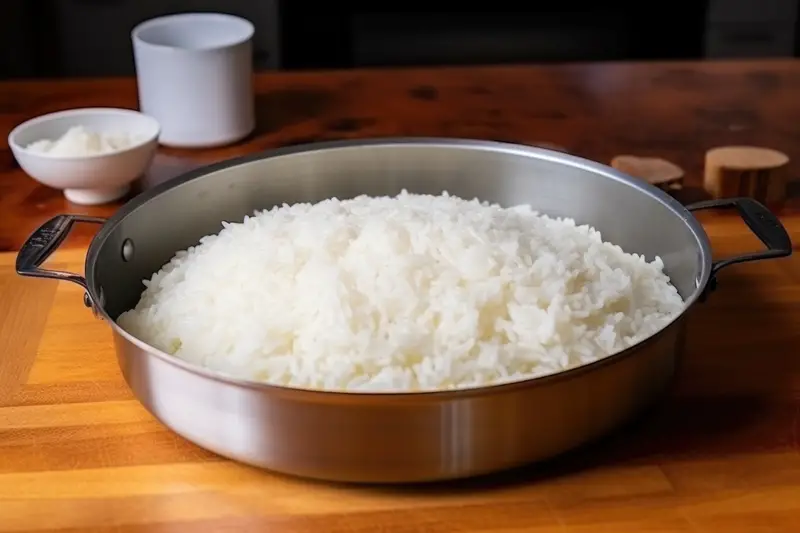
I used to leave rice on the stove for hours. Sometimes overnight. I’d scoop it into a bowl the next day, nuke it for a minute, and eat it without thinking twice. I did this for years. Nothing bad ever happened — until it did.
One night after reheating some leftover jasmine rice that had been sitting out since lunch, I spent the next six hours in my bathroom regretting every life choice I’d ever made. Nausea, cramping, the works. I blamed the chicken I’d eaten with it. Turns out, the rice was the problem.
Most Americans eat rice multiple times a week. We make big batches, toss the pot on the back burner, and deal with it later. But there’s a specific thing you need to do before you ever reheat that rice — and if you skip it, you’re rolling the dice with a type of food poisoning most people have never even heard of.
The Bacteria That Survives Your Microwave
Here’s what caught me off guard: the danger isn’t in the reheating. It’s in what happens between cooking and reheating. There’s a bacteria called Bacillus cereus that lives in uncooked rice as spores. When you cook rice, you kill most bacteria — but not these spores. They’re tough. They survive boiling water. They survive your microwave. They survive pretty much everything you throw at them.
The spores themselves aren’t the problem. The problem starts when cooked rice sits at room temperature. That warm, starchy environment is a paradise for Bacillus cereus. The spores wake up, multiply, and start producing toxins. These toxins are what make you sick — and here’s the kicker — reheating the rice doesn’t destroy the toxins. You can heat that rice until it’s smoking and the toxins are still there, waiting for you.
This is sometimes called “reheated rice syndrome,” and it’s more common than you’d think. Most people who get it assume they caught a stomach bug or ate bad meat. They never suspect the rice.
The Two-Hour Rule You Can’t Ignore
So what’s the one thing you must do before reheating rice? You need to make sure it was refrigerated within two hours of being cooked. That’s it. That’s the rule. If your rice sat out on the counter for longer than two hours, don’t reheat it. Throw it away.
The clock starts the moment the rice is done cooking. Within those two hours, you need to get it cooled down and into the fridge. Not tomorrow. Not after dinner. Not after the movie. Within two hours.
If you follow this rule, reheated rice is perfectly safe to eat for a few days after cooking. If you don’t follow this rule, no amount of microwaving will save you. The toxins are already there, invisible and odorless. The rice looks fine. It smells fine. It tastes fine. And then four to five hours later, you’re in a world of hurt.
How to Cool Rice Down Fast
Two hours sounds like plenty of time, but think about how most of us actually handle rice. You finish cooking dinner at 7. You eat at 7:15. You sit on the couch at 7:45. By the time you get around to putting food away, it’s 9:30 or 10. That’s already pushing past the safe window, especially if the rice has been sitting in a covered pot holding its heat.
The trick is to cool it down quickly so the bacteria don’t get a chance to multiply. Here’s what works:
Spread the rice out on a baking sheet or a wide, flat plate. A thick clump of rice in a container holds heat for a long time. Spread thin, it cools in minutes. Once it’s no longer hot to the touch, transfer it to an airtight container and get it in the fridge.
You can also run the pot under cold water or set it in an ice bath if you’re in a rush. Some people portion the rice into small containers right away — smaller amounts cool faster than one big batch.
The key point is speed. Don’t let it hang out in the danger zone — that 40°F to 140°F range where bacteria thrive — any longer than you have to.
Only Reheat It Once (And Get It Hot Enough)
Even if you stored your rice correctly, there’s a second rule that matters: only reheat it one time. Every time you heat and cool rice, you’re giving any remaining bacteria another opportunity to multiply. One reheat is fine. Two is asking for trouble.
When you do reheat, make sure the rice hits 165°F all the way through. That’s the magic number for killing active bacteria — not the toxins from sitting out, but any new bacterial growth that might have happened in the fridge. A cheap food thermometer takes the guesswork out of this. You can grab one at Walmart or Target for under ten bucks.
If you’re using a microwave, add a splash of water to the rice before heating. This creates steam, which helps heat it more evenly. Stir it halfway through. Those cold spots in microwaved food aren’t just annoying — they’re where bacteria survive.
What the Symptoms Look Like
Bacillus cereus food poisoning comes in two forms. The first type — the one most associated with rice — causes nausea and vomiting within one to six hours of eating. It hits fast and hard, but usually resolves within 24 hours. The second type causes diarrhea and stomach cramps, typically showing up six to fifteen hours after eating.
Most cases are mild enough that people just ride them out at home. But for young kids, elderly people, pregnant women, and anyone with a weakened immune system, it can be a lot more serious. In rare cases, it can lead to hospitalization.
The frustrating part is that most people never connect it to the rice. They blame the protein or the sauce or “something going around.” Bacillus cereus doesn’t change the way rice looks, smells, or tastes. There’s no way to tell just by looking at it whether the toxins are present. The only defense is handling it correctly from the start.
It’s Not Just White Rice
Brown rice, wild rice, basmati, sushi rice, Uncle Ben’s, rice from your Instant Pot — all of it carries the same risk. Bacillus cereus doesn’t care what variety you bought or how you cooked it. If it’s rice and it sat out too long, it’s a problem.
And it’s not limited to rice, either. Pasta, potatoes, and other starchy foods can also harbor Bacillus cereus. The same rules apply: cool it fast, refrigerate it promptly, and don’t reheat more than once. Rice just gets the most attention because it’s the most common source of this type of food poisoning.
If you’ve ever made a big pot of spaghetti and left it on the stove overnight, same deal. That’s playing the same game with the same bacteria.
What About Fried Rice?
Here’s where it gets interesting. Good fried rice is traditionally made with day-old rice. Chinese restaurants, home cooks, YouTube chefs — everyone says the same thing: freshly cooked rice is too wet and sticky for fried rice. You want it dried out in the fridge overnight.
This is totally fine — as long as that rice went into the fridge within the two-hour window after it was originally cooked. The cold overnight rest is actually ideal. It dries the grains out and slows bacterial growth at the same time. Where people get into trouble is cooking rice, leaving it on the counter overnight to “dry out,” and then frying it the next day. That’s the worst possible scenario. Room temperature rice for eight-plus hours is a bacteria factory.
Cook the rice, cool it quickly, refrigerate it, and then make your fried rice the next day. You get the texture you want without the food poisoning.
The Takeout Problem
Think about how takeout works. You order Chinese, Thai, or Indian food. It gets cooked at the restaurant, packed into containers, driven to your house, and sits on your counter while you eat. Sometimes you eat half and leave the rest out while you watch TV. By the time you put it away, that rice has been sitting in the danger zone for a while.
Treat takeout rice the same way you’d treat rice you made at home. As soon as you’re done eating, pack it up and get it in the fridge. Don’t let it sit on the coffee table for three hours. The two-hour clock started at the restaurant, so you’ve already used up some of your safe window by the time it reaches your door.
If you ordered delivery and it took an hour, you’ve got roughly an hour left before that rice needs to be refrigerated. Plan accordingly.
Stop Overthinking It, But Stop Ignoring It
I don’t want to make you paranoid about rice. Rice is cheap, filling, and delicious. Billions of people eat it every single day without getting sick. The risk isn’t in the rice itself — it’s in the lazy habits most of us have around storing leftovers.
The fix is simple. Cook your rice. Eat your rice. And within two hours, get whatever’s left into the fridge. When you reheat it, make sure it’s steaming hot — 165°F if you want to be precise. Don’t reheat it a second time. And if the rice spent a long afternoon or overnight on the counter, let it go. A dollar’s worth of rice isn’t worth a day hunched over the toilet.
I learned this the hard way. You don’t have to.

