

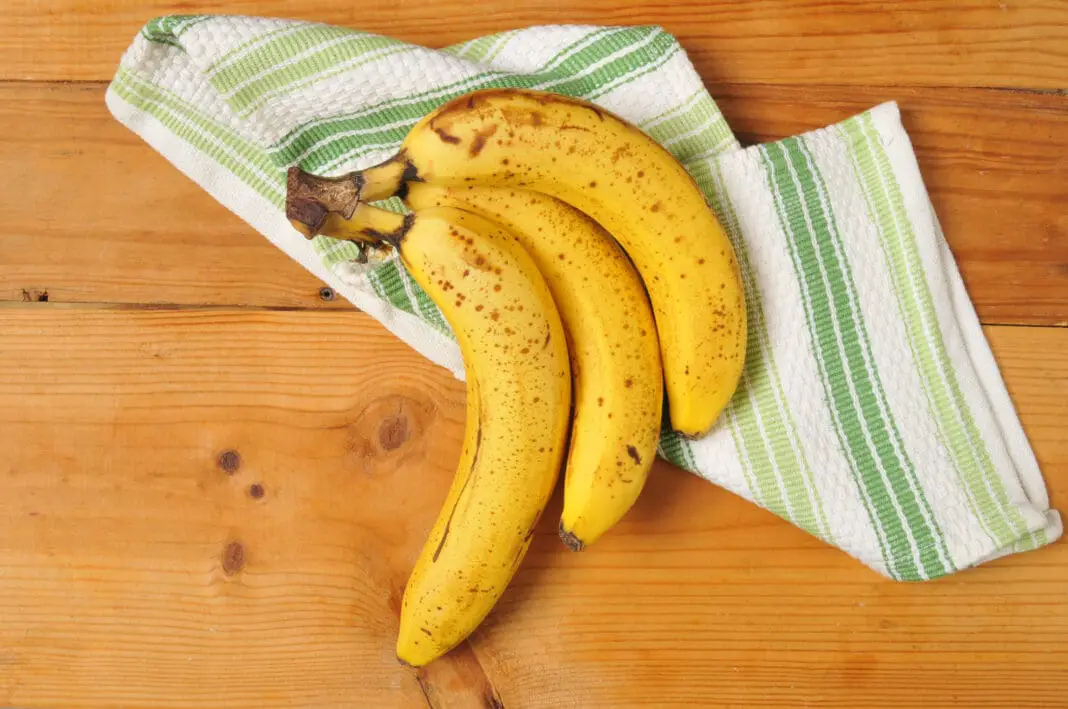
There’s nothing worse than buying bananas on Monday and watching them turn into brown mush by Thursday. I mean, it happens every single time. You start with these perfect yellow bananas, and before you know it, they’re basically unusable. But there’s actually a pretty simple trick that can help keep your bananas fresh longer, and it involves something you probably already have in your kitchen.
Why bananas turn brown so fast
Bananas produce this gas called ethylene. It’s what makes them ripen. And honestly, it’s super effective at doing its job—maybe too effective. When bananas sit together in a bunch, they’re all releasing ethylene gas at each other, which speeds up the whole ripening process even more. The gas basically tells the fruit to start breaking down and getting softer. That’s why bananas that seemed fine yesterday can suddenly be covered in brown spots today.
The browning happens because of enzymes in the fruit. Once oxygen hits these enzymes, they start creating brown pigments called melanins. It’s the same reason apples turn brown after you cut them. And the warmer the temperature, the faster this happens.
The plastic wrap method
One trick is wrapping the stems of your bananas with plastic wrap. This is supposed to trap the ethylene gas at the source and keep it from spreading to the rest of the fruit. After trying this method a few times, I’ve noticed it does help a bit. But it’s kind of hit or miss, to be honest. The problem is that the plastic doesn’t always cover the stems completely, so some gas still escapes.
You’re supposed to re-wrap the stems every time you take a banana off the bunch. Which is fine in theory, but who actually remembers to do that? Still, it’s better than nothing. At least it slows things down somewhat.
Separating bananas works better
Here’s what actually makes a bigger difference: separating your bananas from each other. When you keep them in a bunch, the riper ones are constantly pumping out ethylene gas that affects all the others. It’s like they’re all making each other ripen faster. But if you separate them, each banana is only dealing with its own gas production. Way less cross-contamination, basically.
After you separate them, you can still wrap each individual stem with plastic wrap. This combo approach works pretty well. The last time I tried this, my bananas stayed yellow for almost a week. Not perfect, but definitely an improvement. And it makes grabbing a banana in the morning easier too.
Where the lemon trick comes in
Now, what about when you’ve already cut a banana? That’s where lemon juice becomes your best friend. The acid in lemon juice stops that enzymatic browning process we talked about earlier. It disrupts the chemical reaction that turns banana flesh brown when it’s exposed to air. You don’t need much—just a light coating on the cut surfaces.
I’ve used this trick for banana slices in fruit salad, and it totally works. The slices stay looking fresh instead of turning into those sad brown pieces nobody wants to eat. Honestly, it’s the same concept as putting lemon juice on apple slices. The acid creates a barrier that keeps oxygen from doing its thing.
Other acids work too
Lemon juice isn’t your only option. Lime juice works just as well. So does orange juice if you want something a little sweeter. Even vinegar can do the job, though your bananas might taste a bit weird afterwards. The key is having some kind of acid to prevent oxidation.
How much should you use? A teaspoon or two is pretty much enough for a whole banana’s worth of slices. You just want to lightly coat everything, especially the cut sides. Too much and you’ll end up with sour bananas, which kind of defeats the purpose.
Keep the peel on when possible
If you’ve only eaten part of a banana, don’t peel the rest of it. Seriously. The peel is actually the best protection against browning because it blocks oxygen from reaching the fruit. Every time I’ve tried to store a partially eaten banana, keeping the peel on makes a huge difference. The exposed part might brown a little, but the covered part stays totally fine.
One chef from Brennan’s restaurant in New Orleans—a place that goes through 40,000 pounds of bananas a year—recommends cutting bananas in half and placing the cut side face-down on a plate. The peel protects most of the banana, and the plate protects the exposed part by limiting air exposure. Does anyone actually do this at home? Maybe not. But it’s a smart idea.
Use the fridge strategically
Most people think you shouldn’t refrigerate bananas. And yeah, if they’re still green or barely yellow, the cold can actually mess up the ripening process. But once your bananas hit that perfect yellow stage, the fridge is exactly where they should go. The cool temperature slows down everything—the enzyme activity, the ethylene production, all of it.
Sure, the peel might turn brown in the fridge. But the fruit inside stays good. The peel browning is just cosmetic. It doesn’t mean the banana itself has gone bad. After trying this method, I’ve found bananas can stay at perfect ripeness for several extra days in the fridge. The texture stays firm instead of getting mushy.
Airtight containers help cut fruit
If you’re prepping banana slices ahead of time—maybe for smoothies or oatmeal—put them in an airtight container after coating them with lemon juice. Those containers with the rubber seals work best because they really do keep oxygen out. Without air reaching the fruit, the browning process slows down significantly.
And store that container in the fridge. Cold plus airtight plus acid equals banana slices that actually last. Not forever, obviously. But at least a day or two, which is way better than the couple hours you’d get otherwise.
Why this matters
Look, bananas aren’t expensive. But throwing them away still feels wasteful. And there’s something frustrating about buying fruit with good intentions only to watch it go bad before you can eat it all. These tricks won’t make bananas last forever, but they definitely extend their life enough to actually use what you bought. The lemon juice method works especially well for anyone who meal preps or likes adding banana slices to breakfast throughout the week. Small effort, noticeable results.

