

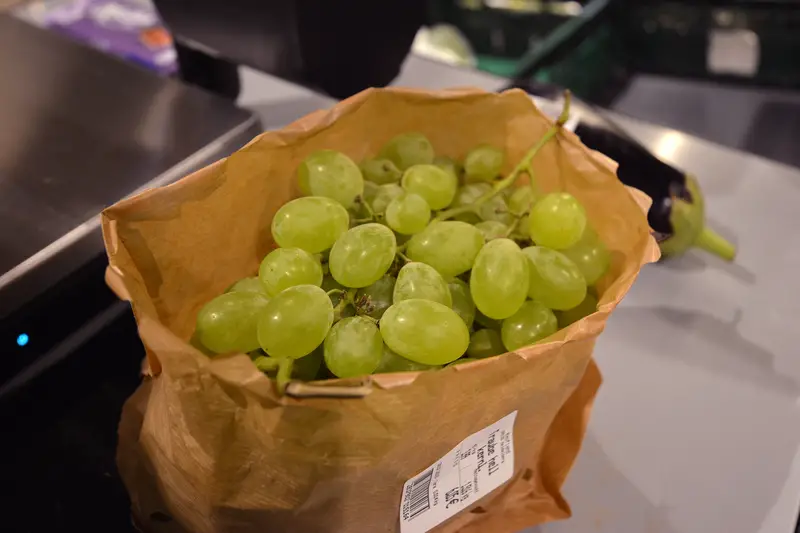
That moment when you reach for a bunch of grapes at the grocery store and notice someone else just popped one in their mouth is pretty common these days. Some people do it without thinking twice, while others find it completely disgusting. The thing is, there’s no real agreement on whether sampling grapes at the store is okay or totally inappropriate. Even The Simpsons made a joke about it, which shows just how much this topic gets under people’s skin.
The great grape debate splits shoppers into two camps
Walk into any grocery store and you’ll find people who feel strongly about grape sampling on both sides. Half of them think it’s stealing and unhygienic, especially after everything we learned about germs during the pandemic. The other half believes that paying top dollar for produce means they deserve to know what they’re buying before committing to a whole bag. It’s not like grapes come with a satisfaction guarantee printed on them.
The anti-sampling crowd points out that it’s hard to find a bag of grapes that hasn’t been opened by someone else’s hands. Think about it – what if the person before you sneezed into their hand and then reached in to grab a sample? That’s a pretty gross thought. Even though everyone knows you should wash produce before eating it anyway, there’s still something unsettling about strangers touching food that might end up on your kitchen counter.
Why grape sampling feels different from other produce
Nobody’s taking a bite out of an apple or peeling a banana in the produce section, so what makes grapes special? The size matters more than you might think. A single grape costs maybe a penny, and since they’re sold by the pound, one missing grape doesn’t really change the price. Plus, grapes are one of those fruits where you genuinely can’t tell if they’re sweet or sour just by looking at them. Some bunches are perfect and others taste like disappointment.
The way stores display grapes also makes a difference. They’re usually in open bags that anyone can reach into, unlike fruits that come in sealed containers. Years ago, grapes often came in plastic packaging that you’d have to rip open, and nobody was doing that just for a taste test. Now that they’re more accessible, the temptation is right there. It’s also worth noting that some stores let you husk corn on the cob to check what you’re buying, so the rules about sampling produce really aren’t consistent from place to place.
What grocery stores actually say about the practice
Turns out, most major grocery chains don’t actually mind if you sample grapes. Susan Morris from Albertsons Companies, which runs Safeway, Shaw’s, and ACME stores, says they’d love for customers to try their grapes. The catch? They want you to ask a store employee first to keep things sanitary. The employee can tell you if the grapes have been washed and might even recommend which type tastes best depending on the season.
Whole Foods Market takes it a step further by actually putting out sample domes in their produce department where you can help yourself to grapes. They wash them and set them out specifically for customers to try before buying. Laurie McCann, who spent over 40 years working customer service at ShopRite, admits that store owners probably aren’t thrilled about people eating their profits. But she says employees typically look the other way as long as someone isn’t demolishing the entire bag.
The actual etiquette rules for grocery store sampling
So what’s the right way to handle this if you want to try before you buy? The golden rule is simple – just ask permission from someone who works there first. It takes about five seconds and saves you from looking like you’re sneaking around. The employee can point you toward the best grapes anyway and might offer you a glove to use for sanitary reasons. It’s common courtesy that makes everyone feel better about the situation.
If you do get the okay to sample, stick to one or two grapes maximum. The keyword there is sample, not snack. Taking a whole handful defeats the purpose and crosses the line into actually stealing from the store. Remember that grapes are charged by weight, so technically you’re supposed to pay for what you eat. Keeping it to a couple grapes keeps things reasonable and shows respect for both the store and other customers who might want to buy that same bunch.
When sampling makes sense and when it doesn’t
There are times when trying a grape actually serves a purpose. If you’re comparing different varieties like Cotton Candy grapes versus regular red grapes, a quick taste can help you decide which one to buy. Or if grapes are expensive that week and you want to make sure they’re worth the money, sampling helps you avoid wasting cash on produce you won’t eat. With inflation making groceries more expensive than ever, people want to be certain about their purchases.
On the flip side, if you sample grapes every single time you shop just because you can, that’s pushing it. The practice works because most people use it sparingly and respectfully. If everyone started treating the produce section like an all-you-can-eat buffet, stores would have to crack down on it. The privilege exists because shoppers generally don’t abuse it. Keep in mind that grapes aren’t the only fruit people try – some extend this to berries too – but grapes remain the most commonly sampled item in produce sections.
Why stores encourage sampling despite the cost
Grocery stores aren’t just being nice when they allow grape sampling. They know that letting customers try products often leads to bigger purchases. If you taste a grape and it’s amazing, you’re way more likely to buy two bags instead of one. The small loss from a few sampled grapes gets made up for in increased sales. It’s basically free advertising that happens right there in the produce aisle.
Stores also understand that unhappy customers who buy sour grapes might not come back next time. Allowing samples reduces returns and complaints, which saves money in the long run. Some chains like Whole Foods make it even easier by creating designated sampling areas, which shows they see real value in the practice. The sanitary aspect matters to them though, which is why they prefer customers ask first or use the official sample stations instead of just digging in.
The sanitary concerns people have about shared grapes
The biggest complaint from people who hate grape sampling is the hygiene factor. Multiple hands touching the same produce is genuinely concerning, especially in cold and flu season. Someone could have touched a shopping cart handle, their phone, and their face before reaching into that bag of grapes. Even if they only took one, they’ve potentially contaminated the rest. This is why washing produce at home matters so much, regardless of who touched it at the store.
The pandemic made everyone more aware of how easily germs spread through shared surfaces and food. Some people who used to sample grapes without thinking twice now avoid the practice entirely. Others argue that since you’re going to wash the grapes anyway, it doesn’t really matter. Both viewpoints make sense depending on your comfort level with germs. The reality is that produce gets handled by lots of people between the farm and your home, so a few extra touches at the store might not change much in the grand scheme of things.
How inflation changed attitudes about sampling food
Grocery prices have jumped significantly over the past few years, and that’s made people more protective of their food budgets. When a single bag of grapes costs eight or nine dollars, you really want to make sure they’re good before buying them. Store employees understand this concern, which is why they’re generally more lenient about sampling now than they might have been in the past. Nobody wants to spend that much money on produce that ends up in the trash.
The financial pressure has also made stores more willing to accommodate customer requests to try products. They know people are shopping more carefully and comparing prices between stores. Allowing samples becomes a way to build customer loyalty and trust. If shoppers feel confident they’re getting quality produce at your store, they’re more likely to keep coming back instead of driving to a competitor. This shift benefits both sides – customers get to verify their purchases and stores keep their regulars happy.
What happens if you get caught sampling without asking
So what actually happens if an employee sees you pop a grape in your mouth without permission? Probably nothing, to be honest. Most store workers aren’t going to confront you over a single grape. They have more important things to worry about than grape police duties. However, if you’re obviously eating several grapes or making it a regular habit, someone might politely remind you to ask first next time.
You’re definitely not getting arrested over a grape, despite it technically being theft. Security focuses on actual shoplifting problems, not someone testing produce. That said, repeatedly taking advantage without asking shows poor etiquette and makes you that customer everyone remembers for the wrong reasons. The simple act of asking permission changes the entire situation from questionable behavior to perfectly acceptable shopping practice. It takes zero effort and keeps everything above board, so there’s really no good reason not to do it.
The grape sampling debate isn’t going away anytime soon, but at least now you know where everyone stands. Whether you’re team sample or team never-touch, the important thing is being respectful of other shoppers and store policies. Ask before you taste, keep it to a couple grapes max, and remember that everyone’s just trying to get their groceries and go home. A little courtesy makes the whole experience better for everyone involved.

