

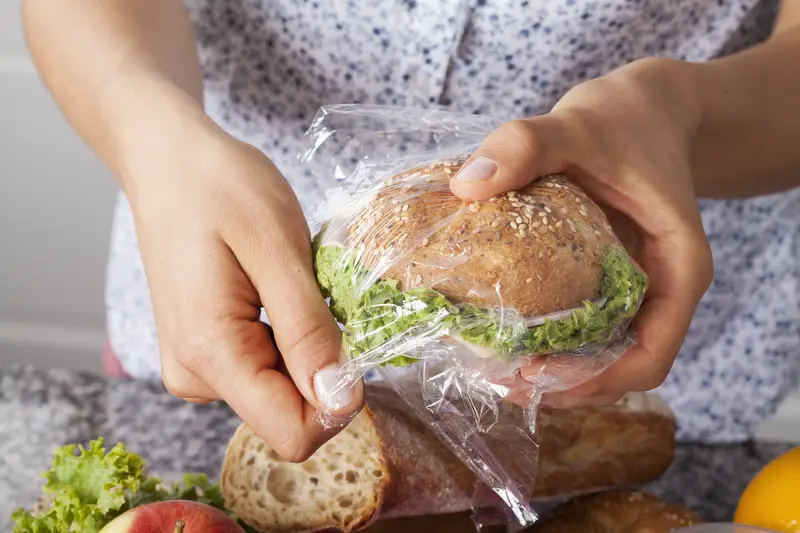
We’ve all done it—grabbed the aluminum foil or plastic wrap to bundle up a sandwich before tossing it in a lunch box or backpack. It seems like the easiest way to keep everything together, right? But here’s the thing: wrapping your sandwich isn’t always doing you any favors. In fact, it might be making your lunch worse. And honestly, once you understand what’s actually happening inside that wrapped package, you’ll probably think twice before reaching for the foil again.
The moisture trap nobody talks about
When you wrap a sandwich tightly in foil or plastic, you’re basically creating a little moisture prison. And that’s terrible for most sandwiches. Even if your sandwich isn’t hot when you wrap it up, the covering still traps heat and condensation. I mean, think about what happens to a tuna salad sandwich on soft white bread after it’s been wrapped for a couple hours. The moisture from the filling has nowhere to go, so it just soaks right into the bread. Pretty soon, you’re dealing with a soggy, compressed mess that barely resembles the sandwich you made that morning.
The tighter you wrap it, the worse it gets. Why does this keep happening? Because the wrap doesn’t just hold moisture in—it also squishes everything together, forcing liquid out of your fillings and straight into the bread. Not ideal.
Soft bread makes everything worse
If you’re using soft, pre-sliced sandwich bread from the grocery store, wrapping it is basically asking for trouble. That bread doesn’t have any defense against moisture. After trying these wrapped sandwiches too many times, I’ve learned that the softer the bread, the faster it turns into mush. The last time I ordered a wrapped sandwich from a deli, the bottom slice was completely saturated by lunchtime. Totally ruined.
Hot sandwiches need breathing room
Okay, so what about hot sandwiches like paninis or grilled cheese? They’re supposed to stay warm and melty, right? Well, yes and no. A little steam can actually help meld the ingredients together and keep the cheese gooey. But too much steam trapped inside foil or plastic wrap will turn your bread soggy super fast. I’ve noticed that if you wrap a hot sandwich immediately after cooking, all that excess moisture has nowhere to escape. The bread goes from crispy and golden to soft and limp. Not worth it.
And look, the texture never gets better once it’s gone soggy. You can’t fix it. So if you’re dealing with a hot sandwich, at least let it cool down for a few minutes before wrapping it. That gives some of the steam a chance to escape first.
When wrapping actually makes sense
Here’s the thing though—wrapping isn’t always bad. Sometimes it’s actually useful. If you’ve got a panini that needs to stay warm during a short commute, foil can help. Or if you’re packing something sturdy like a sub on crusty bread with dry fillings, wrapping might keep everything in place without causing sogginess. But most of the time? You’re better off skipping it. Does anyone actually prefer a compressed, soggy sandwich over a fresh one? I don’t think so.
Parchment paper is your best friend
If you absolutely need to wrap your sandwich, don’t reach for plastic wrap or aluminum foil. Use parchment paper instead. It’s porous, which means it lets some moisture escape while still holding your sandwich together. And it won’t squeeze your sandwich as tightly as plastic or foil does. That means your bread stays in its original shape instead of getting pressed down onto wet fillings like chicken salad or juicy tomatoes.
Parchment paper basically solves most of the problems that come with wrapping. It’s kind of a game-changer if you’ve been dealing with soggy lunches. Plus, it’s easier to unwrap when you’re ready to eat. No more fighting with clingy plastic that tears your sandwich apart.
Bread choice matters way more than you think
Even if you’re using parchment paper, your bread choice is still super important. The softer and thinner your bread is, the faster it’ll get soggy—wrapped or not. If you’re planning to wrap a sandwich for later, start with something sturdy. Think ciabatta, sourdough, or any rustic loaf with a thick crust. These breads can handle moisture way better than flimsy white bread. They’ve got structure. They can fight back against wetness, at least for a while.
I mean, it’s pretty much impossible to fully saturate a thick slice of country bread in just a few hours. But that grocery store white bread? It doesn’t stand a chance. Every time I’ve had those sandwiches wrapped up, they’re soggy before noon.
Plastic containers might be the better move
Honestly, if you’re packing a sandwich for work or school, maybe just skip wrapping altogether. A reusable plastic container or a lunch box with compartments keeps your sandwich protected without trapping all that moisture. And you don’t have to worry about compression either. Your sandwich stays fluffy, your fillings stay in place, and nothing gets soggy. Seems like the obvious solution, right?
But I get it—wrapping feels more convenient. You don’t have to carry a bulky container around. Still, is it really worth sacrificing sandwich quality just to save a little space? That’s the trade-off you’re making.
Some fillings just shouldn’t be wrapped
Certain sandwich fillings are basically begging to turn your bread into a soggy disaster when wrapped. Tuna salad, egg salad, chicken salad—anything with mayo or a creamy base is going to release moisture. Same goes for tomatoes, pickles, or any kind of wet condiment. If your filling is moist, wrapping it tightly is a bad idea. Period.
And look, even if you use parchment paper, these fillings are still going to cause problems if you’re wrapping them hours before eating. So either pack your sandwich in a container, or assemble it right before you eat it. Those are pretty much your only options if you want to avoid sogginess.
The reality of lunch prep
At the end of the day, wrapping sandwiches is about convenience. It’s fast, it’s simple, and it works in a pinch. But convenience doesn’t always equal quality. If you’re meal prepping for the week or packing lunches for your kids, you might want to rethink your wrapping habits. Because nobody actually enjoys eating a soggy, compressed sandwich. Not really. And if you’re going through the effort to make a good sandwich in the first place, why ruin it with foil or plastic wrap?
Try switching to parchment paper or using containers instead. Your sandwiches will thank you. Sort of. Anyway, the difference is totally noticeable once you make the change, and you’ll probably wonder why you didn’t do it sooner.

