

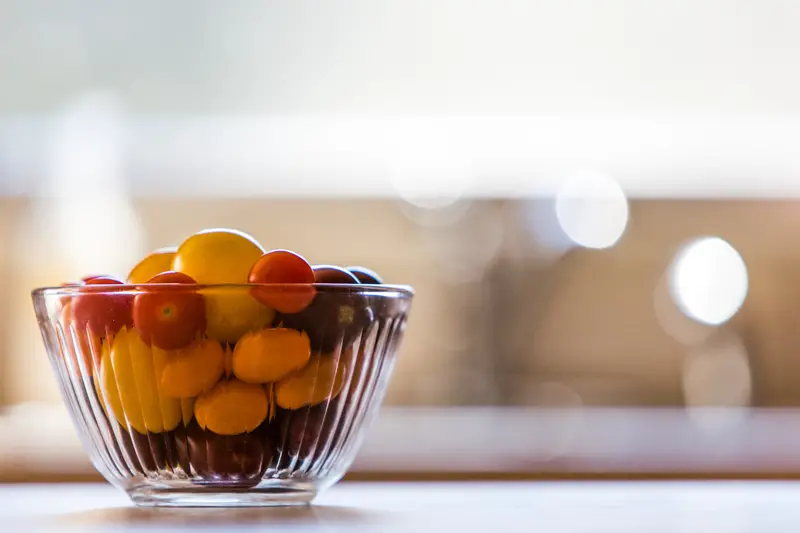
I grew up watching my mom put tomatoes in the fridge. Every single time she came home from the grocery store, those red beauties went straight into the crisper drawer alongside the lettuce and bell peppers. And every single time, by Tuesday, those tomatoes tasted like cold, mealy disappointment. I just assumed that’s what store-bought tomatoes were — bland, grainy, and sad. Turns out, the tomatoes weren’t the problem. The fridge was.
This isn’t some fringe opinion from a food snob on the internet. There’s actual science behind why refrigerating tomatoes wrecks them, and once you understand what’s happening inside that fruit (yes, it’s a fruit), you’ll never toss one in the fridge again. Or at least, you’ll think twice before you do.
Cold Temperatures Literally Kill Tomato Flavor
Here’s the short version: when you cool a tomato below about 54 degrees Fahrenheit, it stops producing some of the volatile compounds that give it flavor. Not reduces — stops. Your average fridge runs somewhere between 35 and 38 degrees, which means it’s a full 15 to 20 degrees colder than a tomato can handle without losing what makes it taste like a tomato.
Researchers figured this out by studying the gene activity in chilled versus room-temperature tomatoes. The cold doesn’t just slow things down temporarily — it actually shuts off certain genes responsible for producing flavor compounds. And here’s the kicker: even after you take the tomato out and let it warm back up on the counter, a lot of that damage is permanent. The genes don’t just flip back on like a light switch. Some of that lost flavor is gone for good.
Think about that. You buy a perfectly good tomato, stick it in the fridge for two days, and it comes out looking the same but tasting noticeably worse. It’s like buying a speaker and immediately turning the bass all the way down. Same speaker, just worse.
That Mealy Texture Isn’t Your Imagination
It’s not just flavor that takes a hit. That grainy, mushy texture you get from a refrigerated tomato? That’s real, and it’s caused by the cold breaking down the cell walls inside the fruit. Tomatoes have a high water content — around 95% — and when you chill them, the cellular structure starts to deteriorate. The result is a tomato that feels like wet sand when you bite into it.
This is the same reason you don’t refrigerate bananas or avocados before they’re ripe. Cold storage messes with the ripening process and degrades texture in fruits that weren’t designed to be stored at near-freezing temperatures. Tomatoes are tropical plants. They come from warm climates. They evolved in conditions where the coldest it got was maybe the low 50s at night. Your GE refrigerator set to 37 degrees is basically the Arctic to a tomato.
The texture problem is especially noticeable with slicing tomatoes — your big beefsteaks and those large vine-ripened ones from the store. Cherry and grape tomatoes hold up slightly better because of their smaller size and thicker skin-to-flesh ratio, but they still suffer.
The Counter Is Where They Want To Be
So where should you keep tomatoes? On your kitchen counter. That’s it. No special containers, no fancy storage hacks. Just set them out at room temperature, ideally somewhere around the mid-60s, and let them do their thing.
If your tomatoes are still a little firm or not fully ripe when you bring them home, the counter is even more important. Tomatoes continue to ripen after they’re picked, and they need warmth to do it properly. The enzymes that break down the acids and develop sugars only work within a certain temperature range. Below 54 degrees, those enzymes basically go dormant.
A good rule: stem side down. Place your tomatoes with the stem scar facing the counter. This blocks air from entering through the scar where the stem was attached, which slows down moisture loss and helps prevent the bottom from getting soft and bruised. It’s a small thing, but it genuinely makes a difference over two or three days.
But What If They’re Already Super Ripe?
Okay, here’s where things get a little more nuanced, because life doesn’t always cooperate with food science. Let’s say it’s August, you went overboard at the farmers market, and now you’ve got eight tomatoes on the counter that are all perfectly ripe at the same time. You can’t eat them all today. What then?
Some people — and this is a genuinely debated topic in cooking circles — argue that in this specific situation, refrigerating ripe tomatoes for a day or two is the lesser of two evils. The logic goes like this: a slightly chilled but intact tomato is better than a room-temperature tomato that’s turned to mush because it sat out three days past its prime. And there’s something to that argument. A fully ripe tomato at room temperature will go bad fast — sometimes within 24 hours in a hot kitchen.
If you do refrigerate them, the move is to take them out at least 30 minutes to an hour before you eat them. Letting them come back to room temperature won’t restore all the lost flavor compounds, but it helps. A cold tomato tastes worse than a room-temperature tomato even if neither one has been in the fridge, simply because cold suppresses your ability to perceive flavor. Your tongue is less sensitive to sweetness and aromatic compounds at lower temperatures.
Where In The Fridge Matters Too
If you absolutely must refrigerate a tomato — maybe it’s already cut, or it’s going to rot on the counter — placement inside the fridge matters more than most people think. The top shelf near the door is the warmest spot in most refrigerators. The back of the bottom shelf is the coldest. You want the warmest spot you can find.
The door shelf fluctuates in temperature every time you open the fridge, which isn’t ideal for milk or eggs, but for a tomato you’re trying to keep from getting too cold, it’s actually not bad. You’re looking at maybe 40 to 45 degrees in that zone versus 35 degrees in the back. Those five degrees can make a real difference for a fruit that starts losing flavor at 54.
And never, ever put tomatoes in the crisper drawer. That’s the coldest, most humid part of the fridge — great for leafy greens, terrible for tomatoes. The combination of cold and moisture accelerates the texture breakdown and can even encourage mold growth around the stem scar.
The Grocery Store Already Messed Them Up
Here’s an uncomfortable truth: most grocery store tomatoes were already refrigerated before they got to you. Large-scale tomato production in the U.S. typically involves picking tomatoes while they’re still green and hard, then shipping them in cold storage to extend their shelf life. Once they arrive at the distribution center, they’re often gassed with ethylene to trigger ripening so they turn red in time for the store shelf.
This process is why grocery store tomatoes so often taste like nothing compared to what you grow in your backyard or buy at a farmers market. The damage was done before you even got involved. That Roma tomato from Walmart was probably picked in Florida three weeks ago, spent most of that time below 50 degrees, and was force-ripened in a warehouse. You putting it on the counter at home helps, but it’s fighting uphill at that point.
This is also why heirloom tomatoes from local farms taste so insanely different. They’re usually picked ripe or close to it, they’ve never been refrigerated during shipping, and they haven’t traveled 1,500 miles in a truck. The flavor compounds were never shut down. You’re tasting what a tomato is actually supposed to taste like.
How Long Do Counter Tomatoes Actually Last?
This depends entirely on how ripe they are when you buy them. A tomato that’s still a bit firm and pale around the shoulders will last five to seven days on the counter, easy. A dead-ripe, deep red, slightly soft tomato? You’ve got maybe two days before it starts going south.
The trick is to buy tomatoes at different stages of ripeness if you want them to last through the week. Grab a couple that are ready to eat now and a couple that still need a day or two. Stagger your supply like you’d stagger bananas.
If you notice a tomato starting to get soft spots or wrinkles, that’s your signal to use it immediately — chop it into a pasta sauce, toss it in a salad, or just eat it with salt and olive oil. Don’t wait. Once it crosses that line, no amount of storage is going to save it.
The One Exception Nobody Talks About
Cut tomatoes are a completely different story. Once you’ve sliced into a tomato, the counter is no longer a safe option. Exposed tomato flesh at room temperature is a playground for bacteria, and the USDA recommends refrigerating any cut produce within two hours. So if you only need half a tomato, wrap the other half tightly in plastic wrap or stick it in an airtight container and put it in the fridge. Use it within a day or two.
The same goes for anything you’ve already made with tomatoes — bruschetta, pico de gallo, tomato salad. Once it’s prepped, it needs to be cold. Food safety trumps flavor every time.
But for whole, uncut tomatoes? Keep them out. Let them sit in the sun on your counter like the warm-weather fruit they are. Your sandwiches, your salads, and your BLTs will thank you.

