

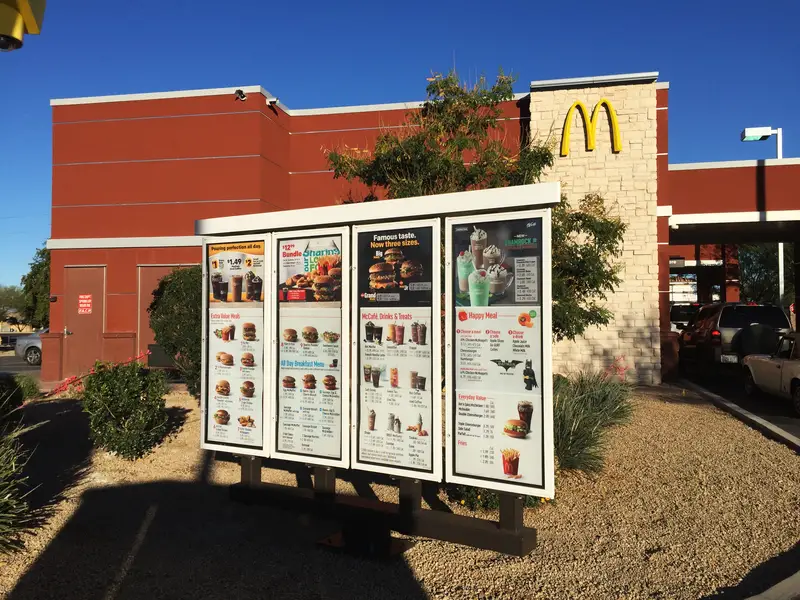
McDonald’s is rolling out some pretty major changes to its drive-thru experience in 2026, and honestly, it’s about time. After years of the same setup, the fast food giant is basically overhauling everything from AI technology to the physical layout of drive-thru lanes. Some of these updates sound promising, while others have customers a bit skeptical about what’s coming.
AI accuracy scales are making a comeback
After McDonald’s removed its AI ordering system back in 2024 because it kept messing up orders, they’re ready to try again. And this time they’ve partnered with Google Cloud to power something called Accuracy Scales. The concept is pretty straightforward – your order gets weighed before it’s handed over to make sure everything’s actually in the bag. I mean, we’ve all gotten home and realized our fries were missing, right? This technology is supposed to catch those mistakes before you drive away.
The system works by comparing the actual weight of your order against what it should weigh based on what you ordered. If there’s a mismatch, staff can double-check the bag. It’s not clear exactly how they calculate the target weight, but it probably factors in the number of items and their type. But here’s the thing – will it actually work better this time? The last AI system was kind of a disaster, so customers are understandably cautious about this new rollout.
Voice-activated chatbots might take your order
McDonald’s isn’t just stopping at weighing orders. They’re also bringing back AI chatbots to actually take your drive-thru order, similar to what Wendy’s has been doing. This has been in the works since 2019, but the technology just wasn’t ready until now. The new Edge platform from Google is supposed to make the whole process smoother and way more accurate than before.
Not everyone’s thrilled about this though. According to surveys, about 55% of people would rather talk to an actual human when ordering. Plus there’s the obvious concern about jobs – what happens to all those workers who currently take orders? And will the AI understand you when you’re mumbling through your mask or if you’ve got a strong accent? These are questions that haven’t really been answered yet. The technology sounds good on paper, but real-world application is totally different.
Multiple lanes are expanding everywhere
If you haven’t seen the multi-lane drive-thrus yet, you probably will soon. McDonald’s has been adding extra lanes at busy locations – sometimes up to three lanes at the busiest spots. The idea is simple: more lanes mean more capacity, which means faster service and shorter wait times. At least that’s the theory.
But does it actually work? Some customers on Reddit have complained that it’s basically just a gimmick that makes the line look shorter than it really is. People don’t always know which lane to get in, and it can create confusion and bottlenecks. On the other hand, employees who’ve worked with the system say it does help move things along when it’s super busy. The multi-lane setup isn’t perfect, but it does increase the number of customers they can serve during peak hours.
Ready on Arrival is going global
McDonald’s Ready on Arrival program uses geo-fencing technology to start making your order as soon as you get close to the restaurant. When your phone enters a virtual boundary around the location, the kitchen staff gets alerted and can start preparing your food right away. This could cut wait times in half, which is honestly pretty impressive if it works consistently.
The program is expanding to six more markets in 2026, including major ones like the U.S., Japan, and the U.K. Other chains like Chick-fil-A already use similar technology with good results. And the new Edge platform will support this feature too, making it more reliable across different locations. After trying mobile ordering at various locations, I’ve noticed the wait times can be all over the place – sometimes it’s ready when you arrive, other times you’re still waiting for ten minutes in a parking spot.
Google Cloud is powering everything
Behind all these changes is McDonald’s new partnership with Google Cloud and their Edge computing platform. This is basically the brain that’ll run all the smart equipment in the kitchens and drive-thrus. The platform is designed to monitor equipment, alert staff when something breaks down, and optimize production times based on how busy it is. It’s supposed to reduce downtime and keep food quality consistent across all locations worldwide.
The technology sounds super advanced, and it probably is. But technology is only as good as its implementation, you know? McDonald’s has tried tech upgrades before with mixed results. The Edge platform needs to actually deliver on its promises if customers are going to trust these new AI systems. Will it make a real difference in your drive-thru experience? That remains to be seen.
The chicken menu is getting a major upgrade
While we’re talking about drive-thru changes, it’s worth mentioning that McDonald’s is also focusing way more on chicken in 2026. The Snack Wrap comeback was so popular it caused lettuce shortages at some locations, which proved that people are definitely interested in more chicken options. So McDonald’s is capitalizing on that success with upgraded crispy chicken sandwiches, new wraps, and other chicken items.
This ties into the drive-thru updates because more menu variety means the kitchen technology needs to handle more complex orders efficiently. The new AI systems and kitchen equipment are being designed with this expanded menu in mind. And honestly, more chicken options is never a bad thing. The question is whether the quality will be consistent across all these new items, especially during the rush.
Enhanced mobile ordering integration
McDonald’s is also upgrading its mobile ordering system to work better with all the new technology. The Google Cloud AI tools should reduce miscommunication between mobile orders and kitchen staff, which has been a problem at times. How many times have you placed a mobile order and still had to wait forever or found items missing? These upgrades are meant to fix those issues by streamlining the entire process from order to pickup.
The enhanced system will connect more seamlessly with the drive-thru operations, especially the Ready on Arrival feature. Customers who order through the app should see faster service and fewer errors. Plus the loyalty program is expanding, with McDonald’s aiming to grow from 150 million to 250 million active users. Better mobile integration is key to making that happen, since app users tend to be the most loyal customers anyway.
What about the human element?
Here’s what nobody really talks about with all these changes – what happens to the employees? AI chatbots taking orders, automated systems checking order accuracy, mobile ordering reducing face-to-face interaction. It all adds up to fewer jobs for actual people. And while efficiency is great, there’s something to be said for human interaction, especially when things go wrong and you need someone to actually help you fix the problem.
Does anyone actually prefer talking to a robot over a person? The surveys say no, but McDonald’s is pushing ahead anyway. The company would probably argue that employees can focus on other tasks, but we all know what usually happens when automation increases. It’s a tough balance between efficiency and maintaining good jobs. These drive-thru changes might make things faster, but they’re also changing the nature of fast food work pretty dramatically.
Will these changes actually improve your experience?
So after all these updates, will your McDonald’s drive-thru experience actually get better? It depends on what you value most. If speed is your main concern, the multi-lane setup and Ready on Arrival program should help, assuming they work as advertised. If you’re tired of missing items in your order, the Accuracy Scales could be a game-changer. But if you prefer human interaction and are worried about AI taking over, these changes might feel like a step in the wrong direction. The technology is impressive, but McDonald’s track record with AI hasn’t been perfect. Time will tell if these 2026 updates deliver on their promises or if they’ll need another overhaul in a few years.

