

Most people buy bananas with the best intentions, planning to eat them throughout the week. By Thursday, those bright yellow fruits have turned into brown, mushy disappointments headed straight for the trash can. What if there was a way to keep bananas fresh for much longer using items already sitting in most kitchens? The secret lies in understanding how bananas ripen and using a few simple techniques to slow down the process.
Most people store whole banana bunches wrong
The biggest mistake people make is leaving banana bunches exactly as they came from the store. Those bananas hanging together look neat and tidy, but they’re actually working against each other. Each banana produces ethylene gas as it ripens, and when they’re all connected, this gas speeds up the ripening process for the entire bunch. It’s like having one overachiever in a group project making everyone else work faster than they want to.
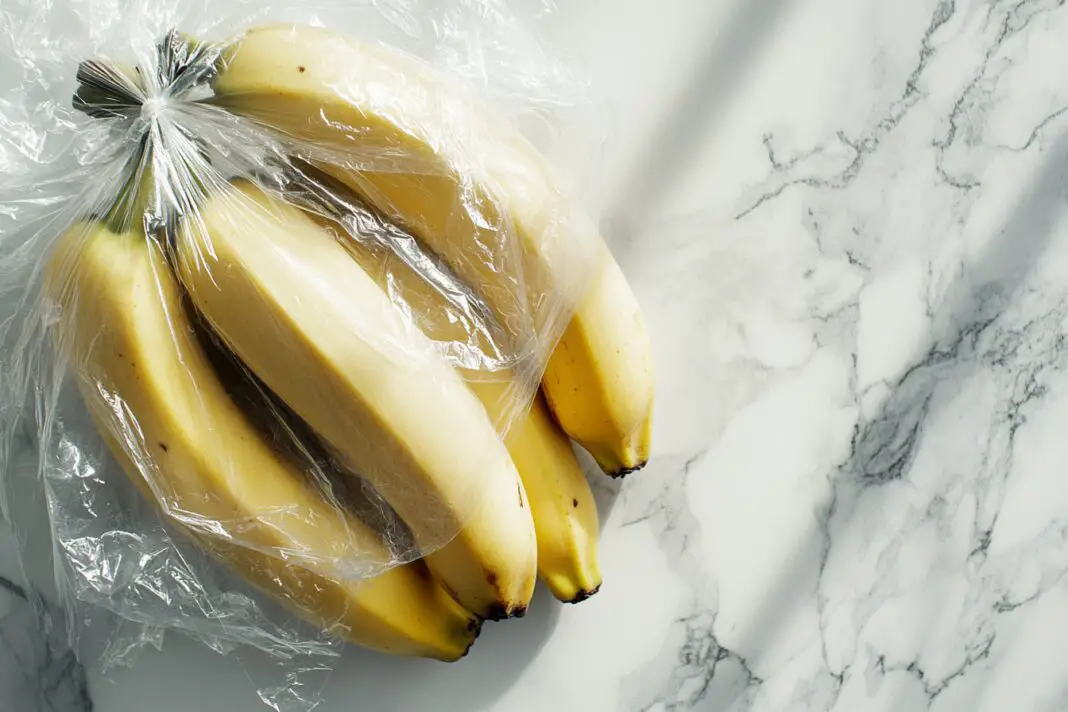
The simple solution starts with wrapping stems in plastic wrap, but there’s more to it than just covering the crown. The plastic wrap creates a barrier that slows down ethylene gas production, which naturally occurs where the stem was cut. This technique works because it limits the gas that triggers the ripening process, giving bananas more time before they start turning brown and soft.
Separating bananas makes them last longer
Taking apart a banana bunch might feel wrong, but it’s one of the most effective preservation methods. When bananas stay connected, the ripest one becomes the leader, releasing ethylene gas that forces all the others to ripen faster. Separating them breaks this chain reaction and gives each banana the chance to ripen at its own pace. Think of it as giving each banana some personal space to mature gracefully.
After separation, wrap each individual stem with plastic wrap for maximum effectiveness. This creates individual barriers around each banana’s ethylene source. The separation method also makes bananas more convenient to grab for quick snacks or lunch boxes. Instead of wrestling with an entire bunch, each banana becomes its own perfectly portioned serving ready to go.
Plastic wrap technique requires proper coverage
The plastic wrap method only works when done correctly. Many people wrap loosely or leave gaps that allow ethylene gas to escape and continue the ripening process. The wrap needs to cover the entire stem area completely, creating an airtight seal. Regular kitchen plastic wrap works perfectly for this job, and it doesn’t require any special materials or expensive storage containers.
When removing a banana from a wrapped bunch, always re-wrap the remaining stems immediately. Leaving them exposed even for a few hours can restart the accelerated ripening process. The wrapping technique works best when combined with proper storage temperature. Room temperature storage works fine, but slightly cooler areas of the kitchen can extend freshness even further without affecting taste or texture.
Banana slices need acid treatment
Cut banana slices turn brown within minutes due to enzymatic browning, the same process that affects apples and avocados. This happens when enzymes inside the banana react with oxygen in the air, creating those unappetizing brown spots. The browning doesn’t make bananas unsafe to eat, but it certainly makes them less appealing for fruit salads, smoothie bowls, or lunch box snacks.
The solution comes from basic kitchen chemistry using acid to disrupt the browning process. Lemon juice works perfectly for this purpose, requiring just a light coating on the cut surfaces. A teaspoon of lemon juice can treat several sliced bananas without making them taste sour. The acid creates a protective barrier that prevents oxygen from reaching the enzymes responsible for browning.
Vinegar works as lemon juice alternative
When lemon juice isn’t available, regular white vinegar provides the same anti-browning protection for banana slices. The acetic acid in vinegar disrupts the enzymatic process just as effectively as citric acid from lemons. Use vinegar sparingly though, as too much can create an unpleasant sour taste that overpowers the banana’s natural sweetness. A few drops distributed evenly across the slices provides adequate protection.
Both lemon juice and vinegar treatments work best when applied immediately after cutting. Waiting even five minutes allows the browning process to begin, making the acid treatment less effective. For meal prep purposes, treated banana slices can stay fresh-looking for several hours when stored in airtight containers. This makes them perfect for preparing fruit salads ahead of time or packing school lunches the night before.
Ethylene gas explains banana ripening speed
Understanding ethylene gas helps explain why some banana storage methods work better than others. This natural plant hormone triggers ripening in many fruits, not just bananas. Commercial banana suppliers actually use ethylene gas to control ripening timing, ensuring bananas reach stores at the perfect yellow stage. The same gas that helps ripen green bananas becomes the enemy when trying to preserve already-ripe fruit.
Bananas produce more ethylene gas as they ripen, creating a feedback loop that accelerates the process. This explains why one overripe banana can quickly turn an entire bunch brown and mushy. The ethylene production occurs primarily at the stem end, which is why wrapping that area provides the most effective preservation results. Controlling ethylene exposure gives people much more control over banana ripening timing.
Temperature affects banana preservation success
Room temperature storage works well for the plastic wrap method, but slightly cooler conditions can extend banana freshness even further. Temperatures around 60-65 degrees Fahrenheit slow down the ripening process without causing the cold damage that occurs in refrigerators. Many people store bananas on kitchen counters near windows or stoves, where temperature fluctuations actually speed up ripening.
Refrigerator storage presents a tricky situation for bananas. While cold temperatures slow ripening, they also cause the peels to turn black quickly. The fruit inside remains perfectly good to eat, but the appearance can be off-putting. The temperature sensitivity of bananas makes them different from most other fruits, requiring special consideration for optimal storage conditions.
Timing matters for wrapping technique
The plastic wrap method works best when applied to bananas at the right ripeness stage. Green bananas benefit from wrapping because it slows their progression to yellow, giving more control over when they’ll be ready to eat. Yellow bananas with slight green on the stems respond well to wrapping, extending their peak eating period by several days. Bananas that are already showing brown spots won’t benefit much from stem wrapping.
For maximum effectiveness, apply the wrapping technique as soon as possible after bringing bananas home from the store. The longer bananas sit unwrapped, the more ethylene gas they produce and absorb from each other. Starting the preservation process early gives the best chance of extending freshness significantly. Even waiting until the next day can reduce the effectiveness of stem wrapping.
Storage location impacts banana longevity
Where bananas are stored makes almost as much difference as how they’re stored. Direct sunlight accelerates ripening, so countertops near windows aren’t ideal locations. Heat sources like stoves, dishwashers, and heating vents also speed up the ripening process. The best storage spots maintain consistent, moderate temperatures away from direct light and heat sources.
Pantries, cool cabinets, or basement storage areas often provide better conditions than kitchen counters. Air circulation helps prevent moisture buildup that can lead to faster deterioration. The storage location becomes even more important when using preservation techniques like stem wrapping, as the right environment maximizes the effectiveness of these methods. Combining proper storage location with stem wrapping can extend banana freshness by a week or more.
These simple banana preservation techniques can transform weekly grocery shopping and reduce food waste significantly. The combination of separating bananas, wrapping stems, and proper storage creates a system that keeps bananas fresh much longer than traditional methods. Next time those bananas start looking too ripe too soon, remember that a little plastic wrap and some basic science can save both money and breakfast plans.

