

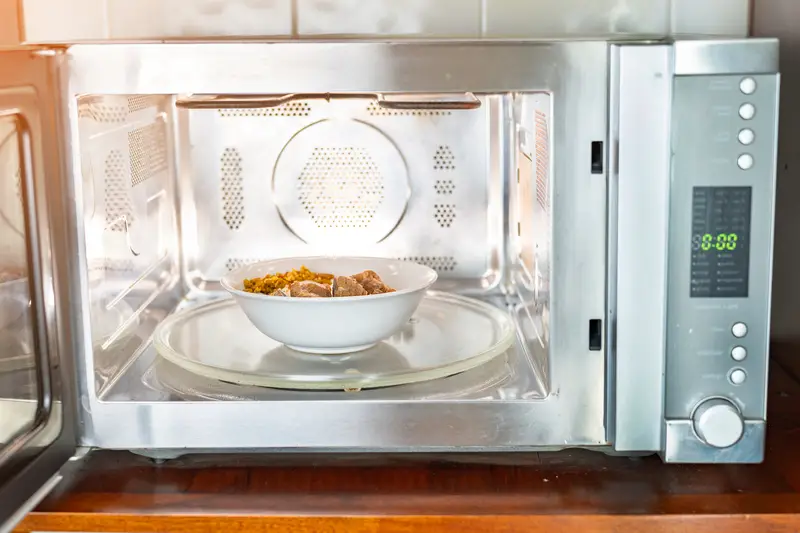
Reheating meat in the microwave seems pretty straightforward, but honestly, it’s where most people mess up their leftovers. You toss yesterday’s steak or chicken in there, hit a few buttons, and what comes out is basically rubber. I mean, we’ve all been there. But it doesn’t have to be that way if you know what you’re doing.
Why microwave meat dries out so fast
The biggest problem with reheating meat is that microwaves heat unevenly. They create hot spots that cook some parts way too much while other parts stay cold. And when meat gets overcooked, it loses moisture fast. The proteins tighten up, squeezing out all the juices, and you’re left with something tough and chewy. It’s not the microwave’s fault entirely—it’s just how the technology works. Microwaves target water molecules, and once those evaporate, there’s nothing left to keep your meat tender.
But here’s the thing: if you add moisture back into the equation and control the heating process, you can actually get pretty decent results. Not restaurant-quality, but way better than the dried-out disaster most people end up with.
Use short intervals instead of one long blast
This is where most people go wrong. They set the timer for two or three minutes and walk away. Don’t do that. According to Food Network, you should reheat in 30-second to 1-minute intervals, checking and rotating the meat between each round. It takes a bit longer, sure, but the results are so much better.
After trying these shorter intervals, I’ve noticed the meat heats way more evenly. You can catch it before it overcooks, and you’re not dealing with those cold spots in the middle. Basically, you’re giving yourself control instead of just hoping for the best.
Always add moisture before reheating
Here’s something that makes a huge difference: add liquid before you start reheating. A splash of water, broth, or even leftover sauce keeps the meat from drying out. The steam created inside the container helps reheat the meat more gently and keeps it moist. I mean, it’s such a simple step, but so many people skip it.
You can also cover the plate with a damp paper towel. This creates steam too, and it has the bonus of preventing sauce from splattering all over your microwave. Though honestly, I still end up with some mess anyway. Why does that keep happening? But the towel method works pretty well for chicken and pork especially.
Cut larger pieces into smaller portions
If you’re reheating a thick piece of meat like a steak or pork chop, slice it up first. Smaller pieces heat way faster and more evenly than one big chunk. The last time I reheated a whole chicken breast without cutting it, the edges were overcooked while the center was still cold. Total waste.
Cutting the meat also exposes more surface area, which means the moisture you added can penetrate better. And it’s just more practical—you can mix the sliced meat with rice or veggies and reheat everything together in one go.
Lower your microwave power setting
Most microwaves have a power setting, but hardly anyone uses it. If you’re reheating delicate proteins like fish or chicken, try using 50-70% power instead of full blast. It takes longer, but the gentler heat means the meat won’t toughen up as fast. Every time I’ve reheated salmon on full power, it’s come out rubbery and dry. At lower power, it actually stays pretty tender.
This trick is super helpful for thicker cuts too. A lower setting gives the heat more time to reach the center without overcooking the outside. It’s kind of like the difference between searing something on high heat versus braising it low and slow. The microwave isn’t exactly braising, but you get the idea.
Arrange meat in an even layer on your plate
Don’t pile everything in the middle of the plate. Spread your meat out in a single, even layer so the microwaves can hit all of it at once. When you stack things up, the middle stays cold while the edges get overcooked. I’ve noticed this makes such a difference, especially when reheating multiple pieces of chicken or meatballs.
And if you’re reheating meat with other foods, start with the densest item first—like the meat—and then add quicker-heating things like veggies or rice partway through. That way everything finishes at the same time and nothing gets overdone.
Use a microwave-safe lid or cover
Covering your meat while it reheats traps steam inside, which keeps moisture in and prevents splatters. You can use a microwave-safe lid, plastic wrap (with a vent), wax paper, or parchment paper. A damp paper towel works too, like I mentioned earlier. Just don’t use aluminum foil—that’ll cause sparks and possibly ruin your microwave.
Some containers are better than others for this. Glass and ceramic bowls with lids work best because they distribute heat evenly. Plastic containers can warp or melt, and they’re not always safe for reheating food anyway. Basically, stick with glass if you can.
Check the internal temperature for safety
Reheated meat needs to reach a safe internal temperature to kill any bacteria. The USDA says chicken should hit 165°F, beef and pork should reach 145°F, and fish should also get to 145°F. Does anyone actually check this every time? Probably not, but it’s a good idea, especially if the meat’s been sitting in your fridge for a few days.
A quick-read meat thermometer makes this super easy. Just stick it in the thickest part of the meat after reheating. If it’s not hot enough, pop it back in for another 30 seconds and check again. At least you know it’s safe to eat.
Some meats reheat better than others
Let’s be honest—not all meats are going to taste great reheated in the microwave. Steak, for example, almost always comes out worse than it started. The texture changes, and it loses that fresh-off-the-grill flavor. Ground meat like meatballs or taco filling tends to reheat pretty well, though, since it’s already in smaller pieces and mixed with moisture from sauces or seasonings.
Chicken can go either way depending on how it was cooked originally. Grilled chicken dries out fast, but chicken in sauce or stew stays moist. Pork chops are tricky too—they get tough if you’re not careful. And bacon? Forget it. Microwaved bacon never tastes right after reheating. Some things are just better eaten fresh or reheated another way, like in the oven or on the stovetop.
But if you’re in a hurry and the microwave is your only option, following these tips from sources like CNET and Anyday will get you way better results than just zapping it on high and hoping for the best. It’s not rocket science, but a little attention goes a long way.

