

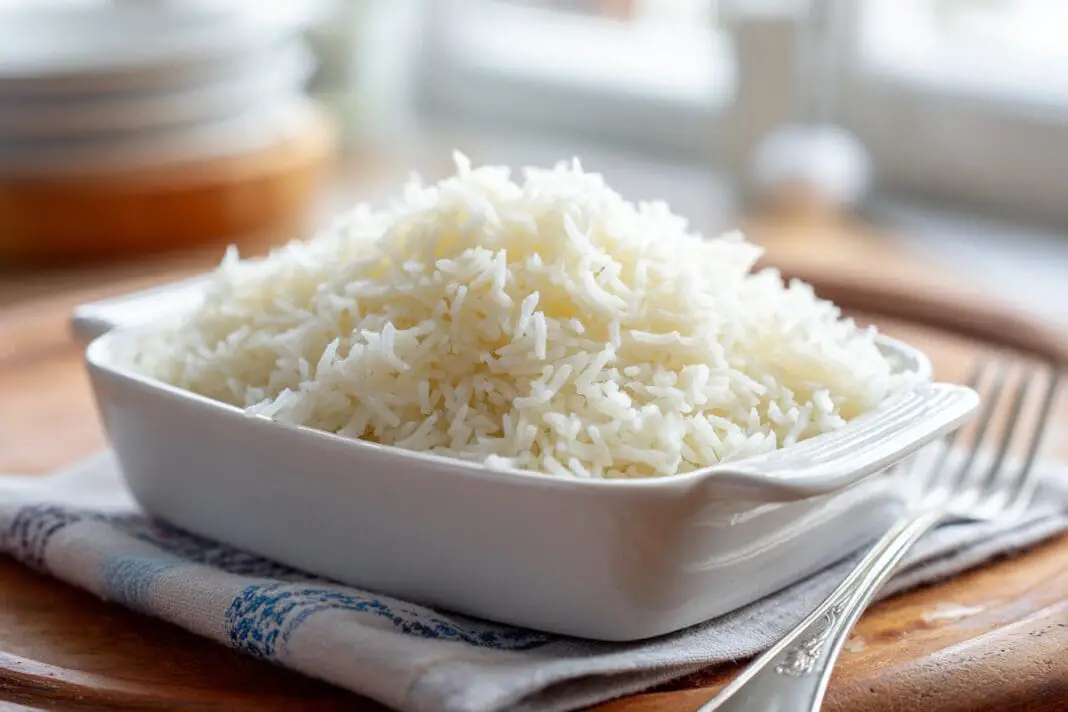
Ever notice how the rice at your favorite restaurant always turns out perfectly fluffy and tasty, while yours at home ends up gummy or bland? It’s not just you. There’s a reason professional kitchens consistently nail it every single time, and it’s not because they have some secret magic formula you can’t learn. Most of what makes restaurant rice better comes down to a few simple tricks with ingredients and technique that anyone can master in their own kitchen.
Better quality rice makes all the difference
When you’re standing in the grocery store aisle looking at ten different bags of rice, you probably just grab whatever’s cheapest or closest. Restaurants don’t do that. They pick higher-grade rice because the quality really does matter once it’s cooked. Lower-quality rice has more broken grains, blemishes, and inconsistent starch levels that can make your finished rice turn out mushy or chalky. Higher-grade basmati and jasmine rice simply have better aroma, texture, and taste right out of the bag.
Look for rice that comes from regions known for specific varieties, like basmati from India or jasmine from Thailand. You might need to check out an Asian market or specialty store rather than just grabbing whatever’s on sale at the regular grocery store. Aged basmati is especially good because it cooks up fluffier than newer rice. Yes, it costs a bit more, but when you’re eating rice several times a week, spending an extra dollar or two on a bag that’ll last you weeks is totally worth it for rice that actually tastes good.
Always rinse your rice three to five times
This step seems annoying when you just want to get dinner on the table, but skipping it is probably the biggest mistake home cooks make. Rice grains rub against each other during packaging and shipping, creating a layer of excess starch on the outside. When you cook rice without rinsing that starch off first, it dissolves into the water and makes everything gummy and tacky. Restaurants know this, which is why they always rinse their rice thoroughly before cooking it, even when they’re making huge batches for the dinner rush.
To rinse rice properly, put it in a large bowl and cover it with cold water. Swish it around with your hand, then pour off the cloudy water. Repeat this process three to five times until the water runs mostly clear instead of milky white. It takes maybe three minutes total, and the difference in your finished rice is huge. You’ll end up with grains that are separate and fluffy instead of one big sticky blob that clumps together on your plate.
Adding butter changes everything about the taste
Want to know one of the simplest secrets to why restaurant rice tastes richer and more interesting than yours? They add fat to it. Whether it’s butter, olive oil, or ghee depends on what kind of dish they’re making, but that little bit of fat makes a massive difference in both taste and texture. Adding butter gives rice a fuller, richer taste that makes even plain rice actually enjoyable to eat on its own. Plus, the fat coats the grains and helps prevent them from sticking together, which is perfect when you want fluffy, separated rice.
Use about half to one tablespoon of butter or oil for every cup of uncooked rice. You can either add it to the water before cooking or stir it in after the rice is done, depending on how pronounced you want the buttery taste to be. Ghee works great for Indian dishes, olive oil is perfect for Mediterranean recipes, and regular butter is good for pretty much everything else. Just remember that adding fat makes rice fluffier, so if you’re making sushi rice or something that needs to stick together, skip this step.
The right water-to-rice ratio actually matters
Most people just eyeball the amount of water they throw in with their rice, and then wonder why it comes out too dry or too mushy. Professional kitchens measure this stuff because the ratio really does affect how your rice turns out. For most white rice like basmati or jasmine, you want about 1.25 parts water to one part rice. That’s one cup of rice to one and a quarter cups of water. Brown rice needs way more water and longer cooking time because it still has the bran layer on it.
Getting this ratio right means your rice will absorb all the liquid and come out perfectly cooked instead of swimming in extra water or being crunchy in the middle. If you find your rice consistently turning out too wet or too dry, adjust the water amount slightly next time rather than changing your cooking time. Different rice varieties need different amounts of water, so once you find what works for your favorite kind, stick with it.
Cooking rice in the oven works better than stovetop
This might sound weird, but many high-end restaurants actually cook their rice in the oven rather than on the stovetop. Why? Because when you cook rice on the stove, all the heat comes from the bottom of the pot. This can make the rice on the bottom cook differently than the rice on top, even if you’re using a lid. In the oven, the heat surrounds the pot from all sides, so every grain cooks more evenly. You don’t have to worry about hot spots or stirring or any of that.
To cook rice in the oven, put your rinsed rice, water, butter, and salt in a baking dish and cover it tightly with foil. Bake it at 375°F for about 40 to 45 minutes, then let it rest for another five minutes before fluffing. The rice comes out evenly cooked with no burnt bits on the bottom and no undercooked grains on top. It’s also hands-off, so you can work on the rest of your meal while the rice takes care of itself.
Never skip the resting time after cooking
Once your rice is done cooking, your first instinct is probably to take the lid off and start eating. Don’t do that. Restaurants always let their rice rest for at least five to ten minutes after cooking, and this step is actually super important. During the resting time, the steam continues to cook the rice gently and helps it firm up. If you dig into it immediately, the grains on the bottom will be mushy and wet while the ones on top might still be a bit firm.
Keep the lid on your pot or baking dish during the resting period so the steam stays trapped inside. After five to ten minutes, remove the lid and fluff the rice gently with a fork. This releases excess steam and separates the grains so they don’t clump together. If you added butter after cooking, this is when you’d stir it in while fluffing. This simple step makes a big difference in the final texture, and it literally requires you to do nothing but wait a few minutes before eating.
A splash of vinegar keeps rice from getting mushy
Here’s something you probably never thought to add to your rice pot: vinegar. It sounds strange, but adding a small amount of vinegar to the cooking water actually helps rinse away even more starch during cooking, which keeps the rice from turning into a gummy mess. The acidity works on the starches and helps each grain stay separate and distinct instead of clumping together. This trick works whether you want fluffy rice or sticky rice, because it prevents the mushy, congealed texture that nobody likes.
You only need about a teaspoon of vinegar for every two cups of liquid you’re using, so it won’t make your rice taste sour or weird. The small amount of acidity just blends into the overall taste and might even add a subtle brightness that balances out rich dishes. White vinegar or rice vinegar both work fine. Just add it to the water before you start cooking and forget about it. Your rice will come out better without any noticeable vinegar taste at all.
Toasting rice before cooking adds deeper taste
If you really want to take your rice to the next level, try toasting it before you add the water. This is a technique many chefs use because it brings out nutty, complex notes that regular boiled rice just doesn’t have. To toast rice, heat some butter, oil, or ghee in your pot, add the rinsed and drained rice, and cook it for a few minutes while stirring regularly. The rice will become fragrant and might turn slightly golden before you add your liquid and cook it normally.
This extra step only adds about five minutes to your cooking time, but the difference in taste is really noticeable. The toasted rice has more depth and interest, which makes it a better side dish that can almost stand on its own. Choose your fat based on what you’re cooking with the rice. Ghee works great for Indian food, olive oil is perfect for Mediterranean or Middle Eastern dishes, and butter works with pretty much everything else. Once the rice smells toasty and nutty, add your liquid and proceed with cooking as usual.
Skip instant rice if you want decent results
Minute rice and those microwavable pouches might seem convenient, but they’re never going to give you restaurant-quality results. Professional chefs never use instant rice because the taste and texture just aren’t right. Instant rice has been pre-cooked, then either dehydrated or packaged, and that process kills the natural taste that makes good rice worth eating. The dehydrated kind never fully rehydrates and always ends up kind of dry and chalky. The microwavable pouches aren’t as dry, but they’re not fluffy or properly sticky either.
Regular rice really doesn’t take that much longer to make. Sure, you have to rinse it and let it simmer for 15 minutes or so, but most of that time is hands-off. You’re paying way more money for instant rice just to save maybe ten minutes of actual work, and the trade-off in quality is huge. A big bag of regular rice costs a few dollars and lasts for weeks, while those little microwave pouches cost way more per serving and taste worse. If you want rice that’s anywhere close to what restaurants serve, cook it from scratch.
Making restaurant-quality rice at home really isn’t that complicated once you know what you’re doing. Pick better rice, rinse it thoroughly, use the right amount of water, add some butter, and let it rest after cooking. These simple changes will transform your rice from disappointing to delicious. Once you get these basics down, you’ll wonder why you ever struggled with rice in the first place, and you might even start looking forward to it as part of your meal instead of treating it like boring filler.
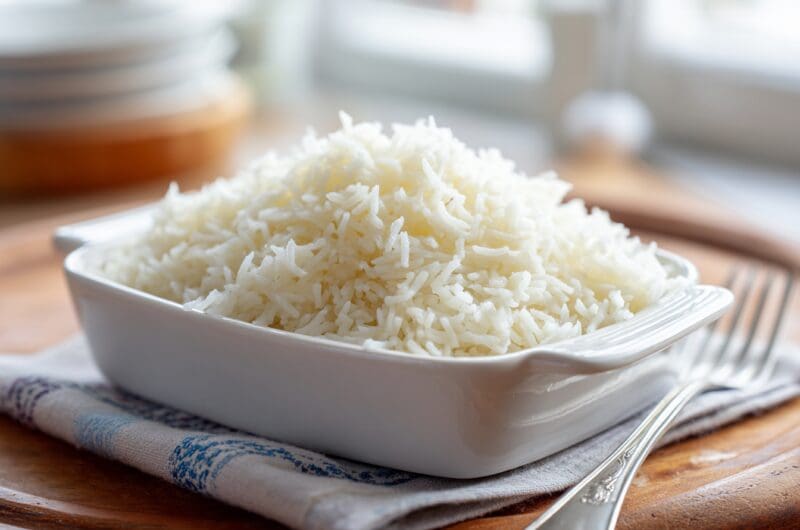
Perfect Restaurant-Style Basmati Rice
Course: Side DishCuisine: Indian4
servings10
minutes45
minutes220
kcalThis foolproof method produces fluffy, flavorful basmati rice that rivals any restaurant, using simple techniques and a secret ingredient that makes all the difference.
Ingredients
2 cups high-quality basmati rice
2½ cups water
2 tablespoons butter
1 teaspoon white vinegar
1 teaspoon salt
Directions
- Place the basmati rice in a large bowl and cover it with cold water. Swish the rice around with your hand to release the excess starch, then carefully pour off the cloudy water. Repeat this rinsing process three to five times until the water runs mostly clear instead of milky white, which should take about three minutes total.
- Preheat your oven to 375°F. In a 9×13 inch baking dish or any oven-safe dish with a lid, combine the rinsed and drained rice with the water, butter, vinegar, and salt. Stir everything together briefly to distribute the ingredients evenly throughout the dish.
- Cover the baking dish tightly with aluminum foil, making sure it’s completely sealed so no steam escapes during cooking. Place the covered dish in the preheated oven and bake for 40 to 45 minutes without removing the foil or checking on it during this time.
- After the cooking time is complete, remove the baking dish from the oven but keep the foil cover on. Let the rice rest undisturbed for 5 to 10 minutes, which allows the steam to continue cooking the rice gently and helps it firm up to the perfect texture.
- Remove the foil and fluff the rice gently with a fork, using a lifting and separating motion rather than stirring. This releases excess steam and separates the grains so they don’t clump together. Serve immediately while hot, or keep covered until ready to serve.
Notes
- For stovetop cooking, bring the rice mixture to a boil in a pot, then reduce heat to low, cover tightly, and simmer for 15 minutes followed by a 5-minute rest.
- Jasmine rice works well with this method too, but use exactly 2 cups of water instead of 2½ cups since jasmine rice needs slightly less liquid.
- For extra richness, substitute ghee for the butter, especially when serving with Indian dishes.
- Leftover rice can be stored in an airtight container in the refrigerator for up to 5 days and makes excellent fried rice.
- The vinegar won’t make your rice taste sour – the small amount just helps prevent mushiness without adding any noticeable tang.
Frequently asked questions
Q: Can I use a rice cooker instead of the oven method?
A: Absolutely. Rice cookers are great for making restaurant-quality rice because they control temperature perfectly and keep rice warm after cooking. Just add your rinsed rice, water, butter, salt, and vinegar to the rice cooker, press start, and let it do its thing. The ratio of rice to water stays the same.
Q: Why does my rice always turn out mushy even when I follow the directions?
A: The most common causes are not rinsing the rice thoroughly enough, using too much water, or removing the lid during cooking which releases steam. Make sure you’re rinsing until the water runs clear and measuring your water accurately. Also, resist the urge to peek while the rice cooks.
Q: Does the quality of rice really make that big of a difference?
A: Yes, it really does. Higher-grade rice has fewer broken grains, more consistent starch levels, and better aroma. The difference between cheap grocery store rice and quality basmati from an Asian market is noticeable in both texture and taste. It’s worth spending a bit more for rice you’ll actually enjoy eating.
Q: Can I make this rice ahead of time and reheat it?
A: You can, though freshly made rice always tastes best. To reheat rice, sprinkle it with a tablespoon or two of water, cover it, and microwave it in 30-second intervals until hot. The water creates steam that helps refresh the rice. You can also reheat it covered in a low oven or in a steamer basket.

