

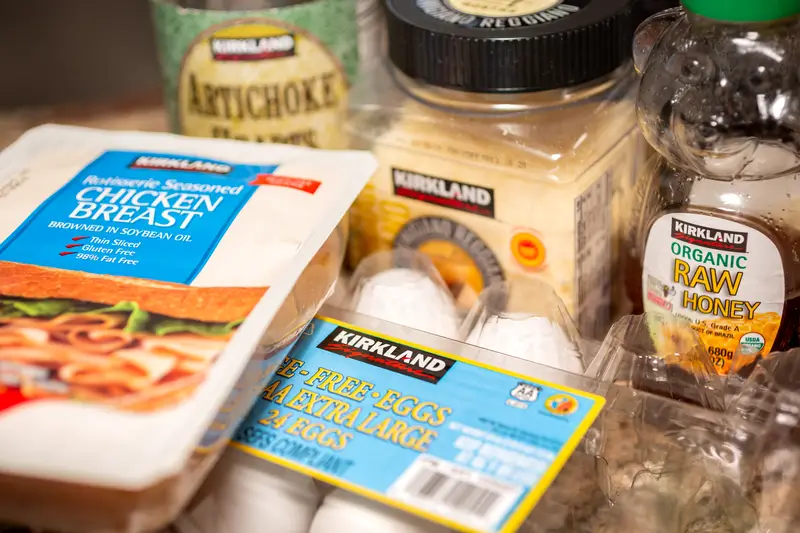
Walk into any Costco and you’ll notice something pretty interesting. Those Kirkland Signature products are sitting right next to national brands, but they’re usually way cheaper. Like, significantly cheaper. And honestly, after trying these products myself, I’ve noticed the quality doesn’t really suffer. But how does Costco pull this off? The answer involves some smart business moves that basically let them keep prices low without cutting corners.
They don’t waste money on marketing campaigns
Here’s the thing about national brands – they spend millions on advertising. Those Super Bowl commercials and billboard campaigns aren’t cheap. But Kirkland doesn’t need any of that. I mean, the products are already on Costco’s shelves, so they don’t need to convince retailers to stock them. And members who shop at Costco are basically already there, walking through the aisles.
Those free samples do more marketing than any TV ad could. Plus, word-of-mouth spreads pretty fast when someone finds a product they love. The packaging is super basic too – just simple labels with minimal design. No fancy graphics or expensive containers. All those savings from skipping traditional marketing get passed directly to customers at checkout.
National brand manufacturers actually make Kirkland products
This one surprised me when I first learned about it. Costco partners with the same manufacturers that produce premium national brands. Starbucks roasts their coffee. Some people think Grey Goose makes their vodka. Duracell supposedly produces their batteries. It’s basically the same stuff, just with different packaging.
Why would these big companies agree to this? Well, Costco’s massive member base guarantees sales volume. And manufacturers can use their existing production lines instead of building new facilities. It’s a win-win situation, honestly. The quality standards remain high because these producers already know what they’re doing. They’ve been making premium products for years.
Bulk buying gives them serious negotiating power
Costco doesn’t mess around with small orders. They buy products by the truckload. When you’re ordering that much inventory at once, suppliers are pretty willing to lower their prices. It’s just basic economics – higher volume means lower cost per unit. And those savings get passed down to members.
The last time I shopped there, I noticed they source locally when possible too. Costco Canada gets honey from Canadian beekeepers. The U.S. stores work with American suppliers. This cuts down on shipping costs and import fees. Less transportation overhead means they can keep prices down even further. Does anyone actually realize how much shipping adds to product costs?
Their markup policy is kind of insane
Most grocery stores add a 20-25% markup to products. Some go even higher on their store brands since those cost less to source. But Costco caps Kirkland markups at just 15%. That’s it. For other brands, they only go up to 14%. I mean, that’s a pretty thin margin when you think about all their operating costs.
Why would they accept such low profits? Because products move faster at lower prices. Faster turnover means fresher inventory and lower storage costs. Plus, Kirkland sales hit $86 billion in 2024. That’s more than Kraft-Heinz and Procter & Gamble. So even with slim margins, the volume totally makes up for it. At least that’s the strategy they’re betting on.
Membership fees cover the difference
Here’s something interesting – Costco makes more from membership fees than actual product sales sometimes. In 2024, membership fees brought in $4.8 billion. That was more than half their operating income. Product sales revenue was way higher overall, but after expenses, the profit margin was super thin.
This setup lets them keep product prices low without worrying as much about profit per item. They’re basically making their money from annual memberships instead. And members feel like they need to shop more to justify that $65 to $130 annual fee. It’s a cycle that works pretty well for everyone involved. Those famous rotisserie chickens that lose money? They can afford it because membership revenue cushions the loss.
Limited selection makes everything more efficient
Costco only stocks about 4,000 different products. Walmart carries over 100,000. That’s a massive difference. But having fewer options actually helps keep costs down. Less variety means simpler inventory management. Employees don’t need to track as many items or worry about products sitting on shelves unsold.
Every time I’ve shopped there, I notice they usually have just two options – Kirkland and one national brand. That’s basically it. Some shoppers might want more choices, but this strategy reduces waste and speeds up restocking. Products at eye level sell faster too, and Kirkland always gets that premium shelf space. Fewer SKUs mean less labor costs, and those savings show up in the prices.
Supply chain efficiency cuts costs significantly
The way Costco handles logistics is pretty smart. Products arrive on pallets that go straight to the sales floor. No repacking or sorting into smaller quantities. Forklift operators just drop the pallets, employees rip off the shrink wrap, and it’s ready to sell. How much simpler can you get?
This “no touching” policy saves tons of labor hours. And they work with suppliers to make sure everything’s pre-wrapped and ready before it even ships. Products move from manufacturer to regional depot to store without sitting in warehouses for months. Less storage time means less spoilage and waste. It’s basically a streamlined system that eliminates unnecessary steps. After seeing how other retailers handle distribution, Costco’s approach seems way more efficient.
Quality control keeps customers coming back
Costco doesn’t just slap their name on any product. Their buyers spend time finding opportunities where national brands might be overcharging. If manufacturing costs stay flat but prices go up, that’s when Kirkland steps in. They work with suppliers to match or beat the quality of premium brands.
The CEO personally approves every new Kirkland product. Not every idea makes it through either. They’ve passed on items like razors and light beer because they couldn’t meet quality standards. I mean, that kind of selectivity builds trust with members. People know if it’s got the Kirkland label, it’s probably going to be good. That reputation matters more than having a huge product line.
Strong supplier relationships create better deals
Costco’s buyers maintain long-term partnerships with manufacturers. These aren’t just transactional relationships – they’re collaborative. Take Kimberly-Clark, which makes both Kirkland diapers and Huggies for Costco. The manufacturer wins no matter which brand customers choose. And Costco gets a reliable supplier with proven quality.
These partnerships work because both sides benefit. Manufacturers get guaranteed high-volume sales and access to Costco’s massive customer base. Costco gets better pricing and consistent quality. Some products sell so fast that suppliers can focus on volume over margins. It’s pretty much a perfect arrangement for keeping prices low while maintaining standards. Though they do need to keep those relationships strong – losing a key supplier could cause problems.

