

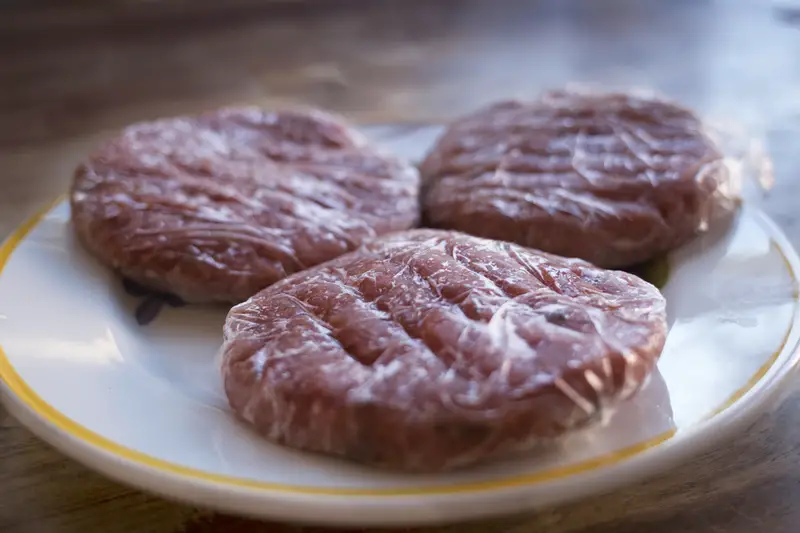
Most people toss ground beef straight into the freezer without a second thought, but this simple mistake can turn your carefully budgeted meat into a freezer-burned mess. Ground beef is one of the most versatile proteins in American kitchens, yet most home cooks are doing it completely wrong when it comes to preservation. The difference between properly frozen ground beef and the sad, gray chunks lurking in the back of your freezer comes down to just a few smart steps that take less than 10 minutes.
Remove the original store packaging immediately
That styrofoam tray and plastic wrap from the grocery store might look secure, but it’s actually your ground beef’s worst enemy. Store packaging is designed for short-term refrigerator storage, not long-term freezing. The thin plastic wrap allows air to seep in, which leads to freezer burn within just a few weeks. Plus, those foam trays take up unnecessary space in your freezer, making it harder to organize efficiently.
The moment you get home from grocery shopping, transfer that ground beef to proper freezer storage. Freezer bags work much better than the original packaging because you can remove excess air and shape the meat for faster thawing. This simple switch can extend your ground beef’s freezer life from a few weeks to several months while maintaining quality and taste.
Divide into meal-sized portions before freezing
Nothing’s more frustrating than needing half a pound of ground beef for tacos and having to thaw a massive three-pound chunk. Most recipes call for specific amounts, usually one-half pound to one pound, so dividing your bulk purchase into recipe-ready portions saves time and prevents waste. When you portion before freezing, you only thaw what you actually need, which means no leftover cooked meat sitting in your fridge going bad.
Use a kitchen scale if you have one, but eyeballing works fine too. A standard pound of ground beef fits perfectly in a quart-sized freezer bag, while half-pound portions work well in smaller bags. Think about your family’s eating habits and portion accordingly. If you regularly make large batches of chili or soup, maybe freeze some in two-pound portions alongside your standard single-pound packages for maximum flexibility.
Flatten the meat to speed up freezing and thawing
Here’s a game-changing trick that most people never think about: flatten your ground beef before freezing it. Once you’ve got the meat in a freezer bag, use a rolling pin to gently press it down to about half an inch thick. This technique isn’t just about saving freezer space, though that’s definitely a bonus. Flat packages freeze faster, which means smaller ice crystals and better texture when you eventually cook the meat.
The real magic happens during thawing. Flattened ground beef can thaw in the refrigerator in just one to two hours instead of the eight hours or more it takes for thick chunks. When you’re in a pinch, you can even run cold water over the flat package for super-quick thawing. Just don’t roll the pin back and forth like you’re making cookies – you want to maintain the ground texture, not turn it into paste.
Push out every bit of air from freezer bags
Air is frozen meat’s biggest enemy, and most people don’t realize how much air stays trapped in their freezer bags. Even a small amount of air can cause freezer burn, which makes your ground beef taste like cardboard and gives it an unappetizing gray color. The key is getting as much air out as possible before sealing the bag. Press from the bottom of the bag toward the opening, squeezing out air as you go.
For even better results, try the water displacement method: seal the bag almost completely, leaving just a small corner open, then slowly lower it into a bowl of water. The water pressure pushes out the remaining air, and you can seal that last corner while the bag is still submerged. If you’re serious about freezing meat regularly, a vacuum sealer is worth the investment and will keep your ground beef fresh for months longer than regular freezer bags.
Label everything with dates and contents
You might think you’ll remember what’s in that freezer bag, but three months later, everything looks the same. Proper labeling prevents the mystery meat syndrome that plagues most home freezers. Use a permanent marker to write the contents, weight, and date on every package. Include the type of ground meat too – ground turkey and ground beef can look identical when frozen, and accidentally using the wrong one can mess up your entire recipe.
Write directly on the freezer bag or use freezer labels that won’t peel off in cold temperatures. Regular masking tape falls off in the freezer, leaving you right back where you started. Dating your packages helps you use older meat first, following the “first in, first out” rule that prevents waste. Ground beef stays good in the freezer for three to four months, so you’ll definitely need those dates to keep track.
Consider browning the meat before freezing
This step sounds crazy at first, but cooking ground beef before freezing can actually save tons of time on busy weeknights. When you brown several pounds at once, you’re essentially doing meal prep that lasts for months. The cooked meat takes up less freezer space, thaws faster, and you can throw it directly into sauces, soups, or casseroles without any additional browning step.
Pre-browning ground beef works especially well when you buy in bulk or find a great sale. Cook it without seasonings so it works in any recipe, drain the fat, let it cool completely, then portion into freezer bags. This method is perfect for quick taco nights, spaghetti sauce, or throwing into the slow cooker for chili. Just remember that cooked ground beef has a slightly shorter freezer life than raw – about three months instead of four.
Freeze packages flat on a baking sheet first
Here’s a professional trick that makes a huge difference: lay your packaged ground beef flat on a baking sheet before putting it in the freezer. This ensures the packages freeze flat and stackable instead of ending up in weird shapes that waste freezer space. Once the packages are completely frozen solid, usually after a few hours, you can remove the baking sheet and stack or store the packages however works best in your freezer.
This technique also prevents packages from freezing together if they happen to touch, which can be a real pain when you only need one package. The flat surface of the baking sheet helps the meat freeze more evenly and quickly. If your freezer is packed, clear some space on one shelf temporarily – it’s worth the effort for properly shaped packages that stack neatly and thaw uniformly.
Keep your freezer at the right temperature
Most people assume their freezer is cold enough, but many home freezers run warmer than they should. The ideal freezer temperature is 0°F or below – any warmer and your ground beef won’t stay fresh as long. You can buy an inexpensive freezer thermometer to check, and many people are surprised to find their freezer is running at 10°F or higher, especially if it’s an older model or gets opened frequently.
Temperature fluctuations are just as bad as running too warm. Every time your freezer goes through a defrost cycle or gets left open too long, your ground beef suffers. Consistent temperature is key to preventing ice crystals from forming and melting repeatedly, which damages the meat’s texture. If your freezer struggles to maintain temperature, avoid putting too many warm items in at once, and make sure the vents aren’t blocked by packages.
Plan your thawing method before you need the meat
The worst time to figure out how to thaw ground beef is when you’re already hungry and ready to start cooking. Different thawing methods work better for different situations, and knowing your options prevents dinner disasters. Refrigerator thawing is the safest method and works great for flat packages – they’ll be ready in just a few hours. Cold water thawing works when you’re in a hurry, but requires changing the water every 30 minutes.
Microwave thawing is the fastest option, but it can start cooking parts of the meat unevenly, so you need to use it immediately after thawing. Never thaw ground beef on the counter at room temperature – it’s a food safety risk that’s not worth taking. Proper thawing maintains both safety and quality, so plan ahead whenever possible. Keep a mental note of what’s in your freezer so you can start thawing before you actually need it.
These simple steps transform ground beef from a freezer liability into a reliable meal solution that’s always ready when you need it. Taking just a few extra minutes during the initial prep saves hours of frustration later and ensures your frozen ground beef tastes just as good as fresh. Your future self will thank you when dinner comes together in minutes instead of requiring a last-minute trip to the store.

